
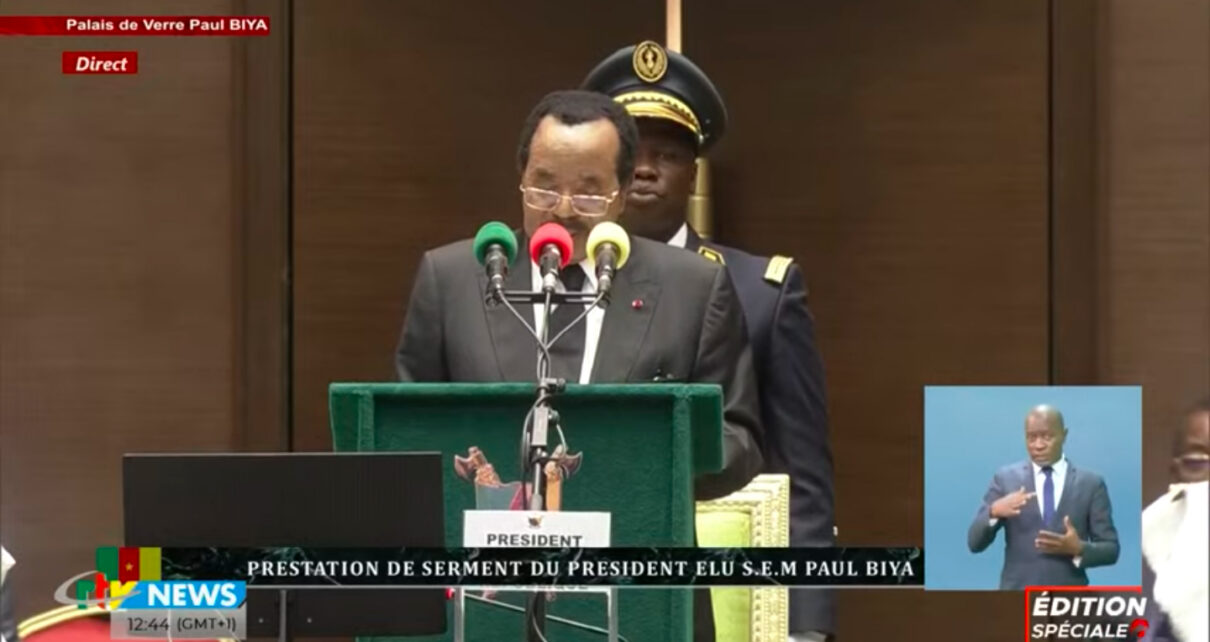
urgent call to convene Cameroon’s top judicial body
The political landscape shifts as judicial independence faces critical tests
Judicial paralysis grips Cameroon as top magistrate body remains dormant
In a political editorial aired Monday on Radio Tiémeni Siantou (90.5 FM in Yaoundé and Bafang), journalist Éric Boniface Tchouakeu underscores the urgency of convening the Supreme Council of the Judiciary following recent presidential appointments.
On June 2, 2026, President Paul Biya issued a decree renewing ten of the fourteen members of the Supreme Council of the Judiciary—whose mandates had expired a year earlier—for another five-year term. This governing body has not convened since August 2020, marking nearly six years of inactivity.
Human rights lawyer Me Félix Nkongo Agbor Balla condemns this institutional failure, warning of severe repercussions on the rule of law, judicial independence, and public trust in the legal system. The Supreme Council of the Judiciary holds constitutional authority over judicial appointments, disciplinary actions, ethical oversight, and career progression of magistrates. “Its prolonged dormancy has crippled these essential functions and significantly weakened the judiciary,” he argues in a widely circulated January 2026 opinion piece.
One of the most alarming consequences, according to Me Agbor Balla, is the stalled integration of magistrates trained at the National School of Administration and Magistracy (ENAM) over the past six years. “These graduates have not been formally inducted into the judiciary, preventing them from taking the oath of office or assuming judicial roles. This unprecedented gap has created a dangerous void in courts nationwide,” he explains.
The resulting judicial shortage has led to overwhelming caseloads, prolonged pretrial detentions, and systemic delays in justice delivery. “Citizens are denied timely access to legal recourse as vacancies from retirements, deaths, or resignations remain unfilled,” he notes. In some administrative jurisdictions, judges have even been appointed without the Council’s mandatory prior approval, raising serious legal validity concerns.
Me Agbor Balla further highlights that disciplinary proceedings are at a standstill, promotions are frozen, and professional misconduct goes unchecked—creating an environment where integrity is discouraged and corruption thrives.
The legal framework mandates that the Supreme Council of the Judiciary meet twice annually. With its prolonged absence now undeniable, the call for its immediate convening is not just urgent—it is a constitutional necessity.

Related Articles

Comments