Strengthening bonds: the evolving strategic alliance between Morocco and the United States
The relationship between Morocco and the United States has deepened significantly in recent years, driven by shared geopolitical ambitions and mutual strategic interests. From military cooperation to diplomatic breakthroughs, this partnership continues to reshape the North African landscape and redefine transatlantic relations.
Diplomatic milestones that redefined ties
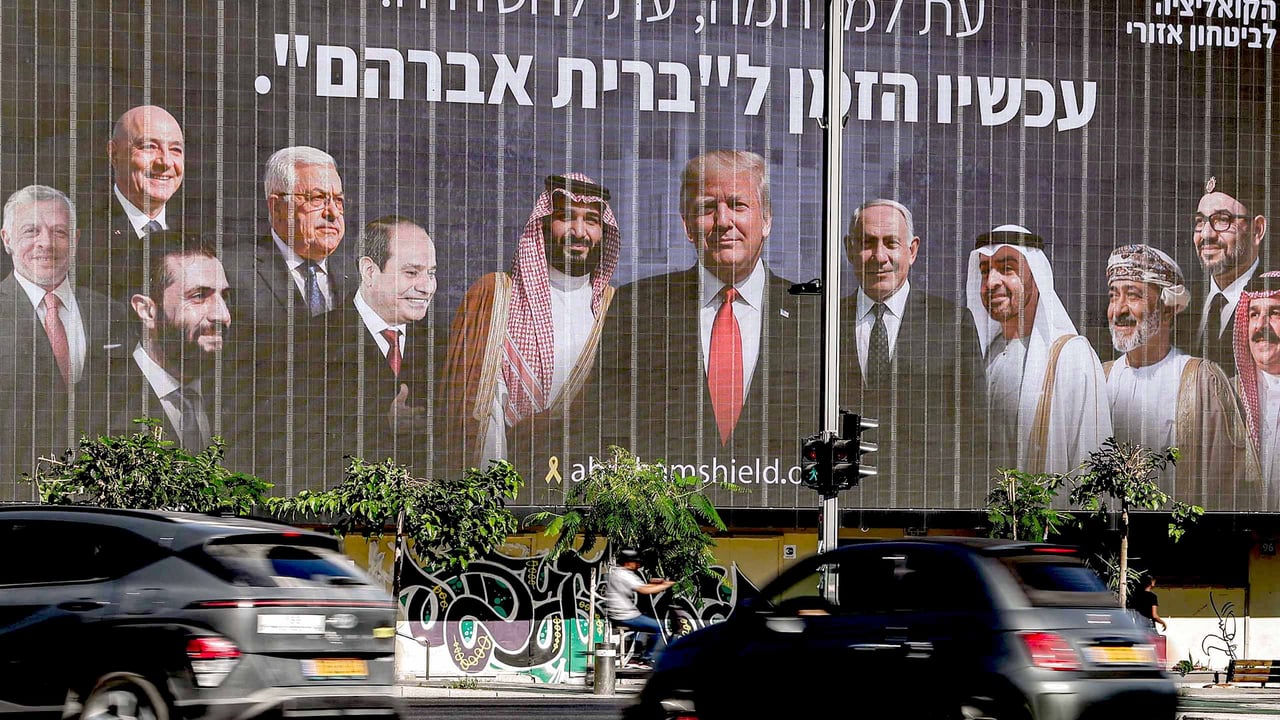
The normalization of relations between Morocco and Israel, facilitated by the United States, marked a turning point in the region. This historic agreement, brokered under U.S. leadership, opened new avenues for cooperation while reinforcing Morocco’s regional standing. The subsequent recognition of Morocco’s sovereignty over Western Sahara by Washington further cemented this alliance, positioning Rabat as a key U.S. partner in North Africa.
The creation of the U.S.-led Council for Peace and Stability saw Morocco join as a founding member, signaling a strong commitment to collaborative security initiatives. This move underscored the mutual trust between the two nations and their shared vision for regional stability.
Military and security cooperation on the rise
Defense ties have intensified, with joint military exercises, intelligence sharing, and arms deals becoming cornerstones of the partnership. Morocco’s strategic location at the crossroads of Africa and Europe makes it an invaluable ally for the United States in counterterrorism efforts and regional security operations.
Bilateral defense agreements have expanded, including provisions for joint training programs and the modernization of Morocco’s military infrastructure. These efforts align with broader U.S. objectives to strengthen security frameworks across the Sahel and beyond.
Economic and technological collaborations growing
Trade and investment between the two nations have flourished, with Morocco emerging as a gateway for U.S. businesses seeking access to African markets. Key sectors such as renewable energy, aerospace, and technology have seen increased collaboration, driving economic growth in both countries.
The U.S.-Morocco Free Trade Agreement, in effect since 2006, has further facilitated commerce, reducing tariffs and fostering a business-friendly environment. This economic integration has created jobs and stimulated innovation on both sides of the Atlantic.
Looking ahead: what’s next for Morocco and the U.S.?
As geopolitical dynamics shift, the Morocco-U.S. alliance remains a cornerstone of stability in the region. Future collaborations may include enhanced cybersecurity initiatives, deeper energy partnerships, and expanded cultural exchanges. The partnership’s resilience suggests it will continue to evolve in response to emerging challenges and opportunities.
For both nations, this strategic relationship is not just about short-term gains but about building a lasting framework for peace, security, and prosperity in North Africa and beyond.