The International Rescue Committee (IRC) is raising a significant alert regarding the rapidly worsening humanitarian situation in Mali. Persistent insecurity is severely disrupting essential communication routes, pushing millions of already vulnerable individuals into deeper distress.
The IRC has observed a troubling surge in armed conflicts across Mali since the end of April. This humanitarian organization notes that coordinated attacks and increasing instability along key roadways are significantly impeding the movement of both people and crucial supplies, including fuel and vital food provisions destined for the capital, Bamako.
This decline in security conditions intensifies the precarious state of communities already grappling with an ongoing humanitarian crisis. Obtaining fundamental services is becoming progressively challenging, while the risks confronting vulnerable families are steadily escalating.
«Anxiety and uncertainty are growing»
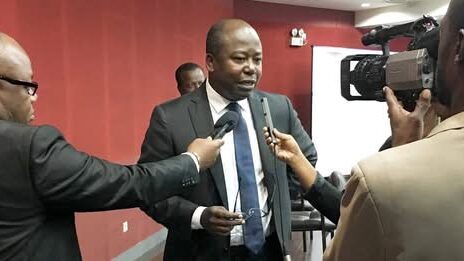
According to Matias Meier, the IRC’s Director of Operations in Mali, the overall situation has markedly worsened over the past few weeks.
He states, «Our teams have witnessed increasing anxiety and uncertainty among families who have already been enduring a profound crisis for years, particularly over the last fourteen days.»
Meier highlights that insecurity and transport disruptions now make access to healthcare, potable water, and adequate food supply exceptionally difficult across numerous regions of the country. Despite this strained environment, he commends local communities and humanitarian aid workers for their «remarkable resilience.»
The IRC affirms its continued presence on the ground, maintaining its commitment to local partners and authorities, constantly adapting its response to meet the urgent needs of the affected populations.
A humanitarian crisis often overlooked
Mali remains one of the world’s least reported humanitarian situations. Projections indicate that 5.1 million individuals will require humanitarian assistance by 2026, a figure that includes more than 415,000 internally displaced persons.
Throughout Mali, residents confront a confluence of aggravating factors: armed conflicts, adverse climate events, persistent food insecurity, and restricted access to fundamental infrastructure. Women, children, the elderly, and individuals with disabilities are among the most vulnerable, frequently facing elevated protection risks and diminished access to essential health services, safe water, and sustainable livelihoods.
Tailored interventions for a precarious context
Given the rapidly evolving circumstances, the IRC conducts ongoing assessments to ensure the continuity and safety of its programs. Teams operating in impacted areas continue to spearhead humanitarian operations, implementing enhanced security measures wherever deemed essential.
Furthermore, the organization is developing flexible and remote service delivery mechanisms to guarantee the ongoing provision of vital aid in the regions most susceptible to insecurity.
A long-standing commitment to humanitarian aid
Operating in Mali since 2012, the International Rescue Committee actively supports communities impacted by conflicts and forced displacement, particularly in areas where essential services are either absent or severely disrupted.
The organization implements programs across several critical sectors, including health, nutrition, protection, access to water and sanitation, and economic recovery initiatives. Despite significant access challenges, its teams persist in their work alongside local communities in some of the country’s most isolated regions.
Established in 1933, the IRC now operates in over 50 countries and 28 U.S. cities, with a core mission to assist populations affected by humanitarian crises in rebuilding their lives and achieving dignified living conditions.