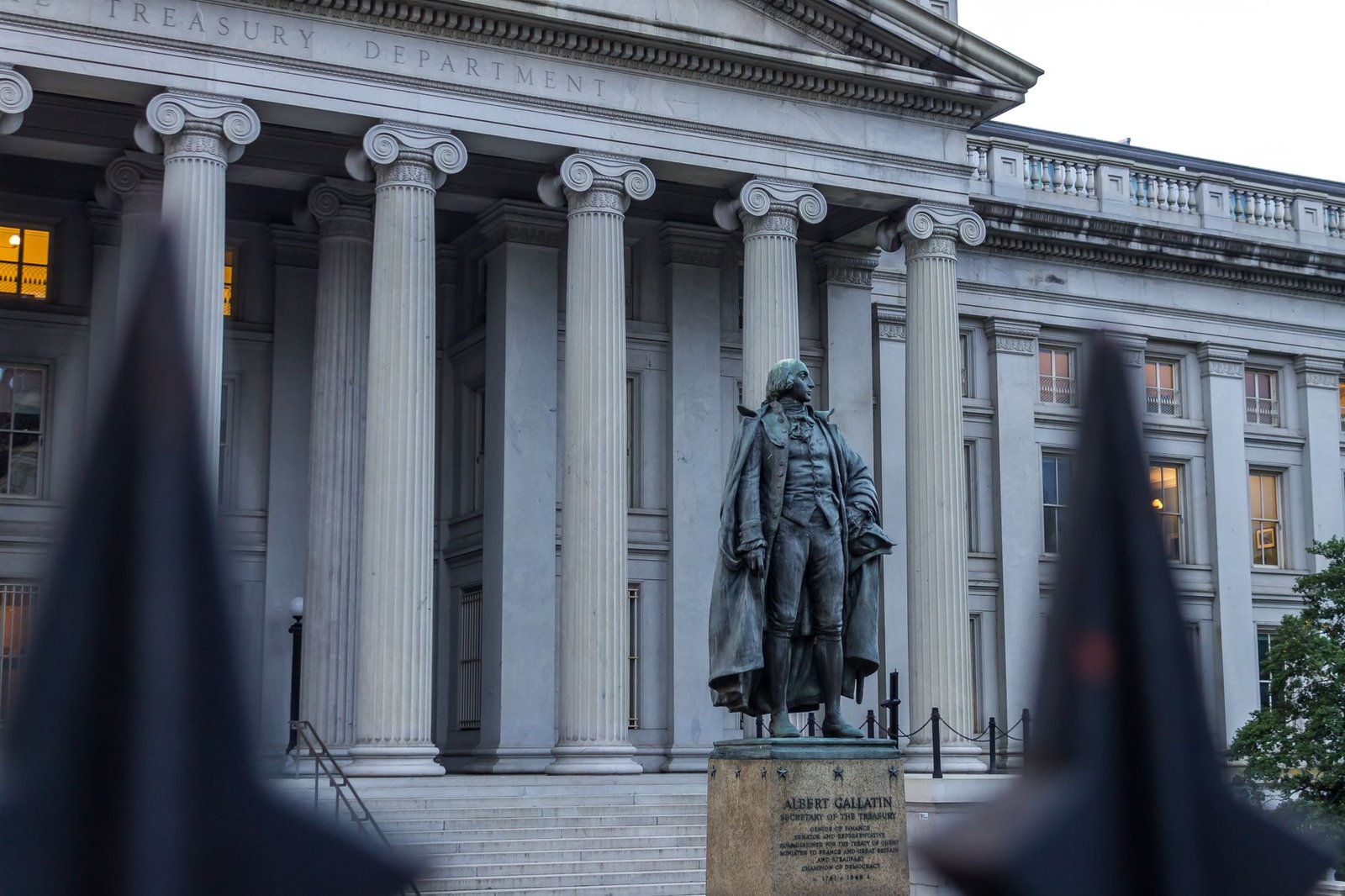
The United States is tightening its grip on the conflict in eastern Democratic Republic of the Congo (DRC) by imposing fresh sanctions targeting two influential figures allegedly driving the ongoing violence in North and South Kivu provinces. The U.S. Department of the Treasury unveiled these measures, which focus on a senior intelligence officer affiliated with the Alliance Fleuve Congo-Movement of March 23 (AFC/M23) and a commander from the Rwanda-backed Democratic Forces for the Liberation of Rwanda (FDLR). This latest action builds on earlier sanctions announced in early March, which included designations against the Rwanda Defence Forces (RDF) and four high-ranking military officials for their alleged support of the M23 rebel group.
targeting the command structures of armed groups
What sets these sanctions apart is their precision. Rather than targeting entire organizations or state institutions, Washington is now zeroing in on specific individuals embedded within the operational hierarchies of the AFC/M23 and FDLR. The designated AFC/M23 intelligence leader is accused by U.S. authorities of playing a pivotal role in intelligence gathering and operational planning across North Kivu. Meanwhile, the FDLR commander listed is a key figure within an organization long recognized as a terrorist entity by international courts, tracing its origins to Hutu extremists who fled Rwanda after the 1994 genocide. These figures have served as a pretext for Rwanda’s cross-border military actions in recent years.
By sanctioning one leader from each faction, the U.S. is sending a clear message: it refuses to prioritize blame and is determined to disrupt the financial lifelines of both groups. This dual approach reflects a broader strategy to undermine the command structures that sustain conflict in the region.
a shift in u.s. diplomacy toward the great lakes
These sanctions are part of a broader diplomatic push by the U.S. administration, which has been actively engaging with Kinshasa, Kigali, and regional mediators since the start of the year. The March sanctions against Rwandan military officials marked a significant escalation, as Washington directly named Rwandan generals and implicated the RDF itself in the conflict. The latest measures take this strategy further by targeting mid-level operatives within non-state armed groups, signaling a deeper commitment to addressing the root causes of instability in the Great Lakes region.
On the ground, the M23 maintains control over large swathes of territory in North Kivu, including key cities like Goma and Bukavu, which were seized during early-year offensives. Despite mediation efforts led by Qatar and Angola, a lasting ceasefire remains elusive. While these sanctions alone are unlikely to shift the military balance, they introduce significant obstacles for the designated individuals. Access to international financial systems is now restricted, assets under U.S. jurisdiction are frozen, and their commercial partners risk secondary sanctions.
financial leverage with uncertain impact
The effectiveness of these measures, however, remains a subject of debate. Armed group leaders in eastern DRC often operate outside conventional banking systems, relying instead on parallel financial networks tied to the trade of gold, tin, tantalum, and tungsten. Conflict mineral tracking organizations have long documented how these resources flow through neighboring countries like Rwanda, Uganda, and to a lesser extent, Burundi, to fund groups like the M23 and FDLR.
In practical terms, the primary impact of these sanctions is likely to be political rather than financial. They provide a legal foundation for European partners considering similar actions and weaken attempts by targeted individuals to legitimize their roles or launder funds. The European Union has already followed suit, implementing its own restrictions in March against Congolese and Rwandan figures involved in the conflict. This transatlantic alignment marks a departure from years of relative Western indifference, during which the M23 expanded its influence with minimal consequences.
For the Congolese government led by Félix Tshisekedi, these sanctions represent a modest but tangible diplomatic victory. Since 2022, Kinshasa has pushed for stricter measures against Kigali and its proxies. For Rwanda, which consistently denies direct involvement, the expanded scope of U.S. designations complicates official narratives and undermines lobbying efforts in Washington.