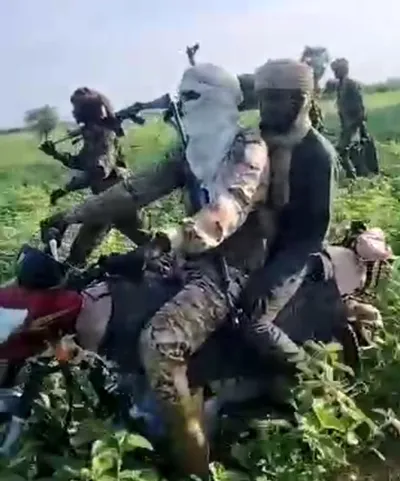
The Wagner Group’s Russian mercenaries are in disarray near Am-Dafock, as Central African rebel forces push forward with a relentless offensive. Reports from the front lines indicate a sharp decline in morale among the foreign fighters, who now face overwhelming pressure from determined rebel factions.
why the sudden collapse of Wagner’s presence?
The strategic blunder stems from a combination of underestimated rebel capabilities and the mercenaries’ reliance on outdated tactics. Unlike their previous engagements, the rebels have adapted, exploiting weaknesses in Wagner’s defensive positions. Local sources confirm that supply lines for the mercenaries have been severed, leaving them isolated and vulnerable to coordinated attacks.
rebel advances and civilian impact
With Wagner’s retreat, rebel forces have gained control of key routes around Am-Dafock, a critical junction near Birao. Civilians in the area are caught in the crossfire, with reports of disrupted aid deliveries and rising displacement. Humanitarian agencies warn of a looming crisis as rebel movements intensify.
what’s next for the mercenary group?
Analysts suggest Wagner’s future in the region hinges on reinforcement and strategic repositioning. However, with rebel factions consolidating their gains, the mercenaries may struggle to regain their foothold. The unfolding situation underscores the growing influence of non-state actors in Central Africa’s security landscape.