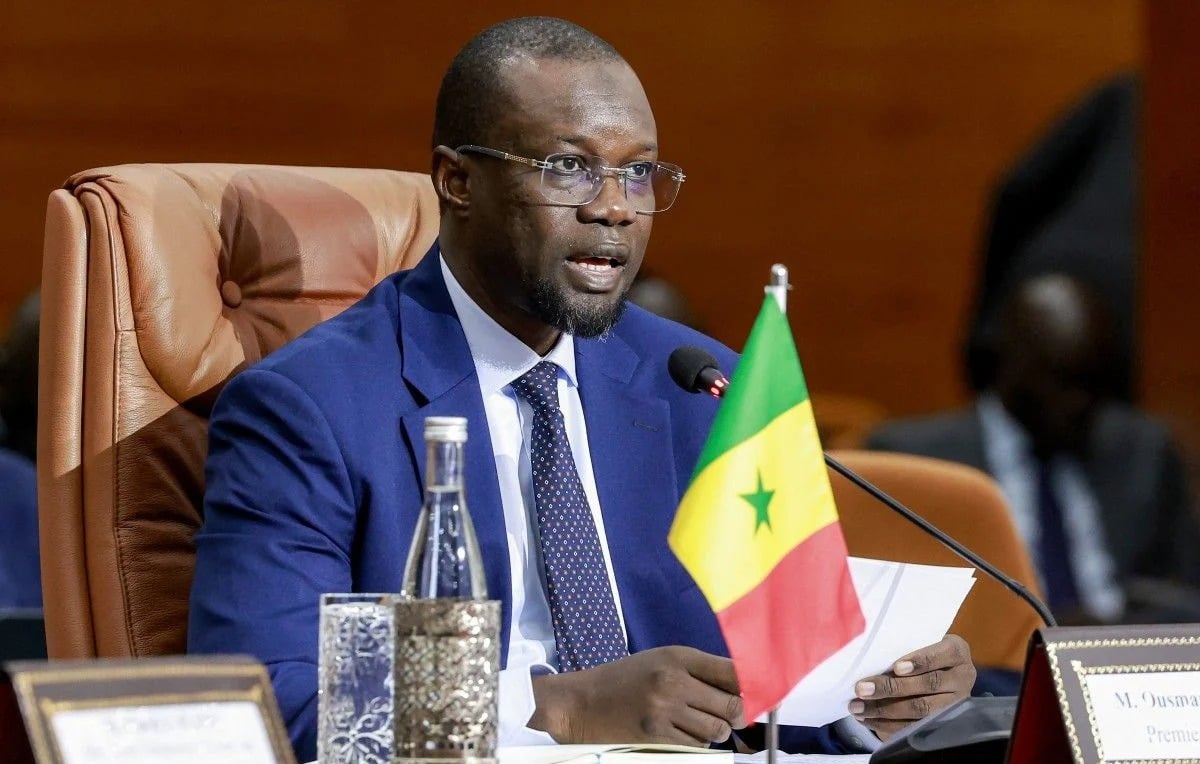
PASTEF-Les Patriotes has officially declined an invitation to join the new government, closing the door on months of talks that ultimately led to a deadlock. The party’s refusal to engage is more than a political statement—it marks a deliberate shift in the balance of power within Senegal’s corridors of authority.
A breakdown in high-stakes negotiations
The talks collapsed after a pivotal meeting between the President and Ousmane Sonko, revealing deep divisions over the structure of governance. While polite nods were exchanged about areas of agreement, it was the unresolved tensions that ultimately dictated the outcome.
The core dispute centered on the distribution of power and the role of the parliamentary majority. By rejecting PASTEF’s final proposals, the head of state pushed the party to draw a definitive line in the sand.
Transparency versus institutional opacity
PASTEF framed its decision with precision. The party emphasized its thorough internal consultations and a commitment to accountability—all while raising a pointed critique of the government’s vague executive framework. In a carefully worded statement, the party declared: “…the executive structure, whose composition remains entirely opaque to us.”
For Sonko and his allies, participation without full clarity on the government’s internal workings would have amounted to signing a blank check. Their refusal to proceed underscores a refusal to accept symbolic roles or ministries stripped of real decision-making authority.
A firm stand on political dignity
The party’s final declaration left no room for ambiguity:
“As a result, PASTEF will not participate in the next government or be represented by any minister.”
This uncompromising stance eliminates any possibility of last-minute defections or backroom compromises. PASTEF is determined to avoid becoming a decorative force—aligned but powerless—within the executive branch.
What’s next for PASTEF?
The decision to stay outside the government is a calculated strategic move. By avoiding the daily burdens and potential backlash of state governance, the party preserves its political capital. But it also gains something more powerful: a stronger voice in the National Assembly.
Freed from the constraints of ministerial responsibilities, PASTEF can now focus on its role as a vigilant watchdog. With its parliamentary legitimacy intact, the party plans to hold the government accountable with unwavering scrutiny, ensuring every policy and decision undergoes rigorous public debate.
Far from signaling weakness, this withdrawal is a display of strength. PASTEF has chosen autonomy over compromise, raising the stakes in Senegal’s political arena and setting the stage for a more confrontational period ahead.