Women’s Leadership in Senegal: Stagnation Despite Legal Progress
Senegal stands as a democratic model in Africa, yet persistent challenges hinder women’s representation in decision-making bodies. Despite constitutional guarantees of gender equality and landmark legislation like the 2010 parity law, recent political developments reveal troubling setbacks.
Declining Female Representation in Public Offices
Data from the latest legislative elections and local governance structures paint a concerning picture:
- 18 female mayors out of 558 communes (approximately 3.2%)
- 3 female departmental council presidents out of 43 departments (about 7%)
- Female representation in the National Assembly dropped from 44.2% to 41% following the 2024 elections
- Only 13% of electoral list leaders were women in the most recent legislative vote
These figures reflect deeper structural issues beyond mere statistics, including cultural resistance, unequal access to political financing, limited media visibility, and systemic barriers to decision-making spaces.
Structural Barriers and Cultural Resistance
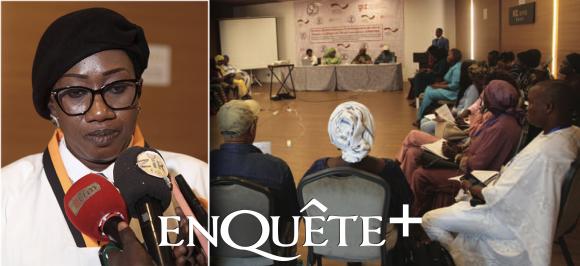
Bator Seck, Senegal’s focal point for the Réseau des femmes leaders pour le développement (RFLD), highlights that while Senegal has made significant legal progress—through its 2001 Constitution and international human rights conventions—the reality remains stark:
“These numbers aren’t just data points—they reveal entrenched obstacles. Women in Senegal lead communities, drive local economies, and champion social causes daily. The question isn’t whether they’re capable of governance, but why political systems continue to restrict their access to leadership.”
The RFLD is addressing these challenges through an Afrofeminist initiative that combines legislative advocacy, community organizing, and capacity-building for women leaders across Francophone West Africa, supported by international cooperation programs.
Empowerment Through Training and Solidarity
The current initiative brings together 30 Senegalese women leaders—including parliamentarians, party heads, local officials, activists, and civil society leaders—representing diverse generations and political backgrounds. Their shared mission is to redefine women’s political participation in Senegal through:
- Shared experiences and collective strategy development
- Strengthening female solidarity to influence public policies
- Reinforcing women’s role in electoral processes
“A democracy cannot be complete when women remain underrepresented in decision-making spaces,” emphasizes Seck. “Senegal’s political future must be built with women, not just for them.”
Personal Development and Professional Readiness
Maman Diouf Fall, representing Senegal’s Ministry of Family and Social Solidarity, underscores additional hurdles:
“Beyond institutional obstacles, many competent women hesitate to pursue leadership due to social pressures, persistent stereotypes, and lack of structured support. Their skills often go untapped because they lack training in leadership, political communication, negotiation, or public speaking.”
She advocates for:
- Expanded training programs in governance and digital tools
- Mentorship networks connecting experienced and emerging leaders
- Economic empowerment initiatives to ensure financial independence
- Targeted capacity-building for women in rural areas
“True inclusive governance requires creating conditions where women can participate fully in public life. This means continuous social transformation, community awareness, and supporting young girls toward decision-making roles.”
The Path Forward: Inclusive Governance
Through partnerships with technical agencies, local governments, and community organizations, Senegal’s Ministry of Family is implementing initiatives to:
- Strengthen women’s resilience through leadership training and psychosocial support
- Promote girls’ education and protect against child marriage
- Combat gender-based violence and advocate for women’s rights
- Build protective environments for women and girls’ development
The collective effort aims to move beyond legal frameworks to create a society where women’s full participation in governance is not just possible—but expected.