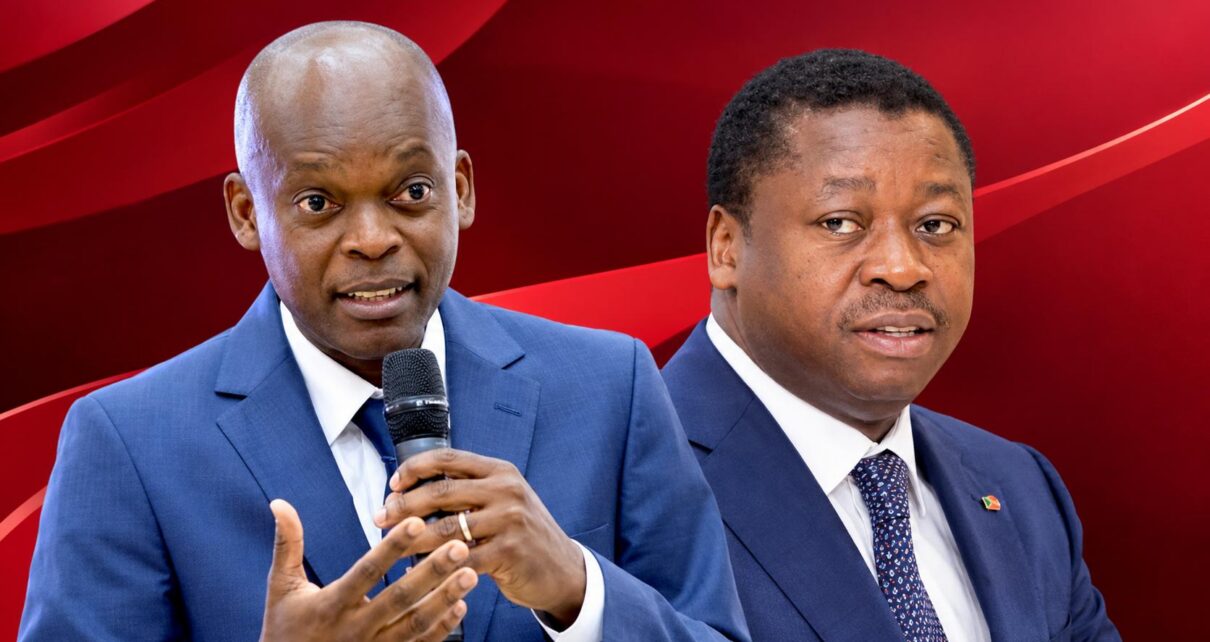
While everyday Togolese citizens struggle against a choking economic crisis and soaring living costs, the government’s lavish diplomatic spending has triggered widespread indignation. Analysis of state sovereign budgets and international influence contracts reveals that the campaign to propose and market the “new map of Africa” at the UN cost Togo’s taxpayers an estimated 2 million US dollars.
For months, the Togolese foreign ministry went all out to champion this cartographic initiative. Yet, beneath the self-congratulatory rhetoric celebrating Togo’s “rising diplomatic influence,” the final ledger shows a massive squandering of public funds for what is ultimately a purely symbolic victory.
Where the money went: lobbying, luxury travel, and public relations
How were these 2 million dollars drained from the state treasury actually spent? Tracking the logistical and diplomatic operations reveals exactly where the funds went:
- Lobbying and international strategy consultancies: To secure a spot for this resolution on the UN General Assembly’s agenda and win backing from Western and Asian governments, Lomé relied on specialized public relations and crisis management firms. Among these intermediaries were Paris-based PR consultancies, often favored by African presidencies, and Washington D.C.-based lobbying firms registered under the Foreign Agents Registration Act (FARA) to connect Togolese diplomats with English-speaking decision-makers. These strategic consulting fees were settled in foreign currencies, totaling hundreds of thousands of dollars.
- Robert Dussey’s high-end travels: Foreign Minister Robert Dussey embarked on numerous first-class journeys and stayed in luxury hotels across New York, Paris, Geneva, and various African capitals to conduct personal lobbying. Chartered flights, generous daily allowances, and lavish delegation representation fees consumed a major portion of the budget.
- Prestigious banquets and hosting: Diplomatic dinners, official gifts, and fully funded accommodation for international delegates and experts during preparatory sessions significantly drove up secondary expenditures to secure favorable votes.
- Media outreach and campaigns: Funding targeted press relations in international media, publishing sponsored opinion pieces, and organizing bespoke academic seminars to build intellectual credibility for the initiative.
A costly pursuit detached from domestic realities
Civil society organizations and economic analysts argue that wasting such vast financial resources is indefensible given the country’s dire internal situation. This 2 million dollars (equivalent to over one billion CFA francs) could have been used to equip under-resourced hospitals in Kara, Dapaong, or Adetikopé, build new school classrooms, or fund social safety nets for highly vulnerable households.
By prioritizing vanity operations and expensive foreign consultancies over the basic needs of its population, the Togolese administration highlights once again the deep divide between its desire for global prestige and the daily hardships of its citizens.