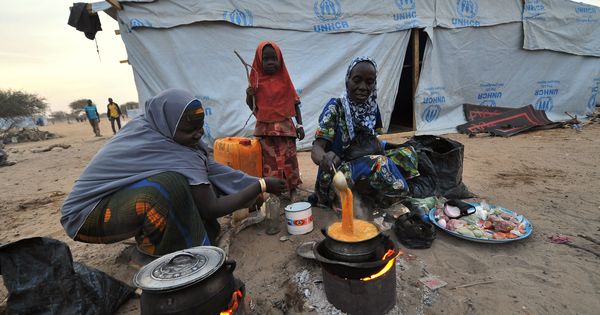
Somalia teeters on the edge of a humanitarian catastrophe
The International Committee of the Red Cross (ICRC) has raised a stark alarm over Somalia’s deepening food crisis. With nearly 6.5 million people already battling severe food insecurity, the nation is grappling with a prolonged drought that is ravaging livelihoods and pushing communities to the brink.
The collapse of pastoralism threatens survival
After two consecutive seasons of failed rains, experts warn of a potential return to the devastating hunger levels seen in 2022. Pastoralism, the backbone of Somalia’s economy and income source for over 60% of the population, is collapsing. Mass livestock losses are stripping families of both food and critical income, forcing thousands to flee toward overcrowded displacement camps.
In Dhusamareb, a 61-year-old livestock herder has lost 90% of his goats and two-thirds of his camels within a year. « I fear the people will suffer the same fate as my animals », he shares. Meanwhile, in the Nugal region, a 19-year-old mother fled after her herd perished, desperate to protect her children’s future.
Mass displacement strains humanitarian aid
Over half a million people were displaced in 2025 alone, driven by both conflict and drought, particularly in the rugged Al-Miskat hills of Bari region in Puntland. As humanitarian funding dwindles, aid organizations are scaling back essential programs for food, clean water, and healthcare—just as needs surge to unprecedented levels.
Since November 2025, the ICRC has assisted more than 5,000 displaced families, including rehabilitating boreholes in Bari and Sanaag, supplying equipment to restore wells, and treating severely malnourished children at the stabilization center in Kismayo. The organization also supports 11 clinics operated by the Somali Red Crescent Society.
A red alert for millions at risk
The ICRC warns: « Without urgent rainfall and a significant boost in humanitarian aid, millions more could plummet deeper into food emergency ». Somalia stands at a critical juncture—every passing day without action escalates the risk of a catastrophic humanitarian disaster.