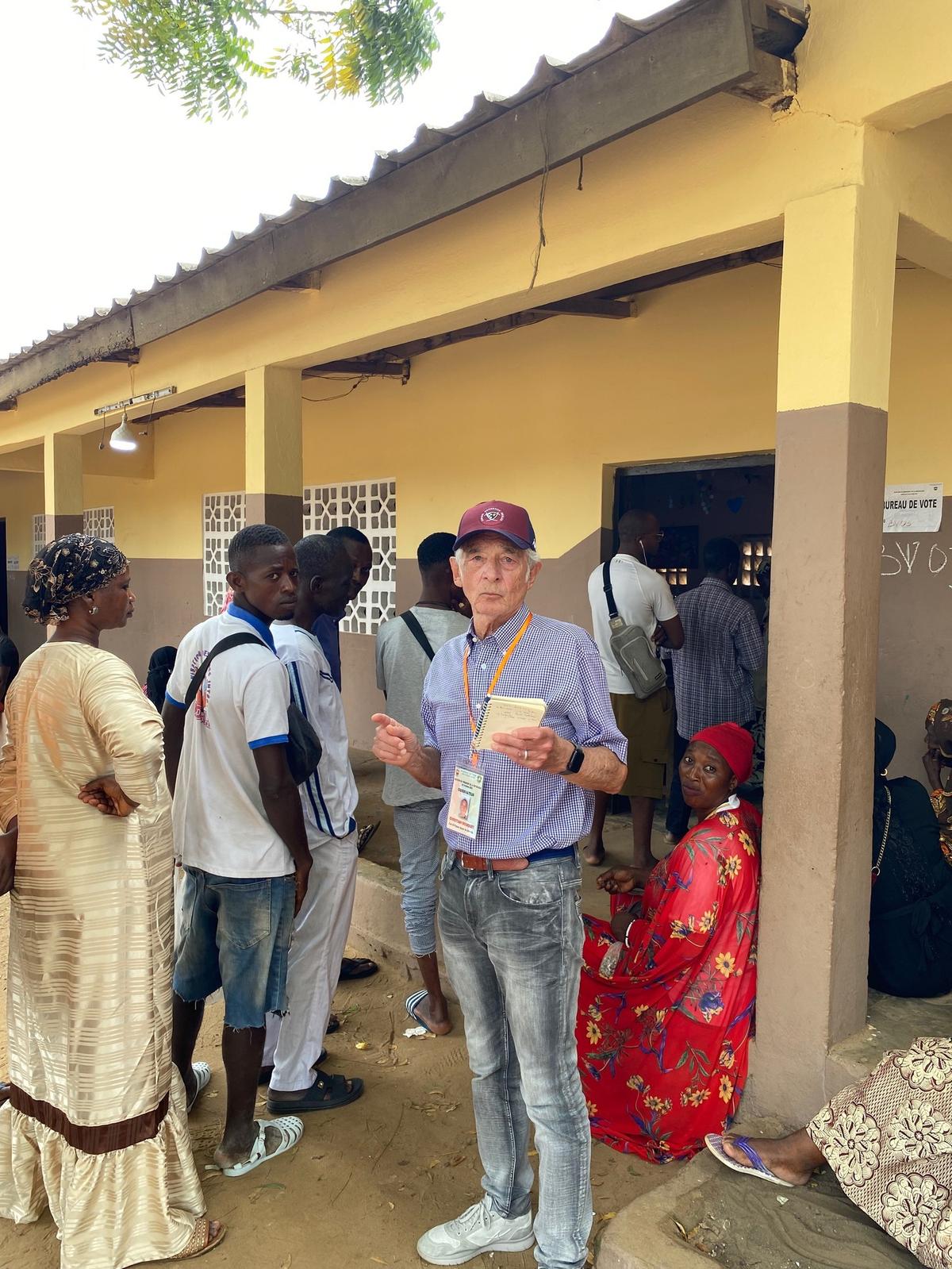
The African continent has witnessed a significant shift in its political landscape since 2020. A wave of nine military takeovers has displaced democratically elected leaders, raising concerns about the future of governance across the region. These developments mark a stark contrast to the democratic promises made in the post-Cold War era, particularly after the influential 1990 speech in La Baule that urged African nations to embrace multi-party systems and free elections.
military interventions and the erosion of democratic norms
In recent years, coups in countries such as Mali, Burkina Faso, and Niger have underscored a growing trend of military-led transitions. These power grabs often follow widespread discontent with civilian governments, perceived as corrupt or ineffective. While some populations initially welcomed these changes, the long-term consequences for democracy remain uncertain. The abrupt removal of elected officials has disrupted constitutional order, leaving many citizens questioning the stability of their nations.
the rise of illiberal trends and anti-Western sentiment
Beyond military interventions, Africa’s political climate is increasingly shaped by a rejection of Western influence. Many nations are aligning more closely with the ‘Global South,’ favoring partnerships that prioritize sovereignty over democratic conditionalities. This shift has led to the emergence of so-called ‘illiberal’ regimes, which often justify their governance models as culturally or historically authentic, even as they suppress dissent and limit political freedoms. The growing skepticism toward Western-style democracy reflects a broader redefinition of governance priorities on the continent.
challenges to democratic resilience
The interplay between military rule and illiberal governance poses a formidable challenge to Africa’s democratic institutions. While some countries continue to hold elections, the credibility of these processes is frequently undermined by irregularities or intimidation. Civil society organizations and opposition groups face increasing restrictions, further eroding the checks and balances essential for healthy democracies. As African nations navigate these complexities, the path to sustainable governance remains fraught with obstacles.