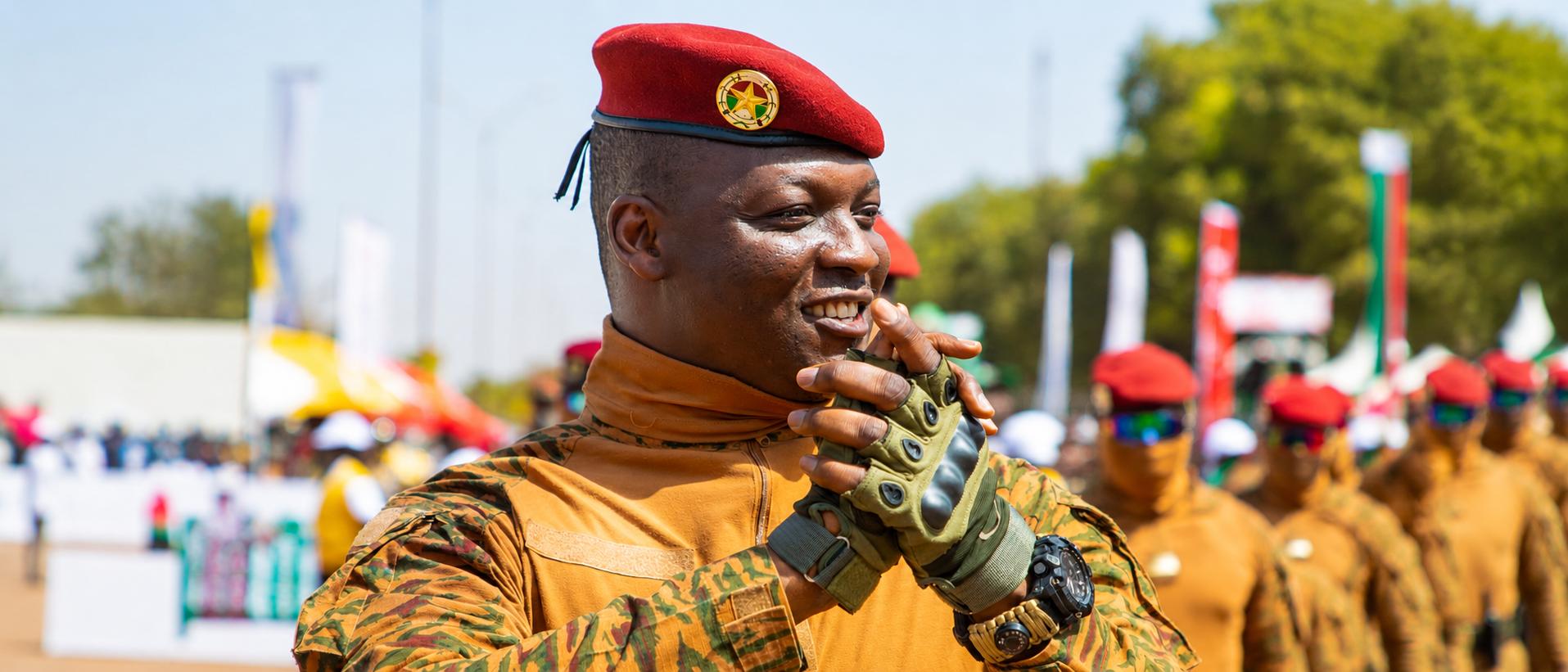
Ouagadougou is abuzz with intense discussions following a controversial legislative move. After abolishing the death penalty in 2018, Burkina Faso’s military regime under Captain Ibrahim Traoré is now reviving capital punishment—and critics warn it’s being used to silence political opposition rather than uphold justice.
The interim legislature’s unanimous decision to reinstate death sentences in the Penal Code sends a clear signal: stability through repression, not reconciliation. While officials claim the reform defends national security, skeptics see a blatant tactic to eliminate rivals, with former interim leader Lieutenant Colonel Paul-Henri Sandaogo Damiba as the most prominent target.
Death penalty reinstated: a calculated strike against Burkina Faso’s ousted leader
Lieutenant Colonel Paul-Henri Sandaogo Damiba now faces charges of high treason and attempts to destabilize the state—crimes punishable by execution. Legal experts highlight the timing’s suspicious nature, suggesting the reform was designed to ensure Damiba’s trial ends in a death sentence. By closing all avenues for clemency, the regime aims to instill fear not only in political opponents but also within disloyal military factions. Once Burkina Faso’s de facto leader, Damiba could become a grim example of the junta’s unrelenting grip on power.
The bitter irony: Burkina Faso’s coup leaders turned justice into a revenge tool
The situation carries a sharp irony. Paul-Henri Sandaogo Damiba, once a coup leader himself, now faces execution at the hands of those who imitated his own methods to seize control. This reversal underscores a disturbing pattern in Burkina Faso’s political turmoil:
- Power games and hypocrisy: In January 2022, Damiba overthrew President Roch Marc Christian Kaboré, framing it as a “national redemption.” Just eight months later, Captain Ibrahim Traoré removed Damiba using nearly identical justifications.
- Revenge disguised as law: Today’s “patriotic acts” can swiftly become “capital crimes,” depending solely on who holds power.
This inconsistency reveals a dangerous cycle: when justice is weaponized to settle political scores, the regime risks fueling a backlash that eventually consumes its own supporters.
Why replacing justice with fear could backfire in Burkina Faso
By reintroducing the death penalty, Ibrahim Traoré’s administration is playing a high-stakes game. Turning the judiciary into an instrument of vengeance—particularly with capital punishment back in place—risks deepening instability rather than restoring order. Burkina Faso’s turbulent history offers a clear lesson: in a world of coups and counter-coups, today’s executioners often become tomorrow’s casualties. Capital punishment isn’t a path to security—it’s a recipe for perpetual unrest.
Burkina Faso’s crossroads: repression or a chance for peace?
With Damiba’s upcoming trial now carrying the threat of execution, Burkina Faso faces a critical choice. Will the nation continue down the road of repression and retribution, or will it seek a path toward healing and long-term stability? One thing is certain: reviving the death penalty isn’t a show of strength—it’s a sign of fear and desperation.
The regime’s strategy is perilous. History often punishes those who wield power recklessly. The pressing question remains: Can Ibrahim Traoré truly bury his rivals for good, or will he become just another figure in Burkina Faso’s endless cycle of coups and betrayals?