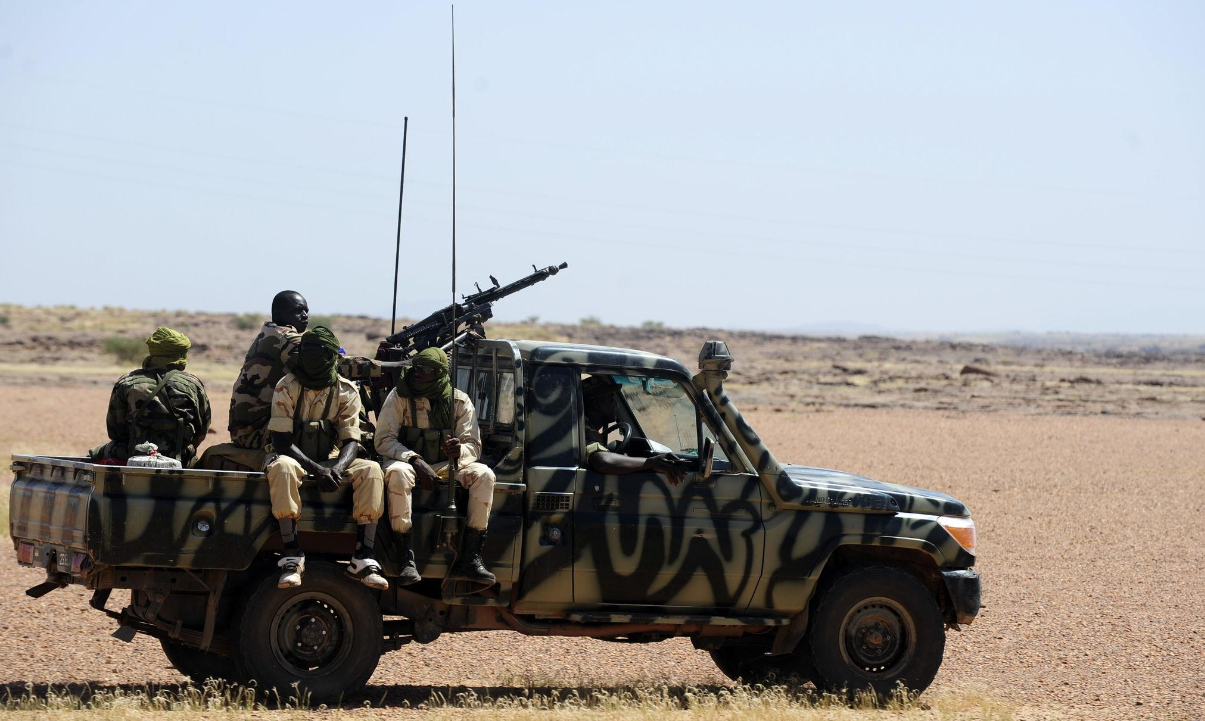
Unanswered questions after a brutal ambush near Agadez
Agadez, October 21, 2026 — A harrowing attack has struck terror into the heart of Niger’s northern transport corridor. Early Tuesday, armed individuals ambushed passenger buses on the Agadez-Arlit highway, some 35 kilometers outside Agadez. While official confirmation is still pending, preliminary reports indicate at least ten civilian deaths alongside one security forces member, with multiple severe injuries. What drove this brutal assault, and why did it unfold with such devastating speed?
Why the Agadez-Arlit route remains a flashpoint for violence
The Agadez-Arlit highway is more than a road — it is a lifeline. It connects communities, carries vital supplies, and underpins economic activity in one of Niger’s most resource-rich regions. The attack targeted an essential transport artery, disrupting not only travel but also the fragile rhythm of daily life. Families awaiting the safe return of loved ones. Miners and traders relying on timely deliveries. And drivers who ferry goods across one of the world’s most demanding landscapes.
When violence erupts here, the ripple effect is immediate. Passenger confidence crumbles. Transport costs rise. And entire communities face isolation. The shock wave from this ambush is still spreading, leaving behind shattered lives and fragile trust in a system struggling to protect its people.
Security at a crossroads: challenges in protecting the desert routes
Securing the vast Sahara is no small feat. The terrain is unforgiving, distances are immense, and roads stretch thinly across remote dunes. Ensuring safe passage is a monumental challenge — one that requires more than just patrols. It demands coordination, intelligence, and trust between communities, security forces, and local leaders.
Reports suggest that defense and security forces were present in one of the buses during the attack. The details remain unclear: How did the engagement unfold? Were sufficient defenses in place? How were civilians protected in the chaos? Until these questions are answered, the event exposes not only a security failure but a breakdown in prevention and response.
What comes next for road safety in the region?
- Immediate actions: Confirming the death toll, identifying the victims, and launching an investigation are critical to restoring clarity and justice.
- Information transparency: Families deserve accurate updates — not speculation or graphic images that worsen trauma.
- Community engagement: Transport workers and local residents must be part of the solution, sharing intelligence and adapting practices to reduce risk.
A human toll that demands answers
Behind every statistic is a person. A mother returning home. A miner heading to work. A bus driver fulfilling a daily duty. This attack didn’t just claim lives — it shattered families and deepened fear. For every injured survivor, for every grieving household, the need for truth is non-negotiable.
In a region where silence can be deadly, clarity is the first step toward healing. Until we know who struck, why, and how such a tragedy was allowed to happen, no traveler can feel truly safe on the Agadez-Arlit road again.
Can civilians regain trust in Niger’s transport networks?
The real question now isn’t just what happened — it’s how to ensure it never happens again. Strengthening security is only one part of the equation. Restoring confidence demands visible measures, reliable communication, and a commitment to protecting those who risk their lives simply by using the road.
Until then, the people of northern Niger remain on edge — and another journey could end in the same nightmare.