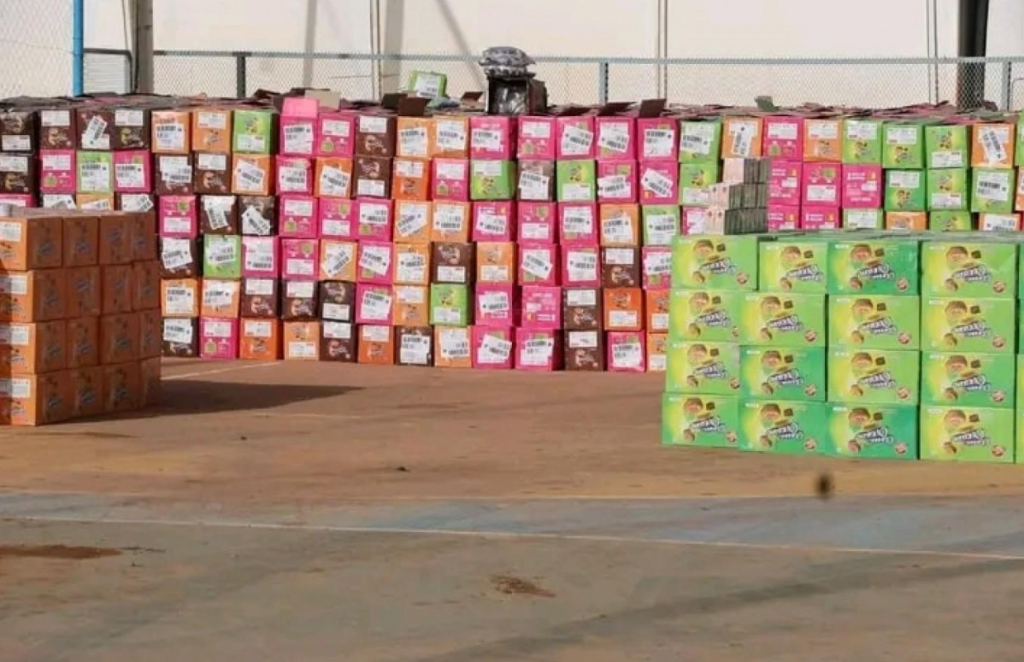
The effectiveness of Burkina Faso’s fight against illicit trade now hinges on a critical question: can the latest crackdown on smuggling networks outpace the adaptability of criminal syndicates operating across borders? Recent figures released by customs authorities reveal staggering statistics, underscoring both the scale of the challenge and the urgency of a coordinated response.
Over 10 billion FCFA in illegal goods seized in three-month operation
During a three-month enforcement surge, Burkinabè customs officers dismantled smuggling rings operating across key transit corridors. The operation, mobilizing specialized units from July to October, resulted in the interception of goods valued at over 10.8 billion West African CFA francs. Authorities presented these findings in Ouagadougou, highlighting the sophistication and reach of organized crime networks exploiting porous borders.
The scope of the seizures paints a vivid picture of the threats posed to public health, economic stability, and national security. From falsified pharmaceuticals to industrial chemicals, the sheer diversity of illegal goods reveals a shadow economy thriving alongside legitimate trade.
A pharmaceutical time bomb in circulation
At the heart of the crackdown was the interception of 4.2 million tablets of Tapentadol, a potent prescription painkiller. With an estimated street value exceeding 8 billion FCFA, this haul represents the single largest component of the total seizures. The figure alone raises immediate alarms about the vulnerability of supply chains and the potential misuse of controlled substances.
In addition, more than 11 metric tons of counterfeit medicines—worth roughly 1.1 billion FCFA—were confiscated. These products, often manufactured without regulatory oversight, pose severe risks to patient safety. Unregulated dosages and contaminated ingredients can lead to treatment failures, adverse reactions, or even fatal outcomes when consumed unknowingly.
The alarming scale of these pharmaceutical seizures underlines a systemic vulnerability: when counterfeit drugs circulate undetected, public trust in healthcare systems erodes, particularly in regions where authentic medication access is already limited.
Dangerous substances infiltrating local markets
The scope of the operation extended far beyond the pharmaceutical sector. Customs teams seized significant quantities of narcotics, including cocaine and cannabis, alongside hazardous industrial chemicals such as cyanide and mercury. These substances, when diverted from regulated channels, can fuel crime, contaminate ecosystems, and endanger communities near mining or industrial sites.
The interception of explosives and related accessories sent another clear warning: unregulated explosives trafficking not only facilitates criminal activity but also increases the risk of accidental detonation or intentional harm. This threat is especially acute given Burkina Faso’s ongoing security challenges.
Everyday goods turned into vehicles of fraud
Far from targeting only high-value or luxury goods, the operation revealed how smuggling infiltrates the most basic aspects of daily life. Authorities seized over 500 metric tons of fertilizer, nearly 490 metric tons of rice, and thousands of liters of cooking oil. Unregistered pesticides, counterfeit cigarettes, pirated textbooks, and industrial textiles were also confiscated.
This pattern exposes a harsh reality: smugglers exploit demand for essential goods—food staples, agricultural inputs, and household items—to move illicit merchandise across porous borders. The result is a dual crisis. Legitimate businesses face unfair competition, while consumers unwittingly purchase goods that may be unsafe or of inferior quality.
Economic sabotage disguised as trade
The ripple effects of smuggling extend deep into national economic health. When illegal goods bypass customs duties and taxes, revenue streams that fund schools, hospitals, and infrastructure dry up. The result is chronic underfunding of national priorities, compounded by the rise of an untaxed informal economy that distorts market dynamics.
In agriculture, the use of unregulated fertilizers and banned pesticides threatens soil fertility and food safety. For staple crops like rice, the influx of smuggled or counterfeit products erodes market stability and farmer incomes. Similarly, counterfeit food oils may contain harmful additives, posing unseen health risks to families across the country.
Can customs enforcement outpace transnational crime?
While the latest seizures mark a significant victory, they represent only a temporary disruption in an adaptive criminal ecosystem. The real test lies in what comes next: dismantling the networks behind these operations, identifying the financiers, and cutting off their supply routes.
Success will depend on more than isolated raids. It requires cross-border intelligence sharing, real-time monitoring of high-risk transit points, and collaboration between customs, law enforcement, health regulators, and agricultural authorities. Only a unified front can prevent smugglers from regrouping and re-establishing their illicit pipelines.
The message from Burkina Faso’s customs leadership is clear: the battle has only just begun. Over 10 billion FCFA in seizures in three months is not a final solution—it is a call to sustained action. The nation’s ability to protect its people, preserve public revenue, and foster fair commerce now rests on turning short-term gains into lasting security.