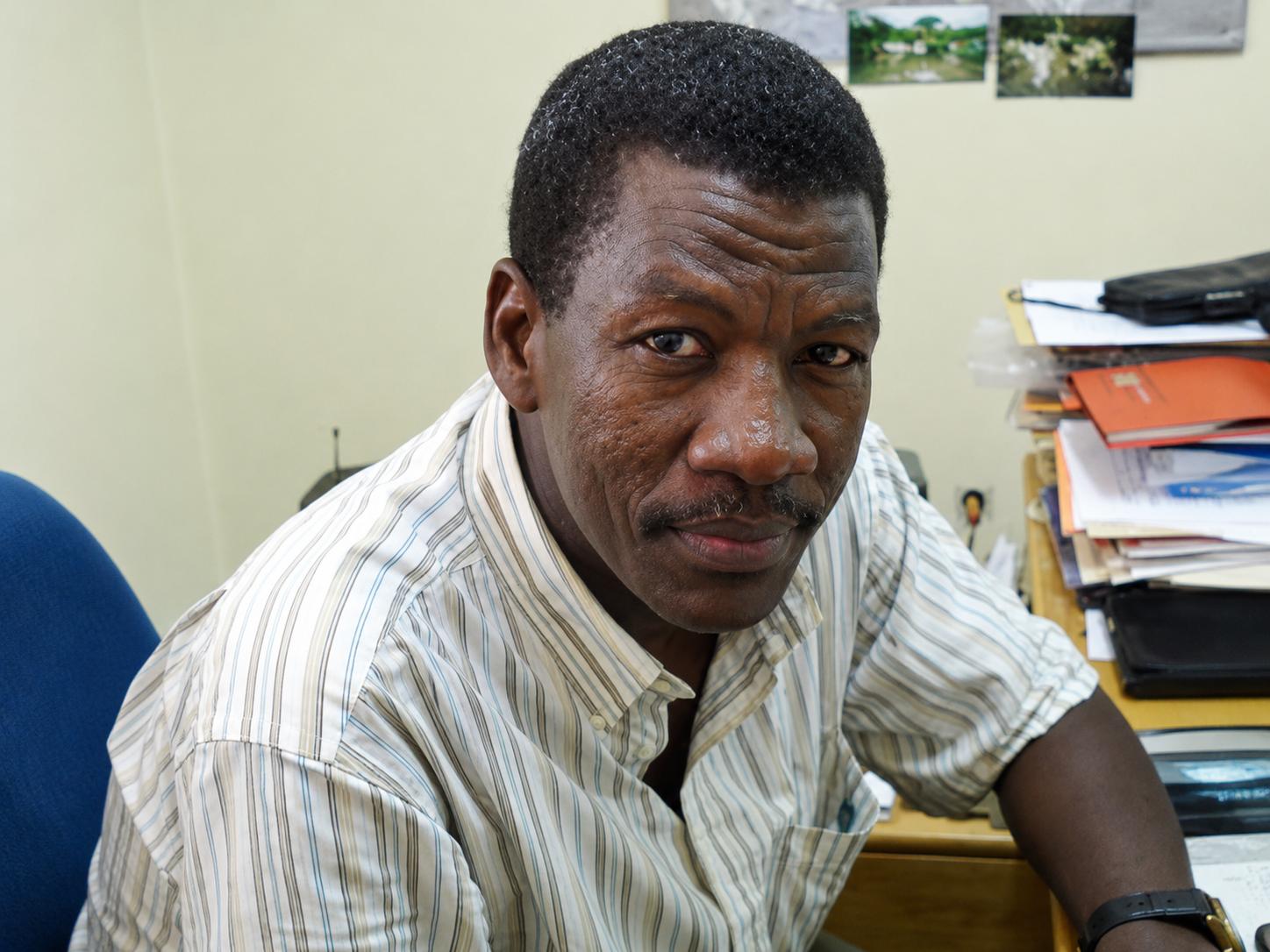
Across Niger, the arrest of renowned journalist Moussa Kaka has ignited a firestorm of concern among media professionals, human rights defenders, and advocates for democratic freedoms. Journalists for Human Rights (JDHO), a prominent coalition within the country’s press community, has issued a resolute public statement urging the transitional government to provide immediate clarity on the grounds for Kaka’s detention and the reasons behind his prolonged incarceration without formal charges.
From silence to state custody: the unfolding mystery
On August 31, 2026, Moussa Kaka left his workplace in Niamey and vanished without a trace. For days, his whereabouts remained unknown, sparking fears of an enforced disappearance or unlawful detention. The absence of official information only deepened public anxiety—until mounting pressure from journalists’ unions compelled the Minister of Justice to confirm that Kaka was alive and in state custody. Yet this revelation, while easing immediate fears for his safety, did little to address the legal vacuum surrounding his detention.
Confirmed alive, but where are the charges?
The confirmation that Moussa Kaka is alive and under government supervision has done little to alleviate the concerns raised by human rights organizations. Despite this update, serious questions persist about whether his detention complies with Niger’s constitutional and legal frameworks. JDHO has outlined three immediate priorities to restore procedural integrity in this case:
- Public disclosure of allegations: The coalition insists that authorities must disclose the specific accusations against Kaka, ensuring transparency and providing a legal basis for his continued detention.
- Humane treatment and transparency: Independent monitors must be granted access to his place of detention to verify his living conditions, assess his well-being, and ensure compliance with international human rights standards.
- Full access to legal representation: Kaka must be allowed unrestricted contact with his lawyers and family members to prepare an adequate defense and participate in fair legal proceedings.
Press freedom in decline: a chilling trend under Niger’s transition
The detention of Moussa Kaka is not an isolated incident but part of a troubling pattern affecting independent journalism in Niger. Since the establishment of the transitional government, critical reporting has faced growing restrictions, with national security narratives increasingly deployed to justify surveillance and censorship. JDHO’s campaign to secure Kaka’s rightful treatment or prosecution represents a broader pushback against state overreach—where press freedom is weaponized under the guise of public safety. The resolution of this case will serve as a pivotal moment for judicial independence and the protection of civil liberties in Niger.
Upholding the rule of law without delay
Niger’s transitional authorities now face mounting domestic and international pressure to respond to these concerns with transparency and urgency. The outcome of this case will send a definitive signal about the country’s dedication to constitutional governance and the protection of fundamental rights. For Kaka’s colleagues and supporters, the message is clear: invoking national security cannot justify the suspension of due process or the suppression of a free and independent press. The demand for answers grows louder each day—inaction is no longer an option.