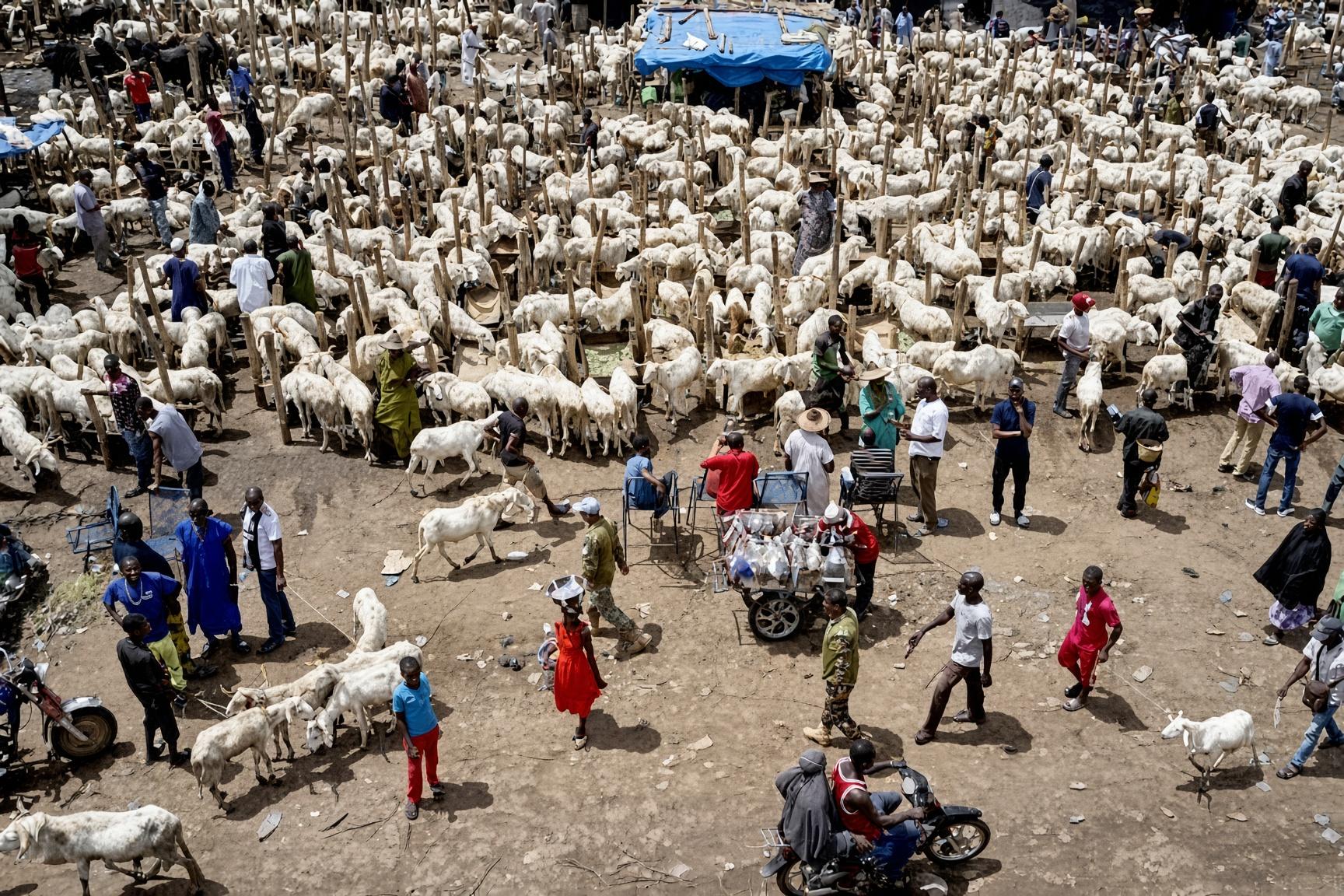
With soaring meat prices putting pressure on household budgets across Mali, the government is once again shifting blame away from its own economic mismanagement. Facing a volatile security climate and a struggling economy, officials have turned to heavy-handed policies, proposing a six-month ban on livestock exports—a decision that could have devastating consequences for private operators and the sector as a whole.
The livestock industry is more than just a vital economic driver; it contributes over 15% to Mali’s GDP and ranks as the country’s third-largest export earner, generating over $150 million annually. Yet instead of strengthening the backbone of this sector—farmers, traders, and transporters—Bamako is tightening its grip by restricting their most fundamental right: the freedom to sell their livestock in regional markets.
Why a state-imposed cattle export ban spells disaster for Mali’s private sector
The government’s move to abruptly close borders to Senegal, Côte d’Ivoire, and Guinea isn’t just misguided—it’s a direct attack on the very entrepreneurs keeping the livestock economy alive. By severing access to high-demand markets, Bamako risks creating artificial surpluses, crushing already thin profit margins, and bankrupting thousands of small and medium-sized operators already struggling with skyrocketing feed and transport costs.
This protectionist measure, dressed up as a measure to protect consumers, will backfire spectacularly. Historically, price controls and trade restrictions have never succeeded in stabilizing economies. Instead, they discourage investment, stifle innovation, and set the stage for tomorrow’s shortages. Why would a cattle farmer invest in modernizing their herd if they know the state can suddenly pull the plug on access to more lucrative regional markets?
The real drivers behind Mali’s rising meat prices
Behind the headlines lies a harsh economic reality. The surge in meat prices isn’t just the result of market forces—it’s fueled by systemic dysfunction. Disrupted supply chains, soaring animal feed costs, rampant extortion along transport routes, and chronic insecurity have created a perfect storm. Rather than tackling these root causes, the government is choosing the path of least resistance: control, restriction, and coercion.
Market disruptions from poorly planned relocation of livestock markets, sharp increases in feed prices, and the breakdown of law and order on critical transport corridors are real issues. Yet Bamako’s solution is not to unclog the arteries of commerce—it’s to clamp them shut. This approach sends a dangerous message: that private initiative is not valued, and that economic survival depends not on productivity or innovation, but on state favor.
Eroding investor trust and regional trade networks
By threatening to choke off a sub-regional export network that handles 99% of Mali’s cattle sales, the government is sending a chilling signal to investors and regional partners. Predictability in regulation and respect for commercial freedom are not luxuries—they are the foundation of long-term economic stability. When the state sacrifices legal security and market freedom on the altar of political urgency, confidence erodes—and so does foreign and domestic investment.
Mali faces a clear choice: double down on state control and accept stagnation, or empower private operators, secure transport routes, simplify bureaucratic hurdles, and let the market do what it does best—balance supply and demand naturally.
What Mali must do to stabilize the meat market sustainably
Instead of scapegoating private entrepreneurs for state failures, Mali should focus on what truly matters. Here’s how the country can turn the tide:
- Secure transport corridors: End extortion and restore safe transit on key routes to Senegal, Côte d’Ivoire, and Guinea.
- Modernize livestock infrastructure: Invest in upgraded markets and cold chain logistics to reduce waste and improve efficiency.
- Lower administrative burdens: Reduce taxes, permits, and red tape that inflate costs and discourage investment.
- Support private initiative: Stop blaming traders and start treating them as partners in economic recovery.
The answer to rising meat prices isn’t more state interference—it’s more freedom, more security, and more trust in the private sector. Without these, Mali’s livestock industry—and with it, the livelihoods of hundreds of thousands of households—will continue to suffer.