Why West African customs systems must evolve to compete globally
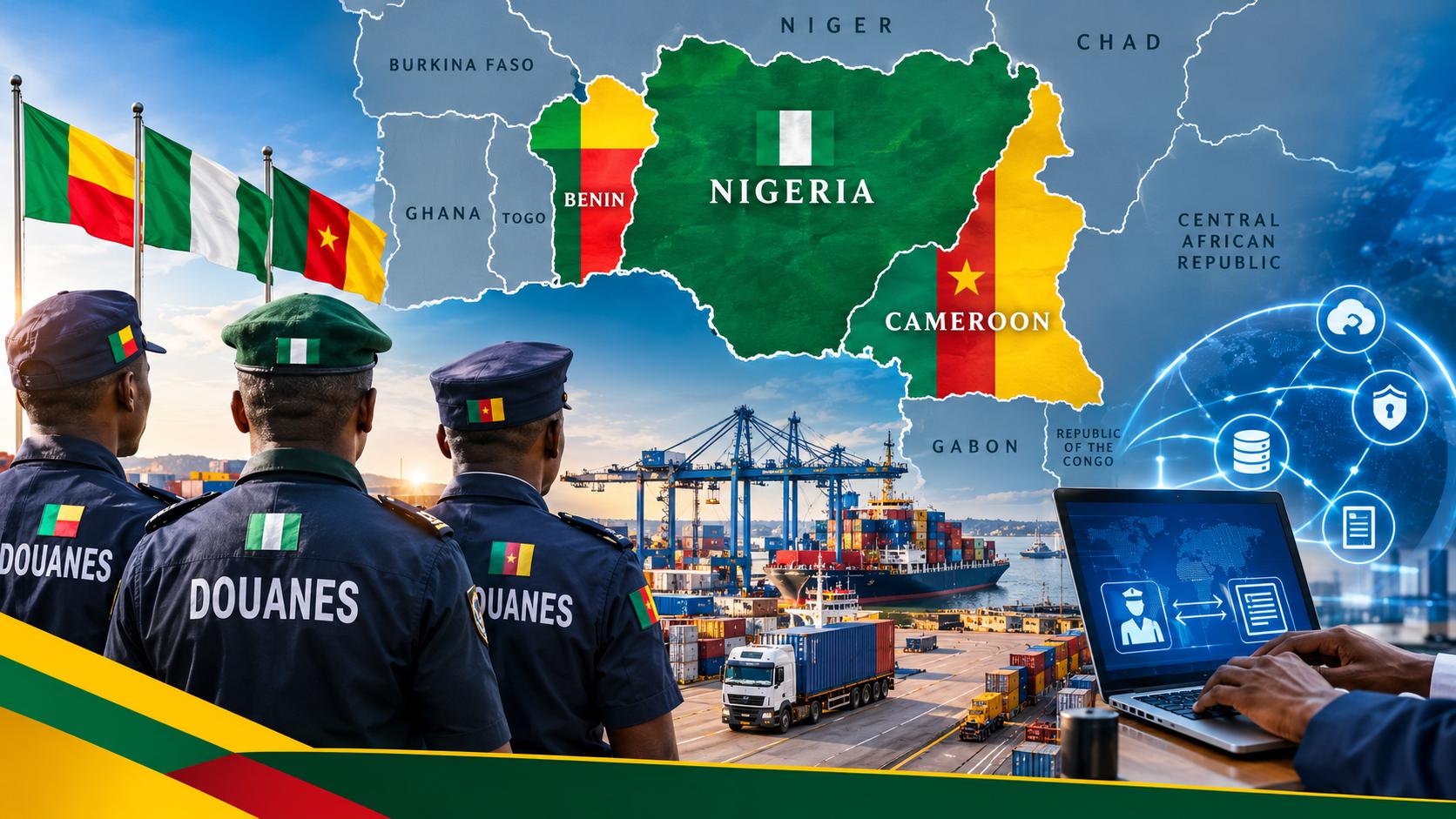
West Africa’s economic growth hinges on overcoming longstanding inefficiencies at its borders. A bold initiative aims to address this challenge directly: Benin, Nigeria, and Cameroon are advancing toward the digital interconnection of their customs systems. But does this technical solution hold the key to transforming regional trade dynamics?
Streamlining trade through shared digital infrastructure
The planned customs digital integration project represents a strategic shift in how these three nations manage cross-border commerce. Supported by Afreximbank, this initiative seeks to eliminate redundant bureaucratic processes that currently slow down trade flows. By connecting customs databases between Cotonou, Abuja, and Yaoundé, the system would enable real-time data exchange, reduce paperwork, and accelerate clearance procedures.
For businesses engaged in regional trade, these improvements could translate into significant competitive advantages. Faster processing times mean lower inventory costs, more predictable supply chains, and improved cash flow. Small and medium-sized enterprises, which form the backbone of West African commerce, stand to benefit particularly from reduced logistical expenses.
Yet technology alone cannot guarantee success. The system’s effectiveness will depend on complementary measures, including harmonized customs procedures, robust cybersecurity frameworks, and continuous operator training. Without these supporting elements, even the most sophisticated IT solution risks becoming another bureaucratic bottleneck.
Benin’s strategic position in the digital customs revolution
Benin’s economic prosperity is closely tied to efficient port operations and seamless cross-border trade. As a transit hub linking landlocked neighbors to international markets, the country’s ability to facilitate smooth customs processing directly impacts its regional competitiveness.
The digital customs integration project presents a unique opportunity for Benin to strengthen its position in West African trade networks. By sharing customs information with Nigeria and Cameroon, Beninese authorities could achieve several key objectives:
Enhanced cargo tracking: Real-time visibility into goods movements across all three countries would reduce losses and improve supply chain reliability
Fraud detection: Cross-referencing customs declarations would make it easier to identify discrepancies and prevent illegal trade activities
Cost reduction: Streamlined procedures would lower the financial burden on businesses, particularly those relying on just-in-time inventory models
The implementation of this system would also reinforce Benin’s attractiveness as an investment destination, particularly for companies seeking to establish regional distribution centers.
Critical questions surrounding the customs digital leap
While the potential benefits are substantial, several crucial questions must be resolved before implementation can begin:
Timeline and scope: What is the projected rollout schedule, and which specific customs procedures will be prioritized for digitalization?
Data governance: How will sensitive trade information be protected, and what safeguards will prevent unauthorized system access?
Interoperability challenges: Can the existing customs platforms in all three countries be sufficiently harmonized to enable seamless data exchange?
Performance metrics: What specific benchmarks will be used to measure improvements in clearance times and cost reductions?
Political commitment: How will each country ensure sustained leadership and financial backing for this long-term initiative?
The answers to these questions will determine whether the project becomes a transformative tool for regional commerce or merely another unfulfilled promise in Africa’s digital journey.
From vision to operational reality: the road ahead for customs modernization
The customs digital integration initiative represents more than just a technical upgrade it’s a strategic move toward creating a more connected West African economic space. However, its ultimate success will depend on turning technical specifications into tangible improvements for businesses and consumers.
For regional policymakers, the challenge lies in moving beyond declarations of intent to deliver measurable results. This requires:
Establishing clear governance structures to oversee the project’s implementation
Investing in complementary infrastructure such as scanning equipment and digital payment systems
Creating training programs to ensure customs officials can fully utilize the new system
Developing transparent reporting mechanisms to track progress against established benchmarks
If executed effectively, this initiative could set a new standard for customs modernization across the continent. West African businesses—and the broader regional economy—stand to gain significantly if this digital customs revolution delivers on its promise.
By IBRAHIM OUMAROU — Journalist