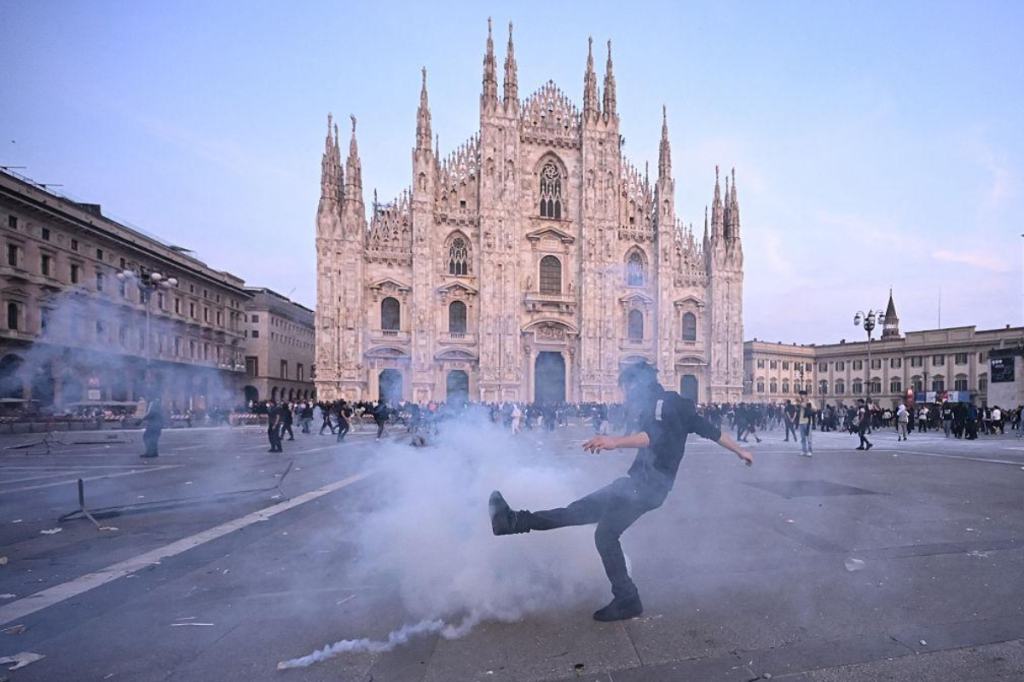
Rome’s hard line after a weekend of unrest
After a weekend of riots in Milan and other northern cities left shattered storefronts and injured officers, Italy’s government has taken decisive action. On October 20, the Council of Ministers approved a sweeping new security decree aimed at stemming urban violence—but at what cost to public freedoms?
The measures come amid a wave of unrest that saw looting, vandalism, and clashes between demonstrators and police forces. While Rome frames the response as necessary to protect citizens, critics argue the crackdown goes too far, blurring the line between legitimate protest and criminal behavior. The question now is whether stricter penalties and expanded surveillance will restore order—or stifle dissent.
Harsher penalties for organized violence
The decree introduces tougher sanctions for collective acts of violence during protests. Individuals participating in groups of five or more who endanger public safety could face up to five years in prison and fines of up to €20,000. Penalties escalate if participants conceal their identities or if injuries occur. The law also targets organizers, with those inciting or planning violent gatherings—including through digital means—risking four to twelve years behind bars.
This two-pronged approach aims to dismantle both the foot soldiers and the masterminds behind the unrest. But detractors warn that such sweeping measures could criminalize peaceful assembly, leaving little room for legitimate dissent.
Parents and minors in the crosshairs
A controversial provision holds parents financially accountable for damages caused by their minor children. Authorities will pursue compensation for broken windows, stolen goods, and other losses, arguing that economic consequences will deter repeat offenses. Meanwhile, prosecutors will have greater leeway to detain minors aged 14 to 17 if they deem them a threat—raising concerns about due process and the rights of adolescents.
The question remains: can families truly be held responsible for the actions of their children? Legal experts caution that enforcement must align with existing laws to avoid overreach.
Milan becomes a testing ground
The government has deployed an additional 500 soldiers to Milan under the Strade Sicure initiative, beefing up patrols in vulnerable areas. The move reflects the crackdown’s priority: restoring order swiftly, even if it means militarizing public spaces. Yet not all unrest stems from mindless vandalism—the underlying grievances include rising living costs, energy prices, and crumbling public services. Critics argue that repression alone fails to address the root causes of frustration.
For now, Milan serves as a laboratory for the new security regime, with the rest of the country watching closely to see if Rome’s tactics yield lasting calm—or fuel deeper divisions.
Balancing security and civil liberties
The decree is the latest in a series of hardline policies introduced since 2022, sparking pushback from police unions and civil liberties advocates. Key concerns include the expansion of preventive detention, the treatment of minors, and the potential for disproportionate penalties that could chill protest culture.While some measures were scaled back—such as granting military police broader powers in Milan—the debate over security versus freedom shows no signs of fading. The law takes immediate effect, but Parliament must ratify it within 60 days. The stakes are high: can Italy enforce order without eroding the democratic rights it claims to protect?
What’s next for the decree?
The coming weeks will determine whether the measures achieve their goals. Will they curb violence, or will they spark new tensions? As Rome doubles down on repression, one thing is clear: the balance between security and liberty is more fragile than ever.