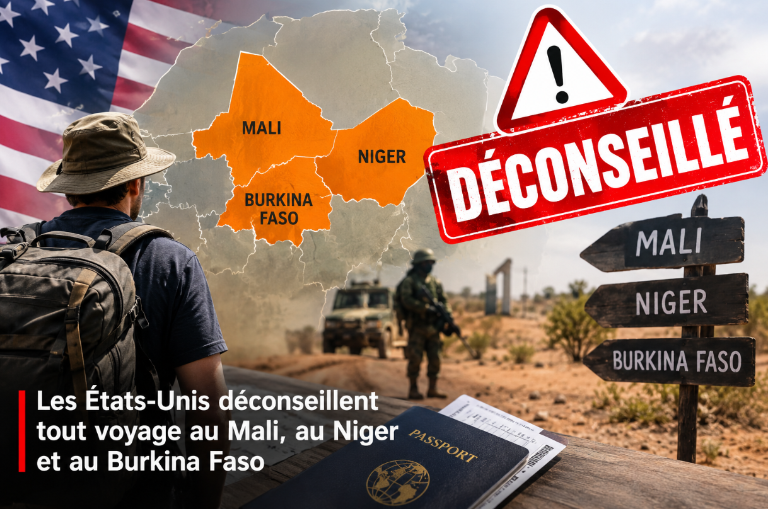
With terrorism, kidnappings, and violent crime surging across West Africa’s Sahel region, governments worldwide are issuing urgent travel warnings. Mali, Niger, and Burkina Faso now sit at the highest alert level, forcing travelers and businesses to confront a critical question: is it worth the risk?
Why are Mali, Niger, and Burkina Faso under extreme travel warnings?
In response to escalating security threats, the United States has placed Mali, Niger, and Burkina Faso under the most severe travel advisory—Level 4, commonly known as ‘Do Not Travel.’ This classification reflects the relentless danger posed by armed groups, kidnappings, and unchecked criminal activity across vast areas of these nations. The warnings were last updated in 2026, underscoring the persistent and deepening instability in the region.
The evolving terror threat reshaping travel decisions
Groups linked to Al-Qaeda and ISIS continue to expand their influence, executing coordinated attacks on civilians, military patrols, and critical infrastructure. Road ambushes, bombings, and targeted strikes in urban centers like Bamako (Mali), Niamey (Niger), and Ouagadougou (Burkina Faso) have created a climate where even essential travel is fraught with peril. The situation has deteriorated to the point that governments are restricting their own personnel’s movements, restricting travel outside capital cities.
Mali: where even essential travel can turn perilous
The Malian government’s struggle to control armed factions has left swathes of territory vulnerable. Foreign nationals are particularly exposed to kidnapping risks, and the lack of rapid consular support in remote areas heightens the danger. While Bamako is relatively more stable, it remains a potential target for attacks, forcing even diplomatic missions to curtail off-city travel.
Beyond terrorism, Mali faces severe water and food shortages, worsening the humanitarian crisis. Travelers who proceed despite warnings must navigate not only security risks but also logistical nightmares that can strand them for extended periods.
Niger: a country under siege from multiple threats
Niger’s porous borders with Mali and Burkina Faso have turned it into a crossroads for armed insurgents. The U.S. State Department warns that kidnappings for ransom, armed robberies, and jihadist incursions are rampant, particularly in northern and western regions. Niamey’s relative safety is outweighed by the broader threat, making any journey outside the capital a high-stakes gamble.
For aid workers and business travelers, the situation is especially precarious. Supply chains are frequently disrupted, medical evacuations are nearly impossible in many areas, and the local security apparatus is stretched thin. The U.S. government has imposed strict movement restrictions on its employees, further signaling the severity of the risk.
Burkina Faso: a hotspot for violence and kidnappings
Burkina Faso has become one of the most dangerous places in Africa for foreigners. Armed groups routinely attack villages, mines, and transport routes, while kidnappings have surged—including high-profile cases targeting Westerners. The government’s inability to protect civilians in northern and eastern regions has led to near-total control of the area by non-state actors.
In Ouagadougou, once seen as a safe haven, hotels, restaurants, and even foreign embassies have been targeted. The U.S. has barred its personnel from traveling outside the capital, underscoring the country’s collapse into a state of chronic insecurity.
The ripple effects on travel, business, and aid efforts
The fallout from these travel advisories extends beyond personal safety. International organizations face mounting difficulties in delivering humanitarian aid, while mining and energy companies are forced to suspend operations in high-risk zones. Road closures, fuel shortages, and the collapse of local governance in parts of these countries have made logistics nearly impossible.
For travelers who choose to ignore the warnings, the consequences can be dire: prolonged detentions, extortion, or worse. Consular assistance in remote areas is often delayed or unavailable, leaving individuals stranded and vulnerable.
How quickly can conditions deteriorate?
Travel advisories are not static. A single attack, coup, or border closure can escalate a ‘reconsider travel’ warning into a ‘do not travel’ alert within days. In 2026 alone, multiple regions transitioned from moderate risk to extreme danger after sudden surges in violence. This volatility demands constant vigilance and a willingness to adapt plans at a moment’s notice.
What should travelers and businesses do now?
For those considering a trip to the Sahel, the message is clear: the risks now far outweigh any potential reward. Businesses must conduct thorough risk assessments, and international organizations should explore alternatives to in-person missions. Travelers who proceed must register with their embassy, avoid non-essential travel, and prepare for the possibility of evacuation.
With armed groups showing no signs of retreat, the Sahel’s security landscape looks set to worsen before it improves. Until stability returns, the question isn’t just whether to travel—it’s whether the journey is worth the price of your safety.