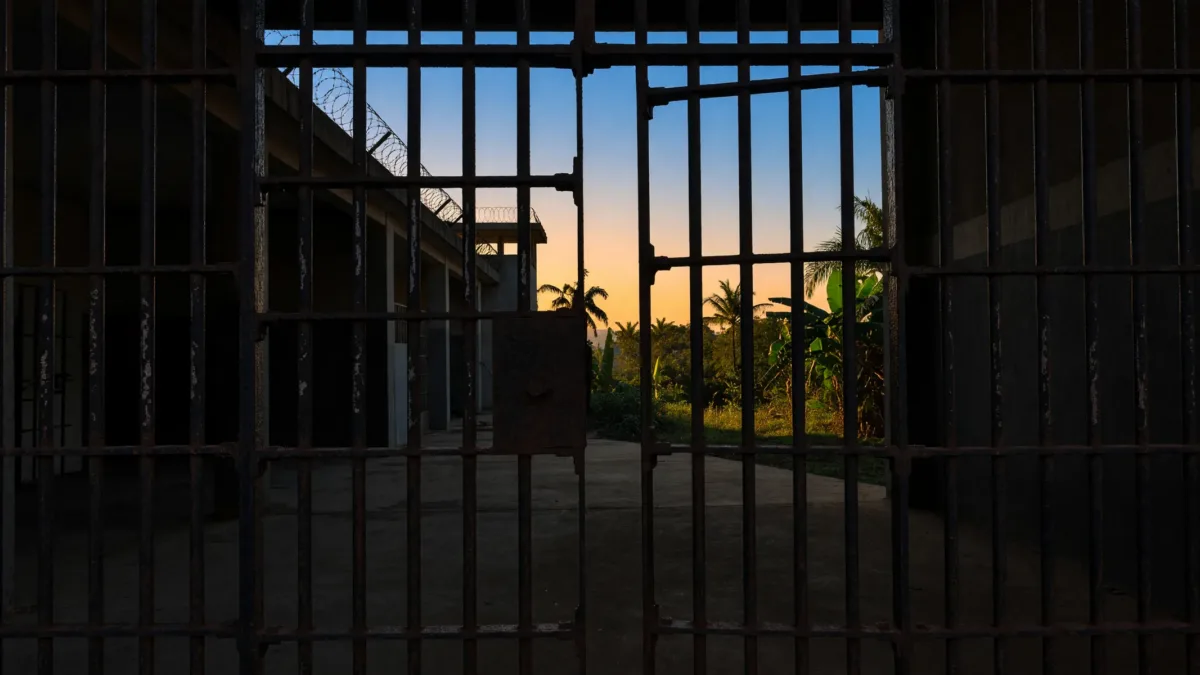
Six local leaders of the Democratic Party of Côte d’Ivoire (PDCI-RDA) walked out of detention on Monday, July 20, 2026, after spending nine months behind bars. Their release was confirmed by their lawyer, Me Ange Rodrigue Dadjé, following a decision by the Abidjan anti-terrorism court. The six activists—Allo Pacôme Didier, Kouleon Manhenin, N’Cho Gnangoran, Mabo Koffi Jean-Marc, Ouattara Kinjinlman, and Niangoran N’Guessan Édouard—were taken into custody between late September and early October 2025 during the heated presidential election campaign.
Arrests amid election tensions
The arrests occurred against a backdrop of political tension surrounding the 2025 presidential vote, a contest marked by sharp divisions between the ruling party and opposition groups. The detainees faced accusations of plotting against the state and plotting insurrection, charges the PDCI-RDA dismissed as politically motivated. At the time, the party condemned the irregularities in their arrest procedures, while government officials insisted the proceedings were strictly judicial and not targeted at political opponents. The specialized anti-terrorism court, established in 2016, handled the case for nearly ten months before ordering their release.
Broader trend of opposition releases
This decision aligns with a recent wave of releases involving opposition figures. In recent weeks, other political leaders, including Moïse Lida Kouassi and Ibrahim Zigui, have also regained their freedom. These releases have raised questions about a potential shift in Côte d’Ivoire’s political climate, especially as the country emerges from a highly charged electoral period. So far, the government has not commented on whether these releases signal a conciliatory gesture, reaffirming instead that all legal proceedings are carried out in accordance with the law. Observers, however, may interpret this release as a sign of evolving dynamics in the country’s political rights landscape.
Political context in Côte d’Ivoire
Côte d’Ivoire, the leading economy in the West African Economic and Monetary Union (WAEMU), has long been under international scrutiny due to its history of post-election violence, particularly following the 2010-2011 crisis. Political tensions frequently flare up during election cycles, as seen in the 2020 presidential contest, which resulted in deadly clashes and the detention of opposition leaders.
The PDCI-RDA, founded by Félix Houphouët-Boigny and once a dominant force in Ivorian politics, now stands as a key opposition party to President Alassane Ouattara, who secured a third term in 2020 in a disputed election. The debate over democratic space and political transition remains central to Ivorian politics, particularly as the nation gears up for upcoming local and legislative elections.
Legal outcomes and next steps
Me Ange Rodrigue Dadjé, the lawyer representing the released activists, welcomed the court’s decision but did not clarify whether the men received a dismissal of charges, a stay of proceedings, or temporary release pending trial. While the decision marks a significant moment, it remains unclear whether this judicial outcome will pave the way for further gestures of political openness or remain an isolated case in the handling of opposition-related cases.
The PDCI-RDA has yet to issue an official statement regarding the release. The six activists, some of whom held regional coordination roles within the party, are expected to resume their political activities in the coming days.