addressing malnutrition in Mali with community-led solutions
Malnutrition remains a critical public health challenge in Mali, a landlocked country in West Africa with over 15 million residents. Despite ongoing prevention efforts, pockets of severe malnutrition persist across several regions.
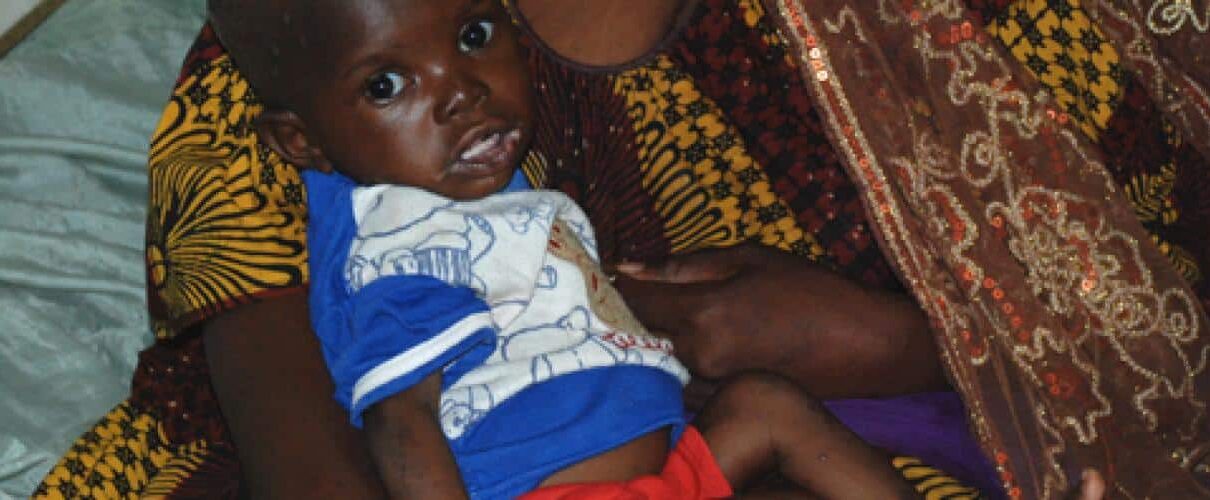
The Malian government has identified malnutrition as a top priority due to its devastating impact on child survival rates—nearly one in five children in Mali does not reach the age of five. This silent crisis affects families immediately and casts long shadows over the nation’s future, from stunted growth in children to weakened immune systems and lifelong developmental delays.
Within Malian households, closely spaced pregnancies significantly contribute to malnutrition in both mothers and young children. Larger family sizes further exacerbate the problem, creating cycles of poverty and poor health that are difficult to break.
exceeding global emergency thresholds
Global acute malnutrition (moderate and severe) affects 15% of Mali’s population, surpassing the World Health Organization’s emergency threshold of 10%. Chronic malnutrition impacts 38% of children under five—nearly double the international alert level of 20%. These alarming statistics highlight Mali’s urgent need for sustained nutritional intervention.
Additionally, over 80% of children under five and 65% of women in Mali suffer from iron deficiency, one of the highest rates worldwide. Iron deficiency impairs cognitive development in children and increases risks during pregnancy. Anemic mothers are more likely to give birth to malnourished infants, perpetuating generational health challenges.
Given that 40% of Mali’s population is affected by malnutrition, this crisis demands immediate and comprehensive action.
strategic initiatives driving change
Mali has implemented a clear national nutrition policy, backed by targeted action plans to improve care and treatment. This framework emphasizes prevention, early detection, and community-based support.
“This policy is reinforced by a coordinated funding strategy to ensure resources reach every community in need.”
In a key milestone, Mali adopted universal salt iodization to combat iodine deficiency disorders. Currently, 79% of households use iodized salt, though the goal remains 90%.
Since 2005, the Nutrition Intensification Weeks (NIW) have been held twice annually, covering 95% of the country. These campaigns target children aged 6 to 59 months and have become embedded in local traditions, fostering widespread awareness and prevention. During NIW, authorities and humanitarian partners promote vitamin A supplementation and deworming tablets, significantly reducing child mortality.
These coordinated efforts by the Malian government, UNICEF, and NGOs are making measurable progress. The NIW initiative is part of UNICEF’s community-based approach, teaching families to recognize early signs of malnutrition, conduct screenings, and provide timely care. “We’re working to integrate malnutrition screening into routine health services,” says Médiatrice Kiburente Touré. “Our goal is to empower communities with knowledge about clean water, hygiene, and the root causes of malnutrition.”
By 2010, 50% of severely acutely malnourished children in Mali received treatment, and coverage continues to rise through sustained advocacy and care.