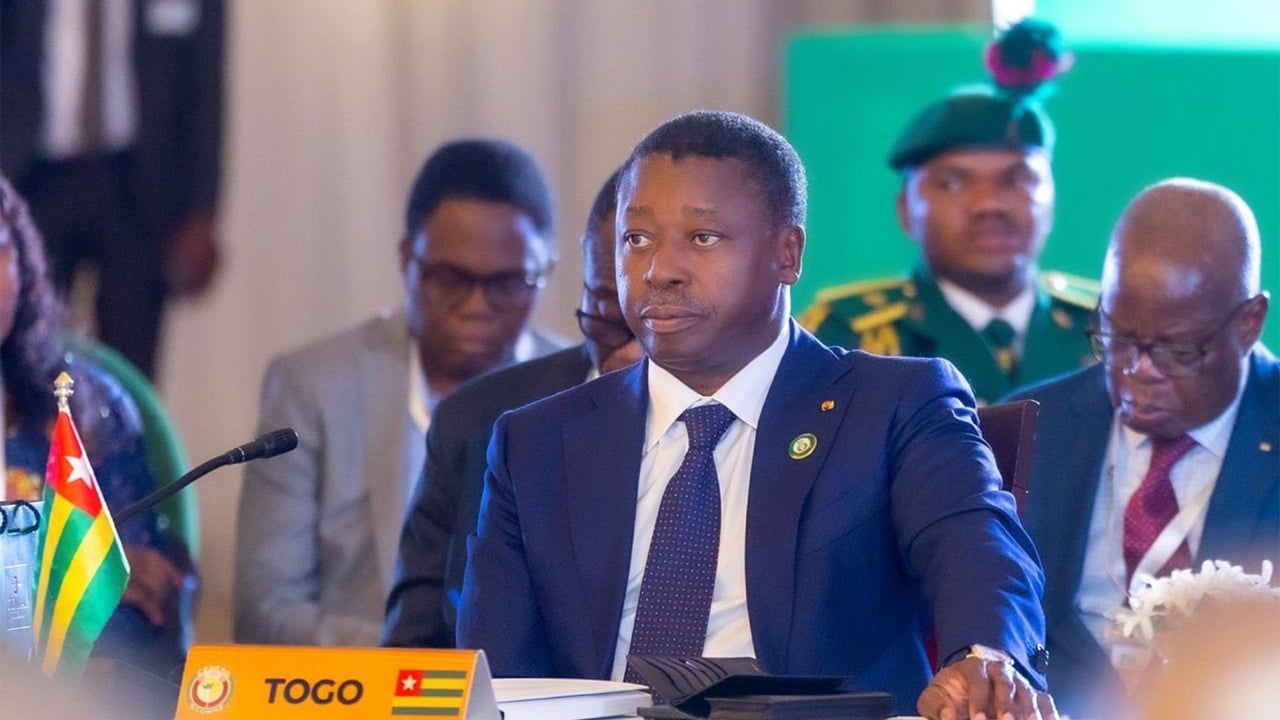

On March 9, 2026, Togo’s diplomatic strategy became the subject of intense scrutiny. The Russian Minister of Defense, Andrei Belousov, landed in Lomé the previous day for a high-level meeting with Togolese President Faure Essozimna Gnassingbé. While this encounter was confirmed by presidential sources to Jeune Afrique, no official statement was released afterward.
This deliberate silence speaks volumes about the Togo government’s cautious approach to international relations, particularly at a time when geopolitical tensions are reshaping alliances across Africa. The meeting’s lack of transparency suggests that Faure Gnassingbé is carefully calibrating his country’s position amid shifting regional dynamics.
Why this discreet diplomacy matters
The absence of a public announcement following the Russian defense minister’s visit underscores a deliberate strategy. Togo appears to be navigating a delicate balance between multiple power blocs:
- Russia, a rising influence in West Africa through military cooperation and security partnerships;
- The Economic Community of West African States (ECOWAS), which has been actively shaping regional policies and governance standards;
- The Alliance of Sahel States (AES), formed by Mali, Burkina Faso and Niger to counterbalance traditional regional organizations.
By maintaining this low-key approach, Faure Gnassingbé is positioning himself as a pragmatic leader, avoiding overt alignment with any single bloc while keeping all diplomatic doors open.
The art of strategic ambiguity in African diplomacy
This form of diplomatic maneuvering is not unique to Togo. Many African leaders are increasingly adopting strategic ambiguity—avoiding clear-cut commitments to maximize flexibility and leverage. The approach allows countries like Togo to:
- Maintain cordial relations with all major players;
- Avoid alienating any bloc that could become strategically important in the future;
- Negotiate from a position of strength when engaging in trade, security or development partnerships.
In Togo’s case, this strategy could be particularly valuable given its geographic location and historical ties to both Francophone and Anglophone Africa.
Implications for West African geopolitics
The Togolese president’s balancing act reflects broader trends in West African diplomacy. As traditional alliances (such as those with former colonial powers) weaken, new partnerships are emerging:
- Russia has been expanding its influence through military cooperation, training programs and arms deals;
- ECOWAS continues to play a central role in regional stability, though its authority has been challenged by recent political shifts in the Sahel;
- The AES represents a new bloc of states rejecting traditional Western influence in favor of greater autonomy.
Faure Gnassingbé’s ability to maintain relations with all three entities demonstrates a sophisticated understanding of the region’s evolving power dynamics. His approach may serve as a model for other West African nations seeking to navigate an increasingly complex geopolitical landscape.
What’s next for Togolese diplomacy?
The coming months will reveal whether Faure Gnassingbé’s strategy of discretion will yield tangible benefits. Possible developments could include:
- Enhanced security cooperation with Russia while maintaining ties with ECOWAS;
- Mediation efforts to reduce tensions between the AES and other regional blocs;
- New economic partnerships that capitalize on Togo’s strategic location as a transit hub.
One thing is certain: in an era where global power struggles are reshaping Africa’s alliances, Togo’s balanced approach could position it as a key player in West Africa’s future.