African-led mediation in eastern DRC outlines strategic roadmap for second half of 2026
- security
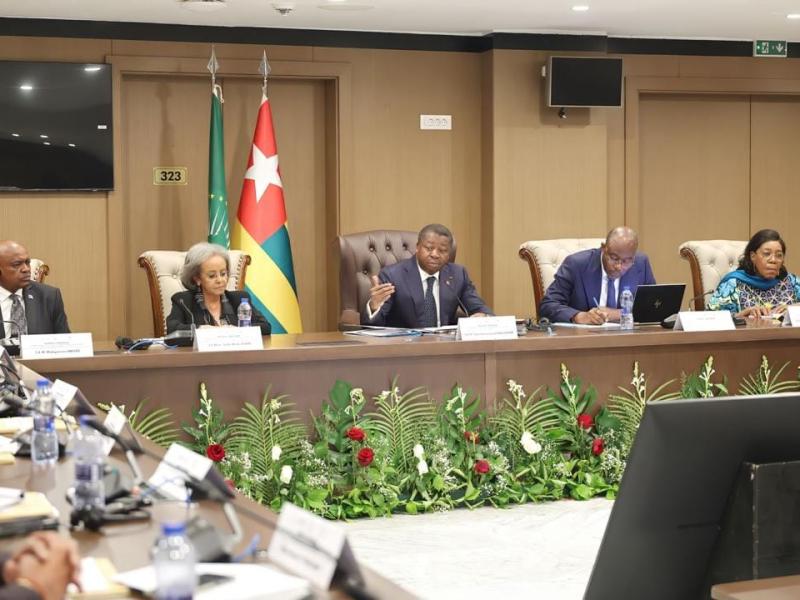
High-level negotiations concluded in Lomé on Monday after two days of intensive discussions among African mediators working to resolve the persistent conflict in eastern Democratic Republic of the Congo (DRC). The meeting, chaired by Togo‘s Prime Minister and African Union mediator Faure Gnassingbé, brought together representatives from regional blocs and international organizations to assess progress and chart a course for the second half of 2026.
The gathering evaluated the effectiveness of the mediation architecture established in January 2026, which includes a panel of former African heads of state, technical support teams, and regional coordination mechanisms. Participants noted the need to strengthen internal coordination between the mediation office, facilitation panel, African Union Commission, and independent secretariat to enhance operational efficiency.
Strategic priorities for the coming months
Key decisions adopted during the session include the adjustment of facilitation panel work plans for the second half of the year and the development of a 15-day operational action plan to implement agreed-upon measures. The roadmap emphasizes the importance of consolidating African contributions to complementary peace processes, particularly those led by the United States and Qatar, to ensure broader ownership and successful implementation.
Participants underscored the necessity of enhanced cooperation among all states and organizations involved in mediation efforts, while respecting their respective mandates within the Lomé framework adopted in January. The meeting concluded with a renewed commitment to diligent implementation of decisions and collective responsibility in pursuing sustainable peace for eastern DRC and the Great Lakes region.
Institutional framework and key actors
The mediation architecture includes five co-facilitators, each overseeing specific thematic areas: former Nigerian President Olusegun Obasanjo handles military and security issues, former Ethiopian President Sahle-Work Zewde addresses humanitarian concerns, former Kenyan President Uhuru Kenyatta engages with local armed groups, former Botswana President Mokgweetsi Masisi focuses on regional economic cooperation, and former Central African Republic transitional President Catherine Samba-Panza leads civil society, reconciliation, and gender-related initiatives.
The framework also features an independent joint secretariat involving Togo, the African Union, East African Community, Southern African Development Community, and the International Conference on the Great Lakes Region. The African Union Commission coordinates with international partners including the United Nations, Qatar, European Union, and the five permanent members of the UN Security Council.
This latest meeting follows the January 2026 high-level gathering in Lomé, which established the mediation architecture and reaffirmed commitments to dialogue and peacebuilding in eastern DRC. The initiative reflects ongoing diplomatic efforts to stabilize the region amid continued hostilities between government forces and the M23 rebel group, reportedly backed by neighboring Rwanda.

Related Articles