Amnesty International demands end to Malian blockade amid rising tensions
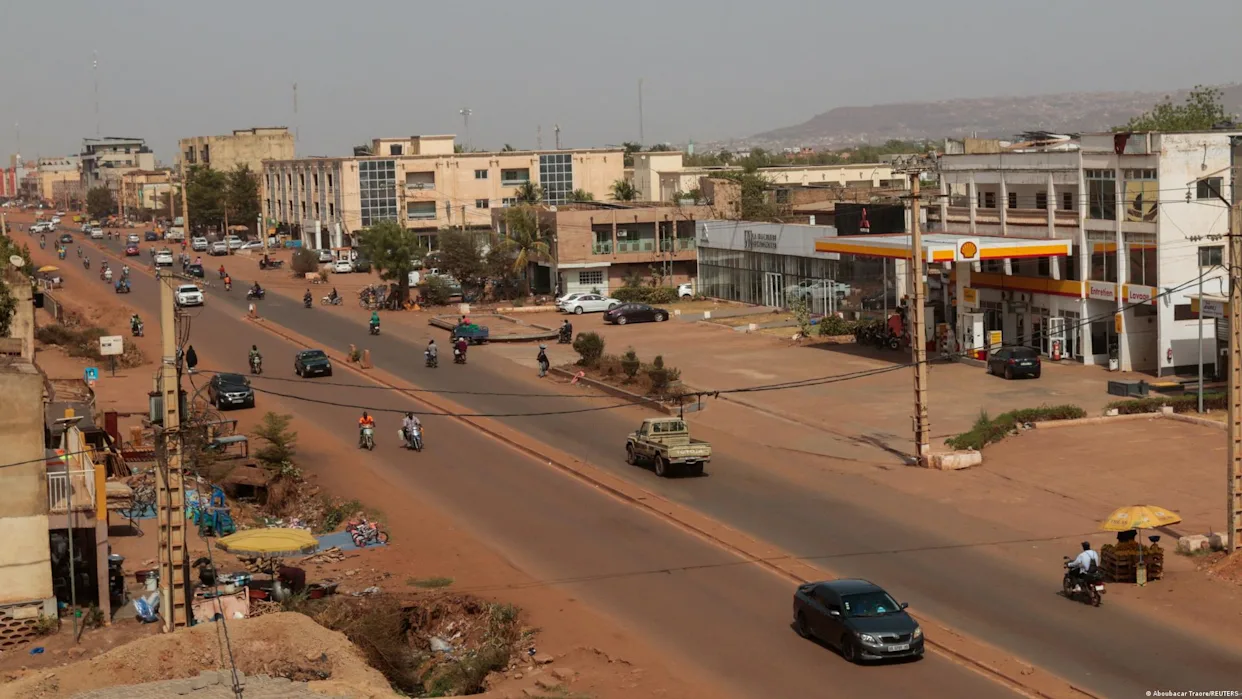
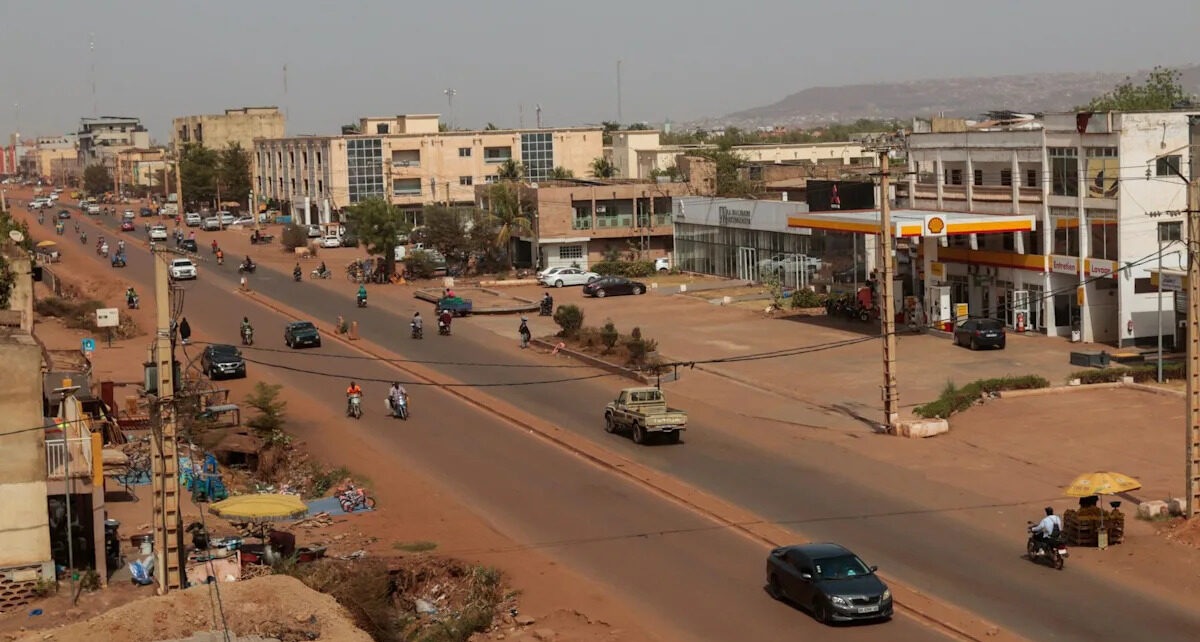
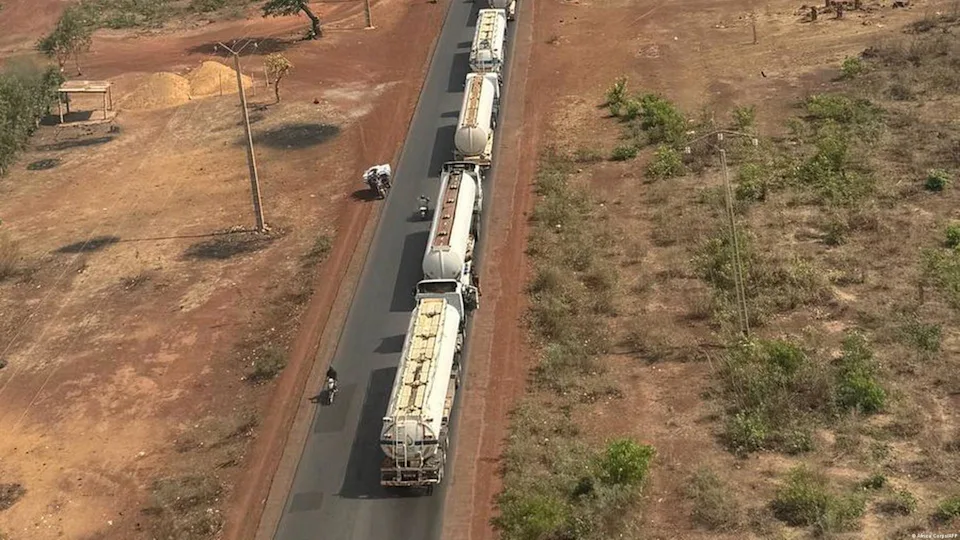
Amnesty International has urgently called on jihadist factions in Mali to cease their blockade of Bamako, warning that the ongoing restrictions are violating civilians’ fundamental rights to safe movement, food security, and healthcare.
“The current blockade of Bamako is having unacceptable consequences on the freedom of movement for civilians and risks triggering severe violations of their rights to food security, health, and life,” the organization stated in a recent communiqué.
The NGO specifically highlighted an incident on May 6, where “a convoy of trucks carrying civilian goods—including fruits—between Bamako and Bougouni (south)—was attacked.” According to Amnesty, “these trucks were neither escorted by military forces nor transporting personnel or military equipment.”
Military intensifies strikes on Kidal amid escalating conflict
The Malian military has announced plans to intensify airstrikes on the city of Kidal in the coming days. Since late April, Kidal has been under the control of Tuareg rebels from the Azawad Liberation Front (FLA) and their jihadist allies, the Group for the Support of Islam and Muslims (JNIM). Military officials confirmed conducting multiple strikes on the city, while separatist forces claim to be holding 200 Malian soldiers captured since April 25 attacks.
Residents in Kidal report persistent power outages and disrupted telecommunications, isolating the city from the rest of the country. In Gao, another northern city under government control, locals describe a climate of deep mistrust, with rising food prices—such as onions doubling in cost—amid conflicting official communications.
Hervé Lankoandé Wendyam, an independent analyst specializing in West African political and security dynamics, warns that “there is a deliberate attempt to sever the North from the rest of Mali. In central Mali, the JNIM’s strategy appears focused on escalating hostilities by seizing urban centers.”
What’s the situation in central Mali?
A local observer familiar with central Mali reports that jihadist forces now control areas along the left bank of the Niger River in the Ségou region, as well as parts of the Koulikoro region. State authorities are reportedly absent from these zones, where jihadists enforce zakat (religious tax) collection and forcibly close schools. By January, over 2,300 schools across Mali had shut down, with the North and central regions bearing the brunt of closures.
Abdoulaye Sounaye, a researcher specializing in Sahelian jihadist groups, suggests that “both sides—the Malian military and jihadist factions—are currently in a phase of observation, reorganization, and rearmament.” He adds, “The government and military regime appear determined to retaliate, while the JNIM and FLA are also preparing for potential renewed offensives. Civilians remain trapped between these forces, enduring abuses from whichever group holds power.”
Experts argue that resolving Mali’s security crisis—spanning the North and central regions—requires inclusive dialogue with all stakeholders. Ahmed Ould Abdallah of the 4S Center emphasizes that “the current crisis affects every social group. The Malian government must take the lead in uniting the nation’s elite and political factions to negotiate a lasting solution. Political problems demand political solutions—dialogue is the only path to stability.”
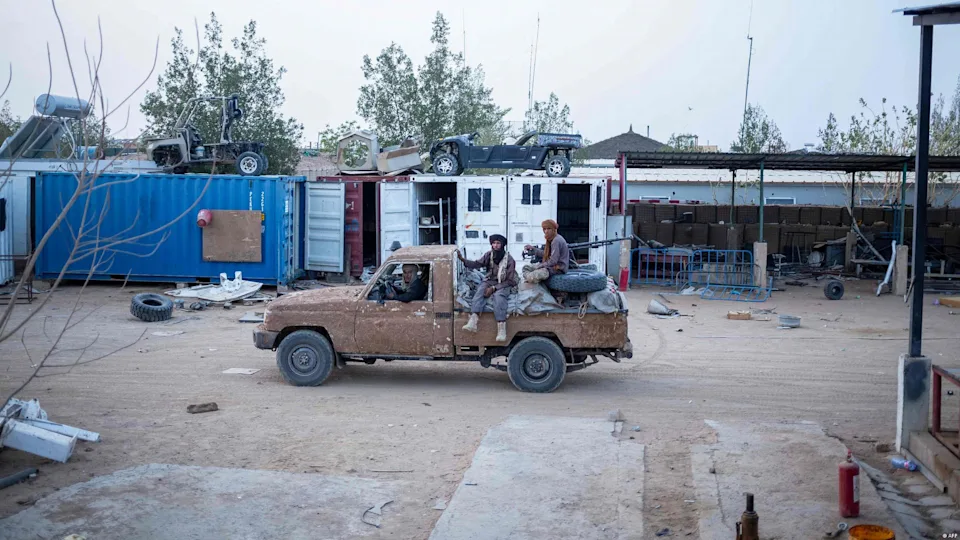
Despite official opposition to negotiations with the FLA and JNIM—labeled as terrorist groups by Malian authorities—secret talks have reportedly occurred to facilitate fuel supplies. Abdoulaye Sounaye, head of a research unit at the Leibniz-Zentrum Moderner Orient in Berlin, predicts that “eventually, all parties will be compelled to come to the negotiating table to reach an agreement.”