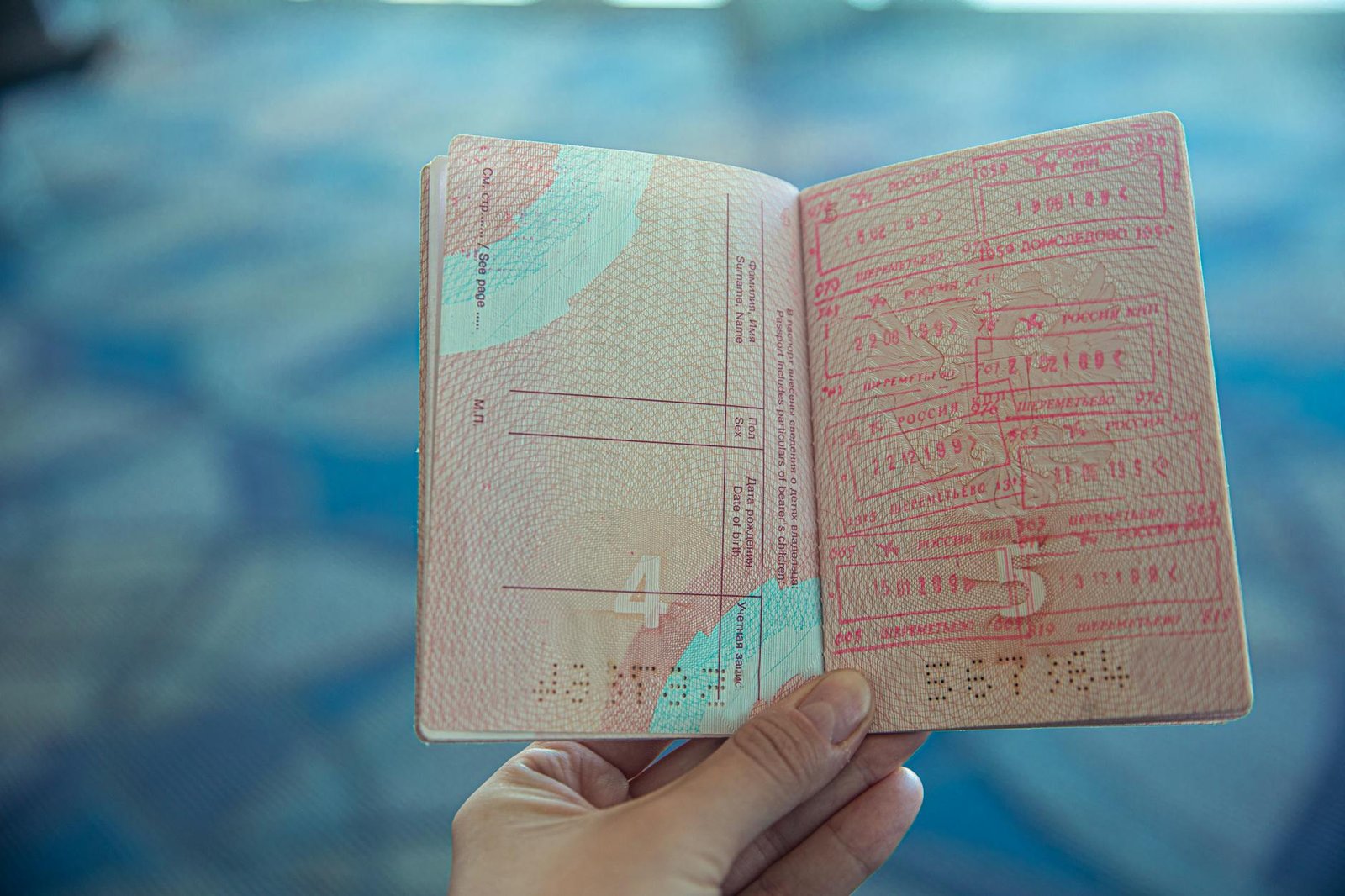
The Sûreté urbaine de Dakar has uncovered a complex criminal network specializing in forged visa approval letters. This operation highlights the increasing sophistication of illegal migration routes passing through Sénégal. A suspect linked to what investigators call a “Chinese ring” was apprehended following a targeted police intervention in the capital. This case emphasizes the persistent vulnerabilities within West African consular systems.
Dismantling a network of counterfeit consular documents in Dakar
Details from the investigation reveal that the Sûreté urbaine identified a highly organized system for creating fraudulent approval letters. These documents are typically mandatory before foreign missions issue visas. When legitimate, they are essential for the consular review process, making them high-value targets for individuals seeking to travel abroad.
The arrest of the suspect, identified as a key operative within the network, followed several weeks of intensive surveillance. Police are now focused on tracking down the masterminds and the final recipients of these forged papers. Authorities are seriously investigating the possibility of a transnational network involving intermediaries located outside of Sénégal.
Sénégal as a focal point for document trafficking
For years, Dakar has served as a major migration and consular hub in West Africa. Its high concentration of diplomatic missions and numerous flight connections to Asia, Europe, and the Middle East make it a strategic location for both legal travelers and criminal organizations. In response, Sénégal authorities have intensified efforts to break up rings producing fake passports, visas, and civil status documents.
The Direction de la police des étrangers et des titres de voyage (DPETV) works closely with the Sûreté urbaine on these cases. Criminal groups—whether Chinese, African, or Middle Eastern—are using increasingly advanced printing technology. Sometimes, these operations are aided by internal accomplices within private service providers or administrative bodies, making detection difficult for both law enforcement and consular staff.
Administrative integrity and international cooperation
This case goes beyond criminal prosecution, raising concerns about the security of consular document chains. Nations receiving visa applications—including those in the Gulf, Asia, and Europe—demand strict proof of authenticity. Document fraud scandals ultimately damage the reputation of titles issued by Sénégal administrations, which can lead to stricter requirements for all legitimate applicants.
The involvement of a Chinese network, as noted by investigators, reflects the deep integration of Asian economic communities within the business landscape of Dakar. While the government supports legal economic activity that drives investment, it remains committed to stopping criminal activities that harm the country’s image. Bilateral judicial cooperation may be sought if the investigation extends beyond national borders.
The detained suspect is expected to appear before the Dakar prosecutor’s office. Potential charges include criminal conspiracy, forgery of public documents, and facilitating illegal immigration. Ongoing inquiries aim to determine the full scope of the network and the quantity of counterfeit documents distributed on the black market.