Mali
Muslim families in Bamako, the Malian capital, face unprecedented challenges this Eid season, with a persistent jihadist blockade forcing many to celebrate Tabaski far from their loved ones this year.
Alpha Amadou, a 40-year-old originally from Mopti in central Mali, reluctantly abandoned his customary journey home for the significant annual festival, known locally as Tabaski. “For the first time in my thirty years living in Bamako, I will observe Eid here this year,” he shared.
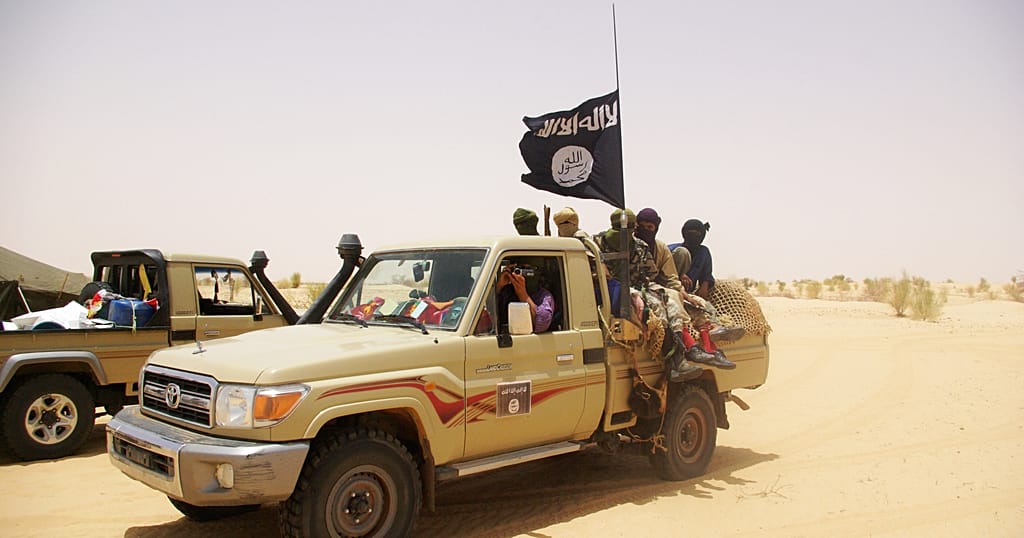
Since late April, militants from Al-Qaeda’s Sahel affiliate have established roadblocks along crucial routes leading into Bamako. Their actions include torching dozens of buses and commercial trucks, creating a climate of fear and severe transport disruption across the West African nation.
While the blockade remains partial, unsettling images of charred vehicles have effectively deterred many transport services from operating and prevented countless travelers from returning to their ancestral villages for the holiday.
In Mali, the Eid al-Adha celebration transcends mere religious observance. It stands as a vital social tradition, representing one of the few cherished opportunities for families, often dispersed for months due to work, to reunite and strengthen their bonds.
However, the usually vibrant bus terminals of Bamako, typically bustling with pre-holiday excitement, are now eerily quiet. Beyond the pervasive insecurity, widespread fuel shortages have further crippled the already struggling transport sector.
“We are not only grappling with a severe lack of diesel to keep our vehicles running, but we have also suffered significant losses, with several buses destroyed in recent incidents. This situation presents a devastating economic blow,” stated the proprietor of a local travel agency. Another transport company official lamented, “Normally, we would facilitate the travel of over 50,000 individuals from Bamako to other regions in the week leading up to Eid al-Adha. This year, we have cancelled all scheduled routes.”
For Wara Bagayoko, the tradition was always to load the family car and drive to Ségou, in central Mali, to celebrate together. This year, however, he will remain in the capital, as even private vehicles have become targets. “This marks the first time in three decades that I won’t celebrate in my village. The journey has simply become too perilous,” he explained. Oumar Diarra echoed this sentiment, adding, “Previously, a group of about twenty of us would travel together by motorbike to Sikasso in the south for the festivities. This year, we are staying put in Bamako.”
A few minibuses still manage to navigate into the city, often by utilizing less-traveled secondary roads or under the protection of military escorts, highlighting the extreme measures required for any movement.
Sheep scarcity impacts traditional sacrifice
The widespread transport disruptions are also severely hindering the livestock trade, which is absolutely crucial for the traditional Eid al-Adha sacrifice. Due to the blockade, herders and traders face immense difficulties in bringing their animals to Bamako, the nation’s primary consumer market.
Alassane Maiga, a transporter, revealed that the cost of transporting a single animal, typically ranging from 2,500 to 2,750 CFA francs (approximately 5 US dollars), has skyrocketed this year, now demanding between 15,000 and 18,000 CFA francs (26 to 31 US dollars).
Consequently, sheep have become both scarce and significantly more expensive in a country where the minimum monthly wage stands at a mere 40,000 CFA francs.
“Many trucks carrying sheep have been set ablaze by jihadists… Ordinarily, I would have over a thousand animals, but today, I have none,” recounted Hama Ba, a Bamako merchant. Iyi, desperately searching for an affordable sheep, added, “Sheep we once purchased for 75,000 francs are now selling for 300,000. Previously, there was an abundance of choice, but now, they have virtually vanished from Bamako’s markets.”
Daily life deteriorates with power and water shortages
The deepening security crisis is progressively eroding the quality of daily life for residents, as essential services within the city continue to degrade. Bamako is currently experiencing prolonged electricity outages and a severe scarcity of potable water, further exacerbating the challenges faced by its inhabitants.