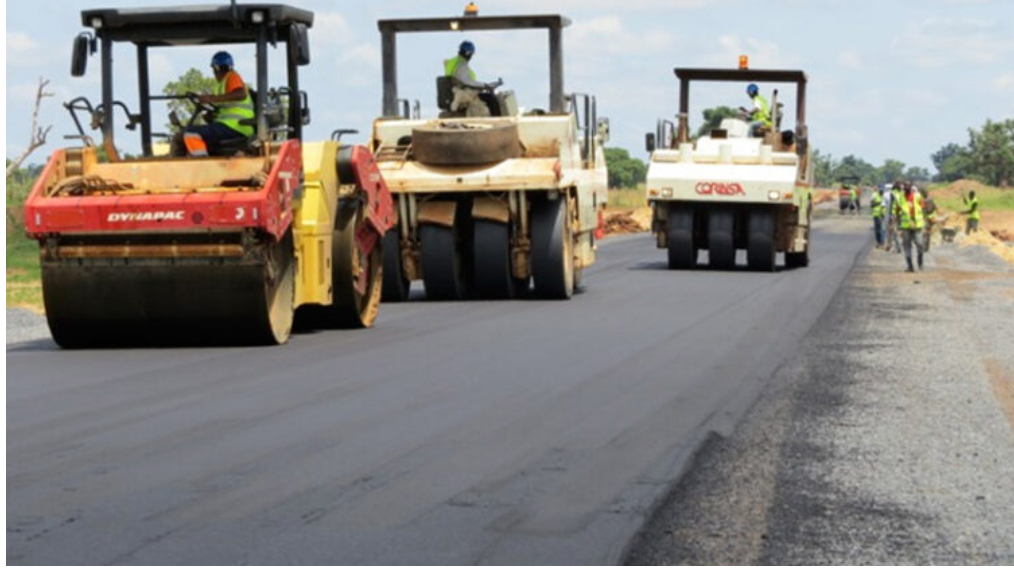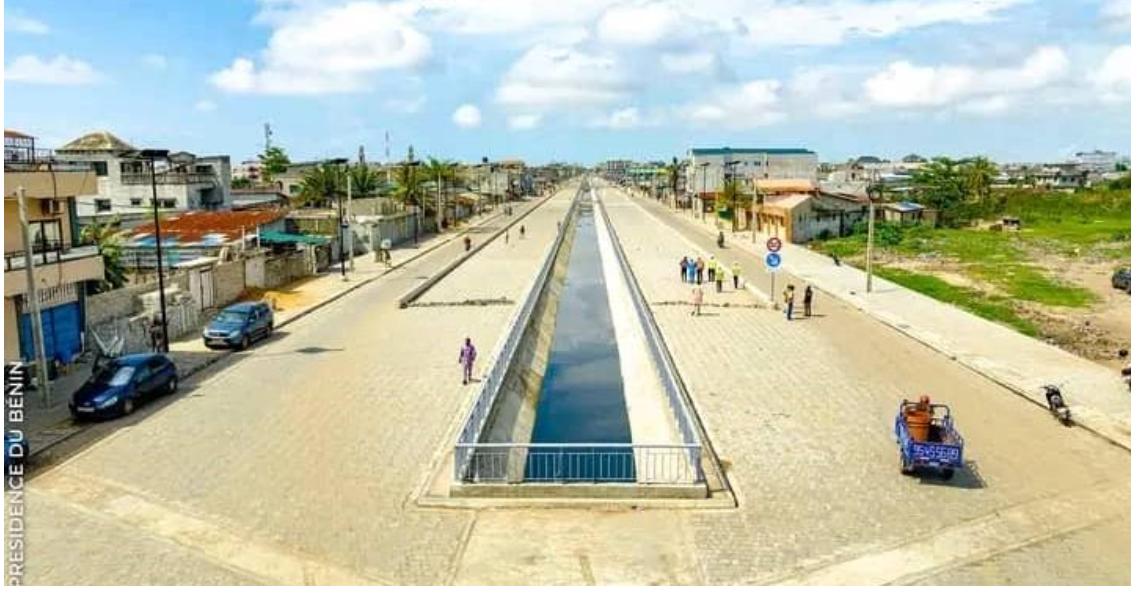
When reflecting on Patrice Talon’s impactful decade in office, one achievement stands out above all others: roads. Over ten years, the Beninese leader transformed the nation’s infrastructure, converting dusty paths into smooth asphalt arteries and patching potholes into modern thoroughfares. From bustling Cotonou to remote villages, his administration laid the foundation for progress beneath the feet of millions. As his presidency nears its end, it’s impossible to discuss his legacy without highlighting this monumental feat—one that redefined mobility, connectivity, and national pride across Benin.
a vision driven by necessity
In 2016, Patrice Talon inherited a country where crumbling roads crippled economic growth. His first realization was clear: without reliable transportation, there could be no prosperity. Trade stagnated. Healthcare and education remained out of reach for rural communities. Investors hesitated to engage with a nation bogged down by poor infrastructure. Talon’s response was decisive—a nationwide overhaul to connect people, markets, and opportunities. A decade later, the results speak for themselves.
over 2000 kilometers of asphalt: a decade of transformation
The numbers don’t lie. Official records confirm that Benin has gained more than 2,000 kilometers of paved roads under Talon’s leadership, with another 1,100 kilometers currently under construction. This expansion has brought countless benefits to everyday citizens. Families no longer endure suffocating dust storms or hazardous detours. Farmers transport goods without damaging vehicles. Children travel safely to school. Isolated towns have been linked to the broader economy, breathing new life into once-forgotten regions. The transformation is nothing short of revolutionary.
urban renewal through asphalt
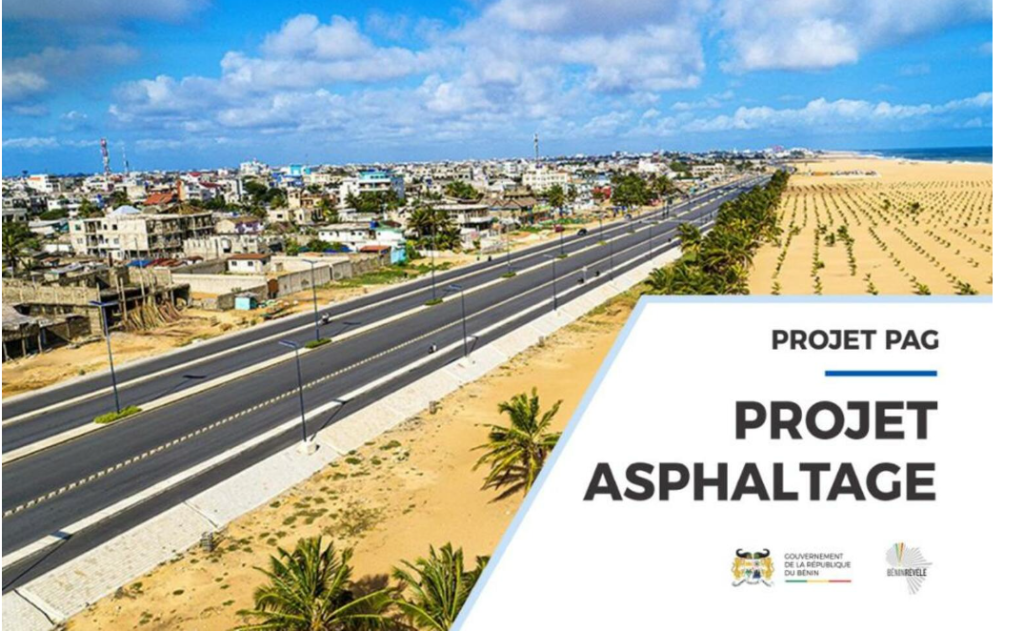
The Asphaltage initiative became the cornerstone of Talon’s infrastructure revolution. This ambitious program targeted major cities—Cotonou, Porto-Novo, Parakou, Abomey-Calavi, Djougou, Kandi, Ouidah, and beyond—reshaping their landscapes and restoring dignity to neglected neighborhoods. The impact is visible in every corner of these urban centers:
- No more potholes swallowing tires or monsoon floods trapping pedestrians.
- Clean, well-maintained streets where children play and merchants thrive.
- Faster emergency response times for ambulances and fire trucks.
- Boosted tourism as visitors discover Benin’s renewed urban beauty.
For the first time in generations, Beninois citizens can move freely through their cities without fear of getting stuck in mud or dust. It’s more than infrastructure—it’s a lifestyle upgrade.
connecting benin to the world
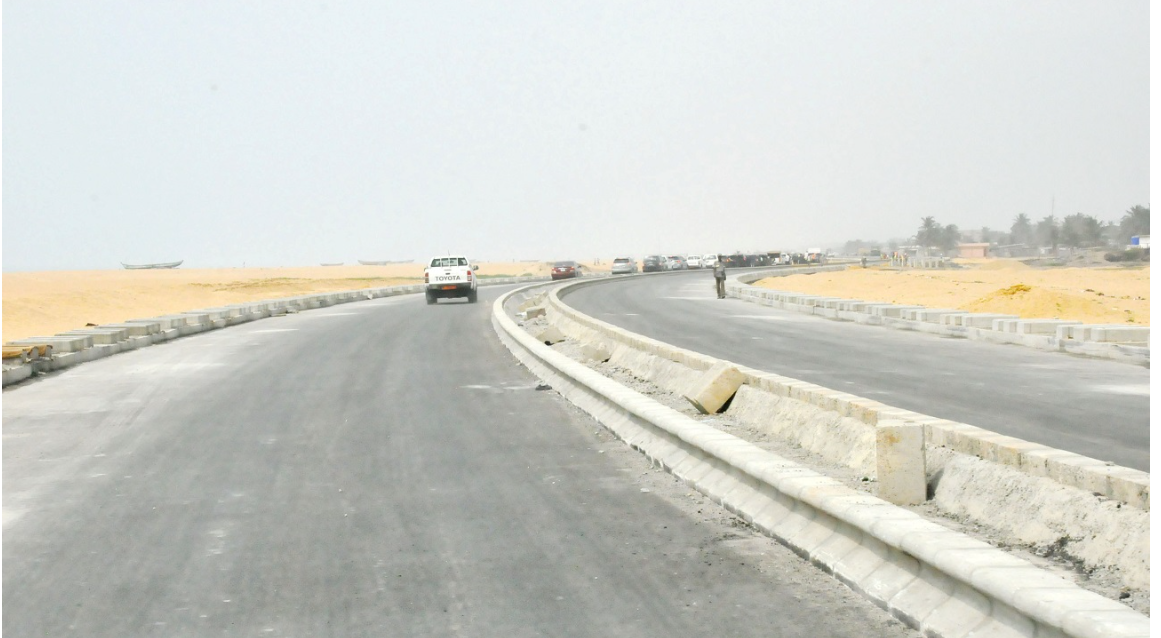
Talon’s ambitions extended far beyond city limits. He prioritized international corridors, most notably the Cotonou-Niamey highway, a lifeline for West African trade. Rehabilitated to handle heavy truck traffic, this route now facilitates the seamless flow of goods between Benin and Niger. The Fisheries Road, another flagship project, underwent extensive upgrades, including modern bridges and widened lanes to reduce congestion. Travel times that once stretched for hours now take minutes, positioning Benin as a pivotal trade hub in the region.
a cultural shift: from despair to pride
The most profound change, however, is psychological. Beninois citizens no longer complain about missing roads—they now eagerly anticipate which town will be next on the paving list. Pride has replaced frustration. Locals showcase their neighborhoods with newfound confidence, while international investors flock to a nation that visibly progresses. The message is clear: Benin is open for business.
Patrice Talon didn’t just build roads; he rebuilt lives. His legacy is etched into every kilometer of asphalt, every bridge, and every village now connected to opportunity. Under his leadership, Benin moved from isolation to integration, from hardship to hope. The bitumen laid during his tenure is more than a surface—it’s a symbol of progress. A symbol of dignity restored. A symbol of a nation marching forward with its head held high.
This is an inheritance that no future challenge can erase. It’s a permanent mark on Benin’s landscape—and in the hearts of its people.