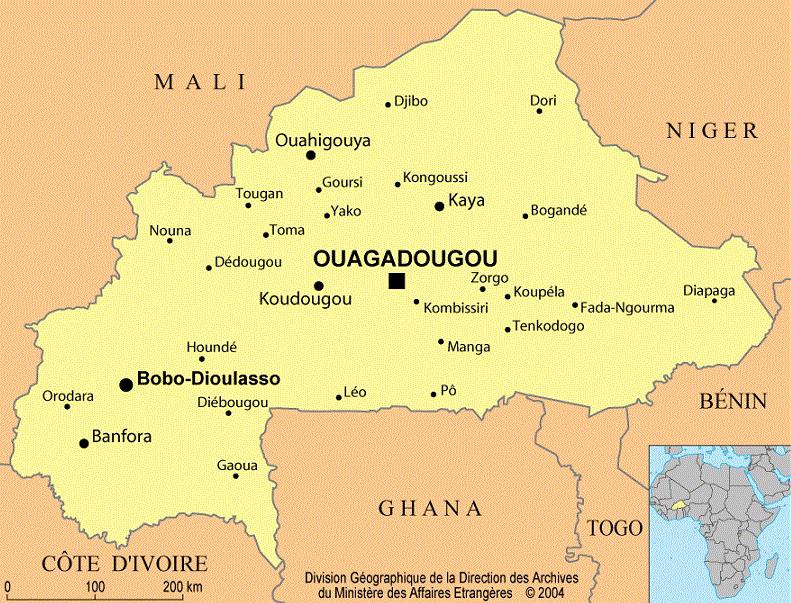
A wave of concern has swept across Burkina Faso, particularly within the Muslim community and civil society, following the mysterious disappearance of Imam Mahmoud Barro. This influential religious leader from Bobo-Dioulasso, the nation’s second-largest city, has not been seen since March 31st. A week after his last public appearance, swirling rumors of abduction and the unsettling silence from authorities have created a climate of deep apprehension regarding his fate.
An eerie quiet now hangs over Imam Barro’s neighborhood in Bobo-Dioulasso, where family members and close associates report having no contact with him for a full week. Consistent accounts from his inner circle suggest the respected cleric was ‘abducted’ by unknown individuals. While no group has claimed responsibility for the incident, the timing of this disappearance raises significant questions, contributing to the growing unease in the region.
A Critical Video: The Potential Catalyst?
Historically, Imam Mahmoud Barro was widely considered a key supporter of Burkina Faso’s transitional authorities. His previous public statements, often backing the military junta in power in Ouagadougou, solidified his position as a valuable ally within the country’s diverse religious landscape.
However, this period of apparent cooperation reportedly came to an abrupt end following a recent video posted on social media. In the footage, the Imam launched an uncharacteristically strong critique of the government’s proposed draft law designed to regulate religious practices across Burkina Faso. ‘He voiced legitimate concerns about freedom of worship, but his tone was exceptionally direct,’ revealed a local source, speaking anonymously. ‘Many interpreted this public stance as crossing a red line for those in power who tolerate no dissent.’
Escalating Tensions for Dissenting Voices
This alarming disappearance unfolds against a backdrop of heightened security and political tension in Burkina Faso, where reports of forced disappearances and extrajudicial arrests have become increasingly common nationwide. The case of Imam Barro is particularly striking, given his previous alignment with the official government narrative, making his sudden vanishing even more unsettling and amplifying concerns about human rights.
To date, security authorities in Burkina Faso have issued no official statements regarding Imam Barro’s whereabouts or the circumstances of his disappearance. In Bobo-Dioulasso, the initial anxiety is now giving way to mounting frustration. Both his devoted followers and prominent human rights organizations are urgently calling for full transparency and the immediate release of the religious leader, should he be found to be in state custody.
Burkina Faso, deeply embroiled in a complex struggle against terrorism, faces further internal instability as tensions escalate between the central government and influential moral authorities when public criticism emerges. The unresolved case of Imam Mahmoud Barro could prove to be a significant litmus test for social cohesion and stability, particularly within the critical Hauts-Bassins region.