
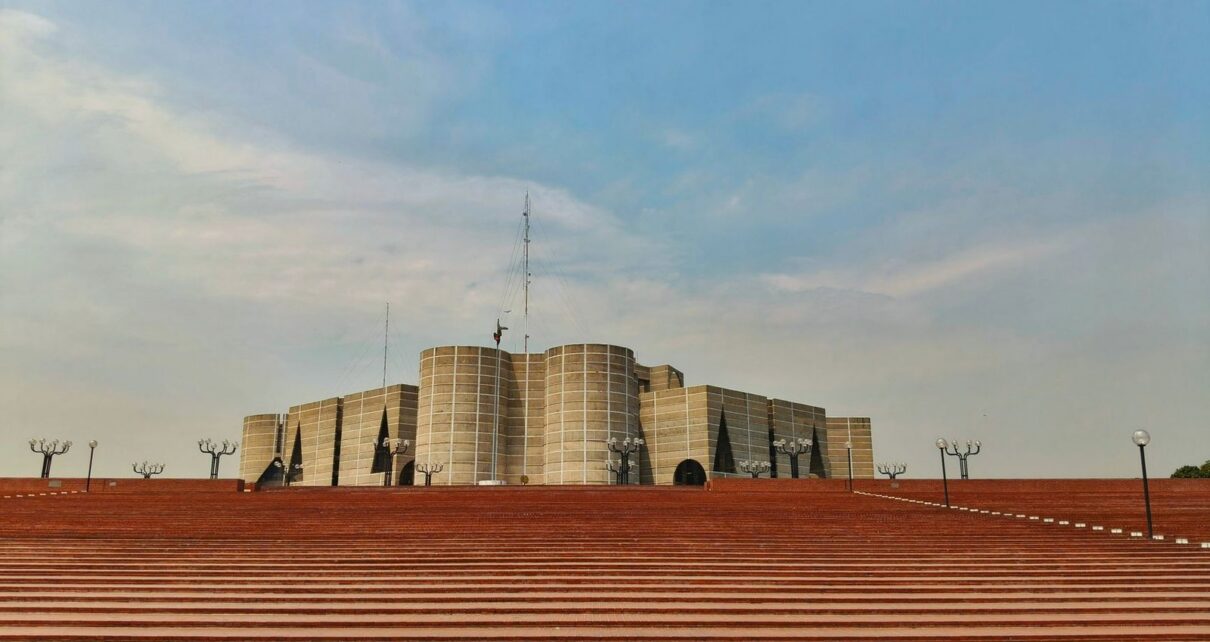
Bénin’s newly established Senate commenced its inaugural session today in Porto-Novo, officially ushering the nation into a bicameral parliamentary framework. This legislative body, conceived through a recent constitutional overhaul, now stands alongside the National Assembly, fundamentally reshaping Bénin’s institutional landscape. Its operational launch represents a significant milestone in one of President Patrice Talon’s most extensively discussed political initiatives during his current mandate.
This pivotal inauguration unfolds amidst a political environment still echoing with the aftermath of recent electoral contests and a significant reordering of the party system. Proponents within the executive branch argue that this bicameral structure will introduce a crucial second review of legislative proposals, moderate decisions from the National Assembly, and foster more comprehensive public discourse. Conversely, critics express concerns regarding the financial implications and the democratic appropriateness of adding an upper chamber in a nation with a population under thirteen million.
A re-envisioned institutional architecture
Historically, Bénin’s governance relied on a unicameral system, a legacy of the 1990 National Conference, widely regarded as a foundational element of West Africa’s democratic resurgence. This shift to bicameralism departs from that long-standing tradition, aligning Cotonou more closely with institutional frameworks prevalent in several regional states where a second chamber typically represents local communities, traditional leaders, or various intermediary groups. The newly formed Senate’s primary responsibility will involve a second review of all proposed legislation, promoting greater legislative stability.
The constitutional amendments, spearheaded by the ruling presidential majority, outline a Senate composition that blends indirectly chosen representatives with appointed individuals. The practical implementation of these selection methods, along with the length of senatorial terms and the exact relationship with the National Assembly, are aspects keenly observed by analysts of Béninese politics. Furthermore, the specific powers of this new chamber concerning budgetary allocations, constitutional affairs, and governmental oversight remain subjects of intense focus.
A political litmus test for the Talon administration
The inauguration of the Béninese Senate also serves as a crucial assessment of President Patrice Talon’s institutional reforms, particularly as his second term approaches its conclusion in 2026. The president has consistently positioned institutional restructuring as a core tenet of his agenda, complementing the significant economic initiatives outlined in the Government Action Program. While this new chamber could provide the executive with an additional platform to consolidate political stability, it simultaneously holds the potential to become an important arena for voices and perspectives that have previously found limited expression within the National Assembly.
Opposition political parties, which have faced significant marginalization due to stricter electoral participation regulations, are closely monitoring the operational launch of this second legislative body. The re-entry of groups such as Les Démocrates into the national parliament in 2023 had already initiated a shift in the dynamics of parliamentary discourse. The Senate’s new role could further intensify this political realignment, contingent on the backgrounds of the appointed senators and the degree of autonomy they will exercise in relation to the presidential majority.
Economic and diplomatic implications
From a budgetary perspective, establishing a second parliamentary chamber naturally entails increased operational expenditures. The Béninese government will need to present a clear justification for these costs to both international donors and its populace. Bénin, recognized for one of West Africa’s strongest economic growth trajectories, is keen on maintaining its sound financial reputation and its appeal to foreign investors. International partners, including the International Monetary Fund and the World Bank, will be carefully scrutinizing the alignment between this institutional overhaul and the nation’s commitment to fiscal prudence.
Diplomatically, Bénin’s ongoing democratic strengthening serves as a powerful testament to its stability, particularly within a West Africa insider news context marked by political disruptions across the Sahel region. Cotonou is committed to upholding its status as a dependable ally for the European Union, France, and the United States, concurrently broadening its collaborations with nations in the Gulf and Asia. The transparency and effectiveness of this new bicameral parliament will significantly shape international perceptions of Bénin’s institutional steadiness.
The coming months will reveal precisely how the new Béninese Senate integrates into the national legislative schedule, especially with the 2026 presidential elections drawing nearer. The chamber commenced its proceedings on Thursday, July 30.