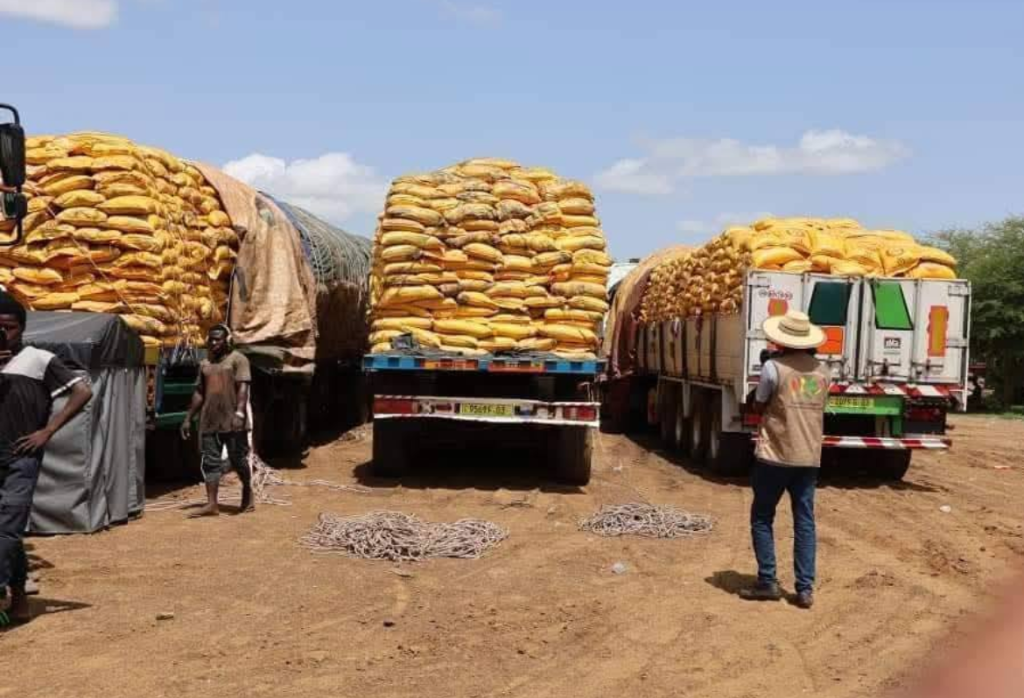
The Burkina Faso government, led by Captain Ibrahim Traoré, continues to face severe criticism as its promises of food sovereignty clash with the stark reality of a worsening hunger crisis. Despite bold declarations of self-sufficiency, the nation remains heavily dependent on humanitarian aid—most recently, a 2,422-ton rice shipment from Pakistan—to prevent mass starvation.
From Slogans to Survival: The Gap Between Promises and Reality
While Traoré’s administration touts a narrative of restored sovereignty, over 3.5 million Burkinabè citizens now rely on international food aid just to survive. The latest shipment from Islamabad is only the latest in a growing list of handouts, including contributions from China and Canada. These gestures, though framed as diplomatic goodwill, underscore the government’s failure to stabilize food security—a challenge now entering its fourth year since the MPSR assumed power.
A Broken Promise: Why Local Production Isn’t Enough
Despite the president’s rhetoric about making agriculture the backbone of his leadership, Burkina Faso’s food production has plummeted. The country now finds itself trapped in a cycle of dependency, forced to beg for rice from Asia and the West while its own fields lie fallow. The imported grain is being sent to the northern and eastern regions—areas still ravaged by conflict and cut off from normal trade networks.
The Human Cost: Hunger, Displacement, and a Failing System
Insurgency Paralyzes Agriculture and Displaces Millions
The junta has repeatedly blamed climate change for the food shortage, but experts point to structural failures driven by its own policies. A heavy-handed military approach and the blockade of rural communities by armed groups have devastated farming output. Over 2 million people have been displaced, transforming once-fertile farmland into barren wastelands. According to the Integrated Food Security Phase Classification (IPC), parts of the country are on the brink of Phase 4 (humanitarian emergency). The situation is dire, with more than 600,000 children facing acute malnutrition by year’s end.
Transparency Woes and Donor Distrust
Compounding the crisis is the government’s handling of aid. The rice donation from Pakistan was routed through the Ministry of Humanitarian Action, but international partners are raising alarms about distribution transparency. The militarization of crisis response and growing tensions with aid organizations have eroded trust. The 2026 Humanitarian Response Plan is only 18% funded—a clear signal that donors are losing faith in Ouagadougou’s leadership.
A Temporary Fix With No Long-Term Solution
With the rainy season approaching, the Pakistani rice shipment offers only temporary relief for a population pushed to its limits. For Traoré, the reckoning is coming. True sovereignty isn’t declared on national television; it’s built in fields that his government has failed to protect. A lasting solution remains out of reach as long as war rhetoric overshadows the urgent need to revive a shattered rural economy.