The narrative propagated by state-controlled media, portraying Burkina Faso as a flourishing « eldorado » under Captain Ibrahim Traoré’s leadership, appears increasingly detached from the country’s lived reality. While official discourse celebrates a purported « revolutionary progress » and rapid national transformation, the daily lives of many Burkinabè remain overshadowed by persistent insecurity, economic hardship, and unmet expectations for tangible improvements.
Promises unmet: the gap between rhetoric and reality
Since assuming power, Ibrahim Traoré has repeatedly pledged accelerated industrialization, territorial recovery, and a national rebirth. Yet, for a significant portion of the population, these commitments have yet to materialize in any meaningful way. While isolated infrastructure projects do exist, framing them as evidence of widespread development stretches credibility. The government’s insistence on an « endogenous development model » and a « prosperous nation in the making » warrants careful scrutiny, particularly given the country’s ongoing struggles.
Security and humanitarian crises overshadow progress
Insurgency and displacement
Despite official assurances of stability, Burkina Faso continues to grapple with a severe security crisis. Violent attacks persist across multiple regions, displacing thousands of families who flee to safer zones or neighboring countries in search of refuge. These mass displacements underscore the enduring threat posed by armed groups and the limitations of state authority in certain areas.
Humanitarian fallout
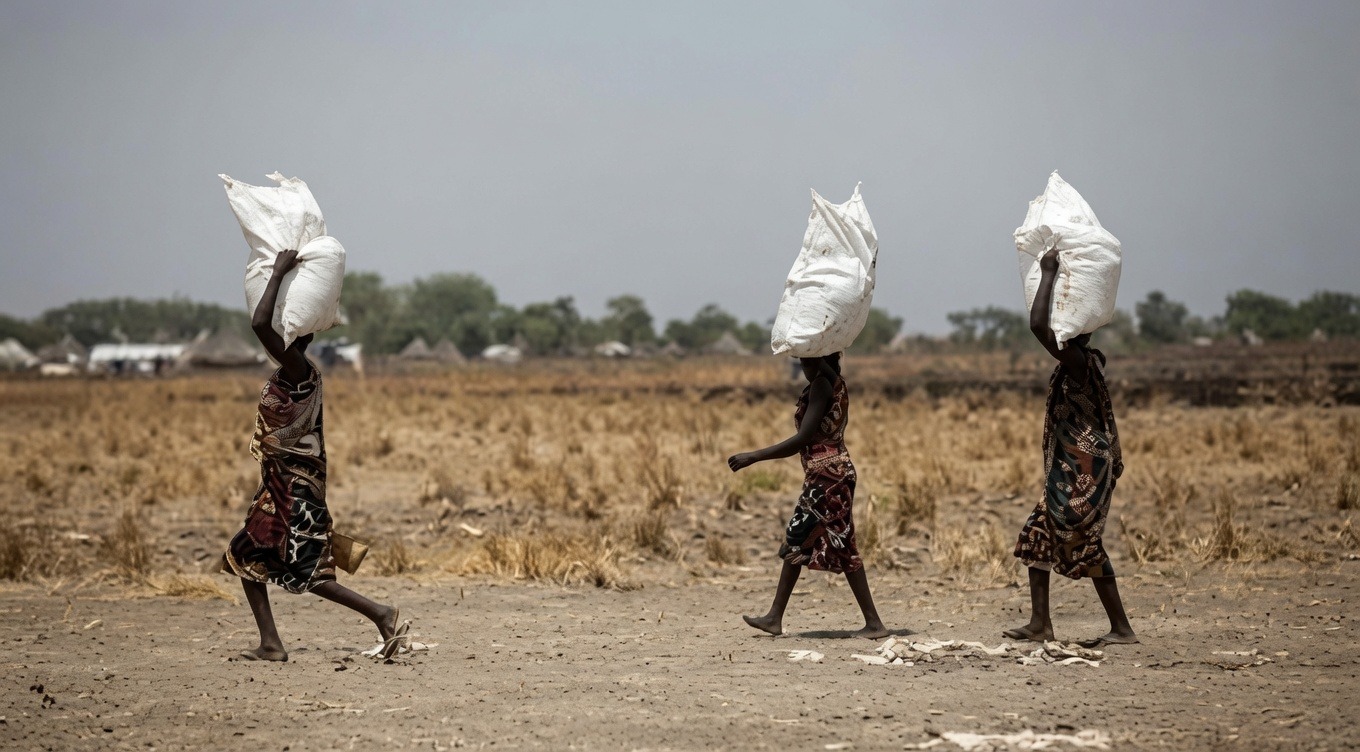
The consequences of prolonged violence extend far beyond physical insecurity. In the most affected localities, access to essential services—food, healthcare, and clean water—remains severely constrained. Agricultural disruptions, supply chain breakdowns, and restricted humanitarian access have exacerbated food insecurity, leaving thousands of households in precarious conditions. In areas where security forces operate at reduced capacity, civilians face extreme vulnerability, often relying on sporadic aid deliveries for survival.
Public sentiment: from hope to skepticism
While Ibrahim Traoré’s sovereignist rhetoric and ambitious declarations initially garnered strong support, growing disillusionment is becoming evident. Many Burkinabè now prioritize concrete improvements—security, employment, economic stability, and functional public services—over lofty political slogans. The erosion of public confidence suggests that citizens are increasingly dismissive of declarations that fail to translate into tangible benefits.
The challenge of governance and measurable results
Statements emphasizing Burkina Faso’s departure from past challenges—such as Traoré’s claim that « the current context is no longer that of 1987 »—are framed within a broader narrative of Sahelian sovereignty through the Alliance of Sahel States (AES). However, this discourse does little to address pressing concerns regarding governance, economic performance, or security effectiveness. Analysts argue that the true test of leadership lies not in political posturing but in delivering measurable improvements that directly enhance the well-being of citizens.
Conclusion: A narrative versus national reality
Presenting Burkina Faso as an « eldorado » reflects a deliberate effort to craft a favorable image of leadership rather than an accurate reflection of the nation’s circumstances. Without verifiable progress in the daily lives of its people, such messaging risks deepening public skepticism, as citizens demand tangible outcomes over empty promises.