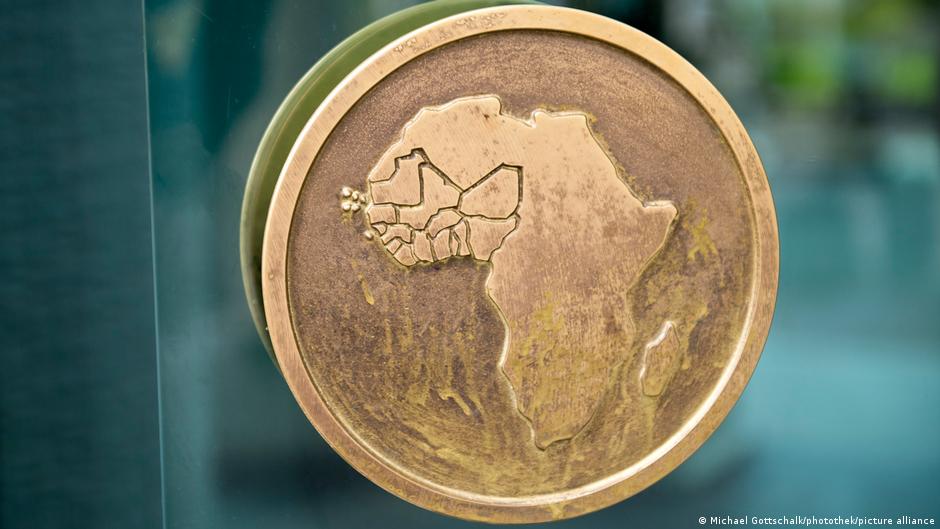
West African leaders gather in Freetown as AES nations remain absent
The 69th summit of the Economic Community of West African States (ECOWAS) is underway in Freetown, Sierra Leone, at a critical juncture for the regional bloc. As ECOWAS convenes, it finds itself without three key members: Niger, Mali, and Burkina Faso, which now form the Alliance of Sahel States (AES). The significant implications of this separation for West Africa insider news and Sahel politics will undoubtedly be a central topic, as the organization seeks to bolster its image and address pressing security challenges.
Charting a future without Mali, Niger, and Burkina Faso
Beyond the symbolic impact, West African leaders face a fundamental question: how to redefine the future trajectory of ECOWAS following the departure of Mali, Burkina Faso, and Niger, now aligned within the Confédération des États du Sahel (Confederation of Sahel States)? This situation demands careful Sahel analysis English perspectives.
Even with their formal withdrawal, these three nations remain indispensable neighbors. Heads of State are expected to explore avenues for continued dialogue, aiming to safeguard crucial aspects such as commercial exchanges, the free movement of people, and, critically, security cooperation against a transnational terrorist threat. Such discussions are vital for Mali Burkina Niger analysis within the broader regional context.
Aliou Diakite, an expert on ECOWAS affairs, underscores the immense stakes. He emphasizes the necessity to “discuss the future of ECOWAS and the governance and security challenges currently confronting the ECOWAS space. This includes organized crime linked to terrorism, political transitions during elections, climate change, and various epidemics and pandemics. These are the pressing issues compelling heads of state and government to deliberate on the future of ECOWAS in the coming years.”
The long-awaited standby force: still not operational
Numerous topics of vital interest to West African populations frequently appear on summit agendas, yet some remain unresolved for years.
A prime example is the ECOWAS Standby Force. Announced years ago but never fully operational, this regional force is envisioned as a rapid response mechanism against terrorism, political crises, and threats to regional stability. Its operationalization is a key component of effective Sahel politics and security strategies.
Preparatory meetings involving ministers and security officials held in Freetown this week signal a renewed commitment from several member states to accelerate its implementation.
Michel Ange Bangoura, a Guinean official responsible for cooperation with ECOWAS, notes, “On the institutional front within ECOWAS, everything is in order on paper. What remains is to secure the necessary resources for its deployment, establish a headquarters, and ensure each country contributes at least a company.”
When questioned about a potential timeline for the force’s establishment, Michel Ange Bangoura responded, “I believe that during our current discussions in this session, the topic of a short-term deployment of said force will be addressed, even if it’s just the assembly of troops in a designated country.”
The summit is also tasked with examining institutional reforms within ECOWAS and the imperative to restore the organization’s credibility after several years marked by political crises and coups d’état across the region.