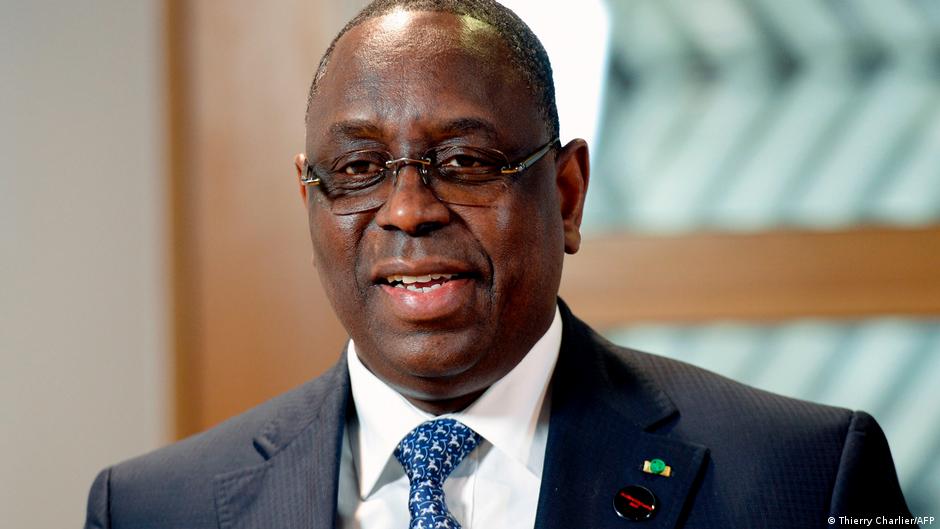
Why the Diomaye Faye/Macky Sall meeting is sparking controversy
In Senegal, the planned meeting between President Bassirou Diomaye Faye and his predecessor Macky Sall has triggered outrage among the families of victims who suffered political repression during Sall’s administration. These families decry the visit, emphasizing that it occurs while they continue their arduous wait for justice and reparation.
What fuels this controversy? What potential repercussions could this meeting have on Senegal’s political landscape? To shed light on these critical questions, political analyst Assane Samb offers his insights. He first addresses the fundamental meaning of this high-profile encounter within Senegal’s current political climate.
Interview with Assane Samb
Assane Samb describes the meeting as one that was anticipated, despite the vocal objections from certain quarters.
Given Macky Sall’s current candidacy for the position of United Nations Secretary-General, it was deemed inconceivable for his nomination to be exclusively championed by other African nations, such as Burundi. The involvement of the Chinese President, who played a crucial role in this process, created a favorable context for bridging differences and smoothing over any tensions.
The question arises: Why is this visit generating such strong reactions, particularly from victims’ associations and segments of civil society?
This controversy is inextricably linked to a specific period in Senegal’s recent history, spanning from 2021 to 2024. During this time, the nation witnessed intense street confrontations between protestors and security forces. What transpired was, in essence, a populace engaged in a dynamic of revolutionary change.
Many organizations, including Amnesty International, contend that responsibility lies with the former President, as he was the guarantor of public security and the exercise of fundamental liberties, including the right to protest. This raises a crucial question for President Bassirou Diomaye Faye: Is he currently caught in a dilemma between the diplomatic imperatives of the state and the justice demands of his political base?
While still a member of Pastef, President Faye harbored considerable apprehension about openly endorsing Macky Sall. However, having since distanced himself from those ties, he no longer faces such constraints.
To what extent might Macky Sall’s bid for the UN Secretary-General position further polarize the political discourse within Senegal?
In reality, the underlying calculations extend beyond the immediate concerns of the victims, often referred to as ‘martyrs.’ What truly drives public apprehension is the fear of Macky Sall’s potential return, fueled by complex political considerations.
What might be the wider effects of this meeting, both on the process of national reconciliation and on Senegal’s international image?
Internationally, this meeting is expected to be largely welcomed, particularly by various African heads of state. Domestically, however, it is clear that the bipolarization of Senegal’s political arena will only intensify as a result.