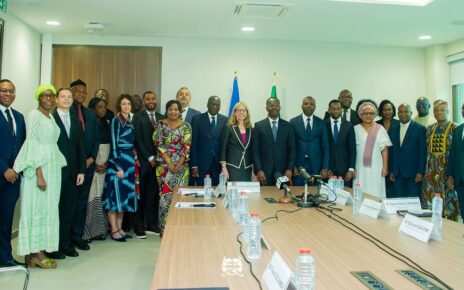

Gabon ends EU fishing accord over sovereignty concerns
The Gabonese government has officially terminated its long-standing fishing agreement with the European Union, marking a decisive shift in the country’s resource management strategy. This move underscores Libreville’s commitment to asserting full control over its maritime zones and aligning with growing regional trends favoring economic independence.
Key reasons behind the decision
The termination reflects multiple strategic priorities. First, Gabon seeks to maximize revenue from its fishing industry by eliminating what officials describe as unequitable financial arrangements embedded in the EU accord. Second, the government aims to strengthen domestic fishing capacity, reducing reliance on foreign fleets that currently dominate regional waters. Third, the decision aligns with broader efforts to reclaim national sovereignty over marine resources, a policy direction increasingly embraced across West and Central Africa.
Industry observers note that the termination comes after months of intense negotiations failed to yield mutually acceptable terms. Gabonese authorities insisted on revised financial contributions from the EU, as well as stricter regulations on vessel operations within its exclusive economic zone. These demands were ultimately deemed incompatible with the existing framework.
Economic and ecological implications
The abrupt end of the agreement raises critical questions about the future of Gabon’s fishing sector. While the government anticipates long-term gains from domestic fleet expansion, short-term disruptions are inevitable. Local fishing communities, particularly in Port-Gentil and Libreville, may face temporary job losses as European vessels withdraw. However, officials argue that these sacrifices will pave the way for sustainable growth once Gabonese operators fill the operational void.
Environmental advocates have cautiously welcomed the decision, citing the need for stricter oversight of industrial fishing. The EU accord had been criticized for enabling overfishing in Gabon’s waters, with environmentalists warning of irreversible damage to marine ecosystems. Gabon’s new approach emphasizes sustainable quotas and enhanced monitoring, signaling a potential model for neighboring nations grappling with similar challenges.
Regional echoes and future outlook
Gabon’s decision resonates across the Gulf of Guinea, where several countries are reevaluating their own fishing partnerships. Senegal and Côte d’Ivoire have recently adopted tougher stances on foreign fishing fleets, while Mauritania continues to renegotiate terms with international partners. Gabon’s move could accelerate this trend, particularly as nations seek to leverage their maritime resources amid global food security concerns.
For the European Union, the termination represents a setback in its efforts to maintain influence in Africa’s fisheries sector. Brussels had positioned the accord as a cornerstone of its blue economy strategy, but Gabon’s withdrawal suggests a growing reluctance among African partners to accept terms perceived as exploitative. The incident may prompt the EU to reconsider its approach to future agreements, prioritizing fairness and mutual benefit over historical dominance.
What happens next?
- Immediate withdrawal: European fishing vessels operating under the old accord must cease activities within Gabon’s waters by the end of the quarter. Authorities have announced strict enforcement measures to prevent illegal fishing.
- Transition plan: The government is finalizing a five-year roadmap to bolster Gabonese fishing enterprises, including subsidies for vessel acquisitions and training programs for local crews.
- New partnerships? While Gabon remains open to negotiations, any future accords will likely demand significantly higher financial commitments from foreign partners, with stricter environmental and labor standards.
As Gabon charts this new course, the termination of the EU accord serves as a powerful statement of intent. The country is not merely rejecting an agreement—it is reshaping the future of its maritime economy, one that prioritizes national interests, environmental stewardship, and economic resilience.