Russia’s expanding military footprint in Libya has become a focal point of concern across North Africa and the Sahel. Satellite imagery and field reports confirm that Moscow is significantly enhancing its presence in six key air bases, deploying advanced weaponry, drones, and personnel that extend its influence far beyond traditional borders.
Strategic bases fueling Russian operations
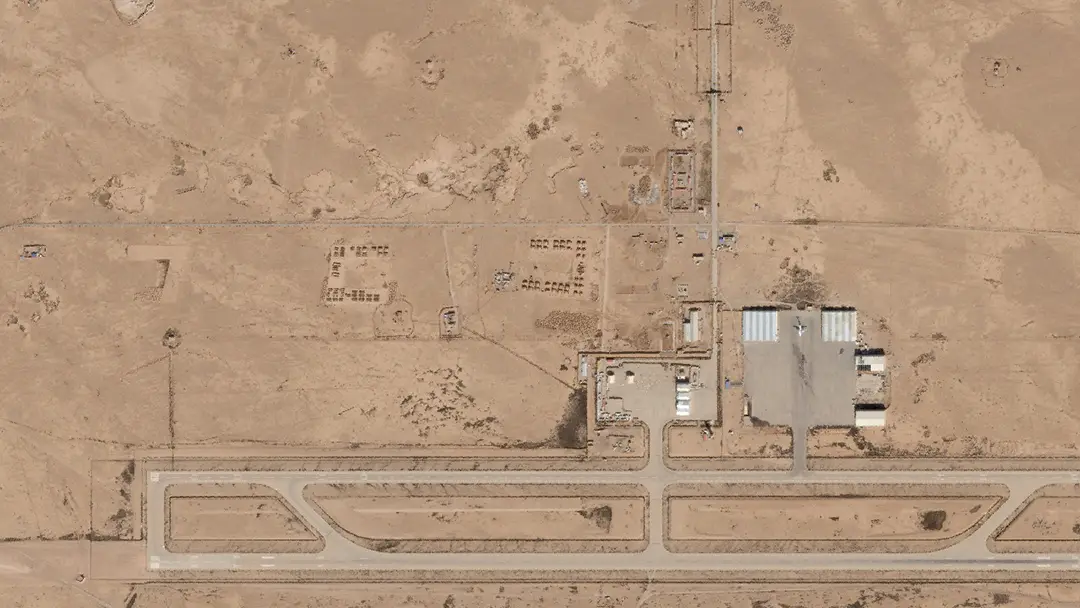
Among the most critical installations are Al-Joufra, Al-Khadim, Al-Qardabiyah, Brak Al-Shati, Maaten al-Sarra, and Tamenhant — each serving as a hub for logistics, troop movements, and arms transfers. These bases host a mix of air defense systems, MiG-29 fighter jets, and unmanned aerial vehicles, alongside Russian military personnel and mercenaries. Recent upgrades include expanded hangars, upgraded runways, and new perimeter defenses, particularly at Al-Qardabiyah and Brak Al-Shati.
Maaten al-Sarra: a gateway to the Sahel
The Maaten al-Sarra air base, strategically positioned near the borders of Chad and Sudan, has emerged as a linchpin in Russia’s regional strategy. Once abandoned after 2011, the base was revitalized in late 2024 with the deployment of Syrian troops and Russian technicians. Analysts suggest it now serves as a covert transit point for weapons shipments into Burkina Faso, Mali, and Sudan, bypassing international oversight. The infrastructure overhaul included restored runways and storage facilities, enabling rapid deployment of personnel and matériel.
Tobrouk’s port and air base: a new Russian foothold
Efforts to secure a Libyan port and air base in Tobrouk have intensified, marking a shift in Moscow’s approach. After initial setbacks, Russian strategists have redirected focus toward inland bases, leveraging existing networks to consolidate control over eastern Libya. This pivot underscores the Kremlin’s long-term ambition to establish a permanent military presence in the region.
Al-Khadim: a logistics hub with regional reach
Located approximately 100 km east of Benghazi, Al-Khadim has evolved into a multifunctional operations center. Recent expansions include additional hangars, recreational facilities, and what appears to be a communications tower and temporary housing. Reports indicate the base has also served as a transit point for arms deliveries to Sudan, particularly to the paramilitary Rapid Support Forces during the country’s civil conflict. Geospatial tracking further confirms the presence of Russian officers, including a motorized rifle division commander, deployed at the site.
Wagner’s legacy and the Africa Corps transition
The once-dominant Wagner Group — now reorganized under the banner of the Africa Corps — has long utilized Tamenhant air base in southern Libya for military operations and arms trafficking into Sudan. Recent satellite analysis reveals ongoing construction, including new housing blocks, renovated roads linking hangars to runways, and runway modifications. These developments suggest a sustained effort to enhance operational capacity and logistical efficiency.
Analysts warn that Russia’s growing influence in Libyan air bases is not only reshaping the country’s security landscape but also complicating efforts toward national unification. The presence of foreign troops and armed groups continues to hinder peace initiatives, with factions backed by external powers resisting disarmament and reconciliation. As Moscow deepens its footprint, the risk of prolonged instability in Libya and spillover effects across the Sahel region grows increasingly pronounced.