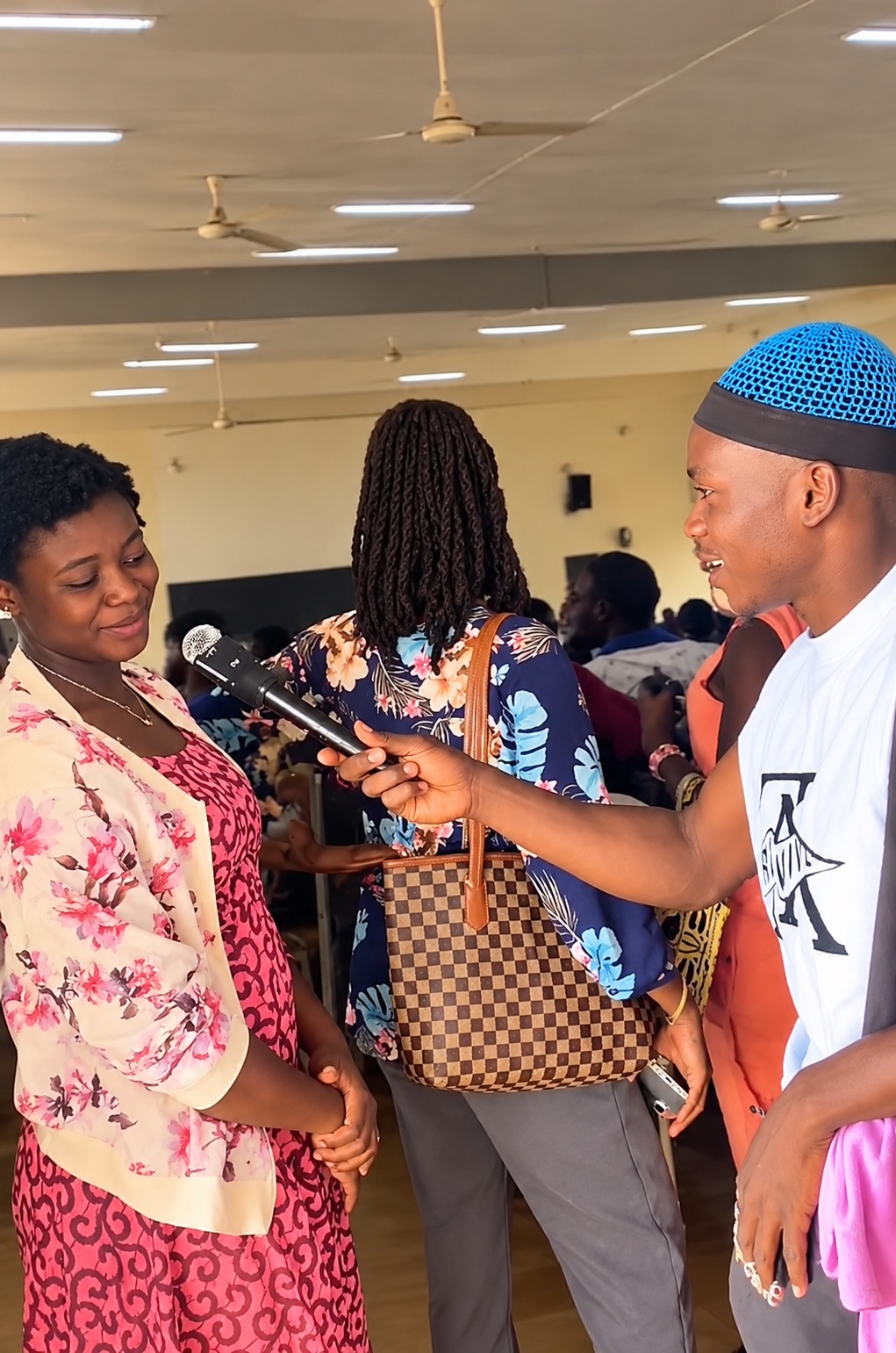
What do Burkina Faso students really experience in university classrooms?
Burkina Faso’s public universities are facing a growing crisis: overcrowded lecture halls, insufficient infrastructure, and limited access to courses. While government officials publicly highlight modernized campuses and expanded educational opportunities, students on the ground paint a starkly different picture. The question now looms large how reliable are these political promises when they clash with daily academic hardships?
Why did many students return home expecting better conditions?
For Burkinabè high school graduates, choosing to study domestically is often driven by a sense of national duty. In addition to staying close to family, many believed in the government’s vision of revitalized universities capable of meeting the rising demand for higher education. Official communications recently amplified by supporters of Ibrahim Traoré have emphasized newly built, well-equipped lecture halls and modern facilities meant to accommodate growing student populations without the overcrowding issues seen in neighboring countries.
Yet, upon returning, many students have encountered a harsh reality. Lecture halls packed beyond capacity, struggles to secure class attendance, inadequate seating, and persistent delays in academic schedules have left a growing number feeling misled. The gap between rhetoric and reality raises critical concerns about whether these institutions can truly provide the quality education needed to drive Burkina Faso’s development.
Official data reveals systemic shortfalls in higher education
Official statistics from mid-2023 paint a sobering picture of the situation. According to a report presented to the transitional legislative assembly, Burkina Faso’s public universities enrolled over 190,000 students, yet had fewer than 90,000 designated classroom seats. This imbalance highlights a fundamental challenge: constructing new buildings alone cannot resolve the crisis if capacity remains insufficient.
The data also revealed a student-to-teacher ratio of 109:1 far exceeding the recommended standard of 25 students per educator. Other documented issues included outdated infrastructure, governance inefficiencies, delayed academic calendars, and unreliable internet access. These persistent problems suggest that the modernization narrative may be more aspirational than practical at this stage.
What do these figures mean for students?
For many, the statistics reflect daily struggles: fighting for a seat, limited access to course materials, and inconsistent instruction. Without sufficient infrastructure, equipment, or faculty support, even newly constructed buildings may do little to improve the learning experience. The discrepancy between official statements and lived experience is fueling skepticism among students who once had faith in the system.
From hope to disillusionment: the cost of unmet expectations
The decision to study in Burkina Faso is often rooted in patriotism or a desire to contribute to national progress. When students invest their time, effort, and family resources into this choice, only to face overcrowded classrooms and inadequate learning environments, the emotional and academic toll can be significant. While not every returnee may have been influenced solely by government promises, the contrast between stated intentions and on-the-ground conditions fuels widespread frustration.
Students are not demanding flashy announcements; they need functional lecture halls, adequate seating, qualified instructors, and consistent access to courses. The credibility of the government hinges not on the volume of its statements, but on its ability to deliver tangible improvements.
Can modern infrastructure alone solve the crisis?
Government communications frequently emphasize new buildings, updated facilities, and technological integration as signs of educational progress. However, a modern campus with empty seats or unoperational equipment does little to serve students. Real transformation demands more than structural upgrades it requires proportional increases in faculty, improved scheduling, reliable utilities, and clear academic policies.
For example, a recently built lecture hall may remain underutilized if enrollment numbers continue to exceed capacity. Similarly, a university might boast advanced laboratories, yet lack qualified instructors to guide students. Until these structural imbalances are addressed, even the most impressive infrastructure will fail to meet the needs of a growing student body.
Accountability, transparency, and realistic change
As the government continues to tout Burkina Faso’s educational advancements, skepticism grows among students and families. To restore confidence, authorities must move beyond rhetoric and provide clear, verifiable data. How many additional seats have been created? Which campuses have seen measurable improvements? What is the current student-to-teacher ratio per department? And most importantly how are these changes benefiting learners in real time?
Without transparency, the risk remains that educational policy becomes little more than political messaging. A responsible administration recognizes challenges, communicates delays openly, and sets realistic timelines for improvement. Students deserve honest assessments, not assurances that outpace reality.
What does the future hold for Burkina Faso’s university students?
The path forward must prioritize action over announcements. The youth of Burkina Faso represent the nation’s future scientists, engineers, teachers, and leaders. Their education cannot be reduced to a symbolic policy or a campaign slogan. To build a sustainable higher education system, the government must invest not only in bricks and mortar, but in human resources, academic governance, and student welfare.
Ultimately, Ibrahim Traoré’s leadership will be judged not by the number of speeches delivered about university modernization, but by whether students can secure a seat in class, access learning materials, and receive instruction from qualified educators all within a timely and respectful academic framework. Until then, the gap between promise and reality will continue to widen, threatening both educational quality and public trust.
By AMINA SALEY — Journalist