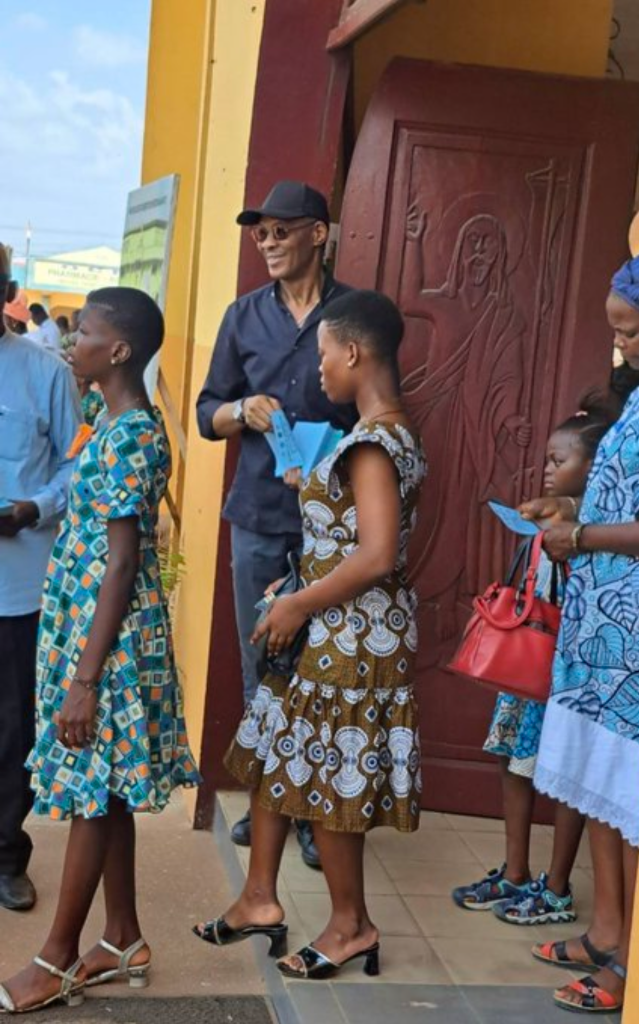
Nathaniel Olympio’s call to action amid economic and political tensions
As citizens of Togo grapple with the weight of a rising cost of living and unreliable electricity, opposition leader Nathaniel Olympio has launched a bold campaign to challenge President Faure Gnassingbé’s administration. With the ‘Patriotic Warning Day’ set for November 20, 2026, the movement is gaining momentum as citizens prepare to voice their frustrations over the government’s handling of economic and social crises.
Economic hardship fuels public anger in Togo
One of the most pressing concerns driving the opposition is the escalating cost of living. Essential goods and services have become increasingly unaffordable, placing a heavy burden on households, particularly those with limited incomes. Nathaniel Olympio argues that the government’s failure to address these economic pressures has deepened public resentment, with workers and small businesses bearing the brunt of rising prices.
The frustration is palpable. Many Togolese feel that their purchasing power is shrinking, while salaries and wages fail to keep pace with inflation. This economic strain has become a rallying cry for opposition groups, who view it as a clear indicator of mismanagement and a lack of accountability within the government.
Electricity cuts: a daily reminder of governance failures
Beyond economic woes, frequent power cuts have further eroded public trust in the government’s ability to provide basic services. These disruptions disrupt daily life, cripple businesses, and expose the fragility of Togo’s infrastructure. The opposition blames the energy sector’s inefficiencies, pointing to the state-run Compagnie Énergie Électrique du Togo (CEET) as emblematic of systemic governance issues.
Calls for transparency are growing louder. Advocates insist that only a well-managed and accountable energy sector can meet the nation’s needs. For Nathaniel Olympio, the electricity crisis is not just an inconvenience—it’s a symptom of deeper failures in governance that demand urgent attention.
Social injustice and political abuses under scrutiny
The opposition’s criticism extends beyond economics to the very core of Togo’s political system. Nathaniel Olympio has repeatedly highlighted what he describes as systemic injustices—allegations of political detentions, forced exile, and a lack of democratic accountability. These grievances resonate with many Togolese who feel disenfranchised by a system that prioritizes power retention over the needs of the people.
The movement’s leaders argue that the regime has strayed from its democratic obligations, fostering an environment where public dissent is suppressed rather than addressed. This narrative has galvanized support among civil society groups, who view the upcoming protests as a chance to demand systemic change.
The 2024 constitutional reform: a controversial legacy
At the heart of the opposition’s grievances is the 2024 constitutional reform, which critics argue was designed to prolong President Faure Gnassingbé’s grip on power. The changes have sparked widespread debate, with opponents condemning what they see as an erosion of democratic norms and a concentration of executive power.
The reform has intensified political divisions, with many Togolese questioning whether the president’s long tenure has stifled opportunities for real change. The opposition is demanding a return to a constitutional framework that prioritizes democratic alternance and aligns with the aspirations of the people—an issue likely to dominate the November 20 mobilization.
What’s next for Togo’s opposition movement?
The ‘Patriotic Warning Day’ on November 20 is not just a protest—it’s a strategic step toward a broader push for political transition. Organizers are urging Togolese to halt daily activities in a show of national discontent, setting the stage for a potential political upheaval. Should the mobilization gain traction, it could pave the way for inclusive national dialogues and reforms in early 2027.
The stakes are high. Will Togo’s citizens unite behind Nathaniel Olympio’s call for change, or will the government manage to weather yet another wave of public discontent? One thing is certain: by centering the debate on economic hardship, electricity failures, social injustice, and constitutional grievances, the opposition is setting the stage for a pivotal moment in the country’s political future.