Fleeing danger only to face a new crisis: the dilemma of Burkinabè miners
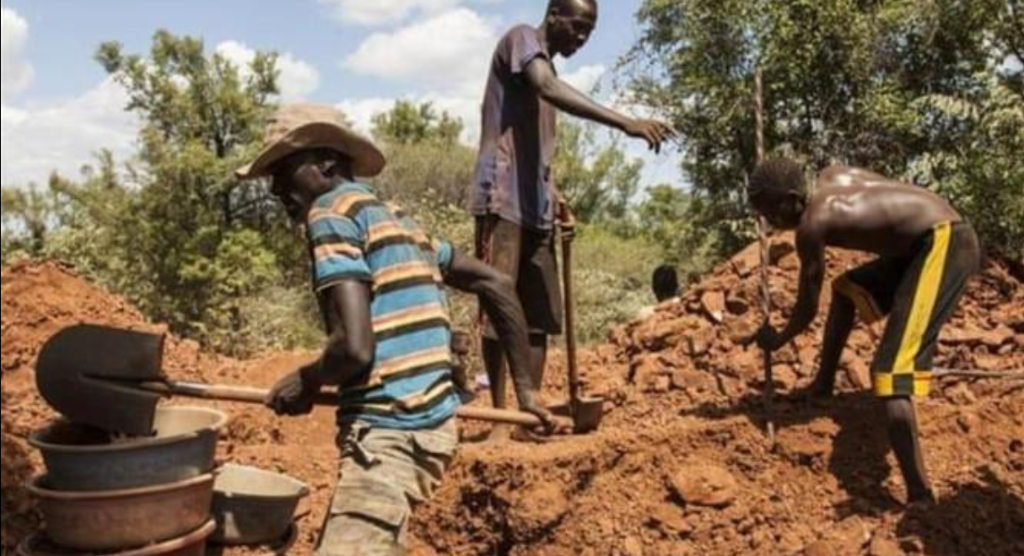
Thousands of Burkinabè artisanal miners faced a harsh reality after being expelled from Guinea. Once seeking survival amidst insecurity and violence in their home country, they now return to Burkina Faso—a nation still grappling with terrorism, mass displacement, and economic hardship. Without stable reintegration solutions, their forced return raises pressing questions: Will these men find safety? And what future awaits them in a country where the same crises persist?
Why did Burkinabè miners leave—and why did they go to Guinea?
The exodus of Burkinabè miners to Guinea was never just about seeking fortune. For many, it was a desperate measure to escape a multi-faceted crisis in Burkina Faso. Over recent years, jihadist attacks have ravaged rural areas, displacing communities and crippling local economies. Reports of abuse by state-backed forces, including the Volunteers for the Defence of the Homeland (VDP), have further deepened fear and insecurity in certain regions.
Unable to make ends meet at home, some chose migration to Guinea—a country rich in gold reserves, particularly in the Siguiri region. Despite grueling work conditions, these miners found a way to support their families and send remittances back to Burkina Faso. But now, after abrupt expulsions enforced by Guinean authorities targeting undocumented foreign miners, their fragile livelihoods have vanished.
Expulsions in Guinea: survival lost, but what comes next?
The sudden loss of income is only the beginning of their ordeal. Many returnees arrive with little or no savings. Some face the harrowing possibility of returning to villages still under threat from armed groups. Homes may be destroyed. Agricultural land could be inaccessible. And for those already displaced within Burkina Faso, the challenge is even greater: where can they go? Urban centers and displacement sites are already overstretched, with limited access to jobs, food, housing, and social services.
Without immediate support, these miners—and their families—risk slipping into deeper vulnerability. The question is no longer just about returning home, but about surviving once they get there.
From expulsion to recruitment: could poverty push some into extremism?
While poverty does not inevitably lead to radicalization, the conditions facing these returnees are alarmingly conducive to exploitation. With no source of income, no land to farm, and no stable community, some may become targets for recruitment by armed groups. These groups often prey on despair, offering financial incentives, false promises of protection, or narratives of resistance against the state.
A young man with no future, no hope, and no safety net may see no other path. Though not all will succumb to such pressures, the risk is real—and in a country already battling insurgency, even a small increase in recruitment could have outsized consequences.
Can Burkina Faso turn this crisis into an opportunity for change?
The return of these miners is not merely a migration issue—it’s a humanitarian and security challenge that demands urgent action. Authorities must go beyond simply registering returnees. They need to assess individual situations: Who can safely return home? Who remains displaced? Who needs immediate assistance?
Short-term measures could include food aid, temporary cash transfers, vocational training, and access to income-generating activities. Long-term solutions require collaboration with local governments, humanitarian organizations, and development partners to rebuild resilient livelihoods in affected areas.
Diplomatic dialogue with Guinea must also continue—ensuring that future expulsions—if any—are conducted with respect for human dignity and migrant rights. But above all, Burkina Faso must ask itself a fundamental question: What does society owe to those who fled violence, only to return with nothing?
Beyond repatriation: rebuilding dignity, not just returning people
The expulsion of Burkinabè miners from Guinea is not just a diplomatic or economic issue—it’s a social one. These men are not just migrants; they are sons, fathers, and breadwinners. Their return, if mishandled, could deepen instability. But handled with care, it could become a turning point for recovery and inclusion.
Failure to act risks creating another layer of the crisis: a generation of disillusioned, impoverished, and potentially radicalized youth. Success would mean offering them a future—not just a return.