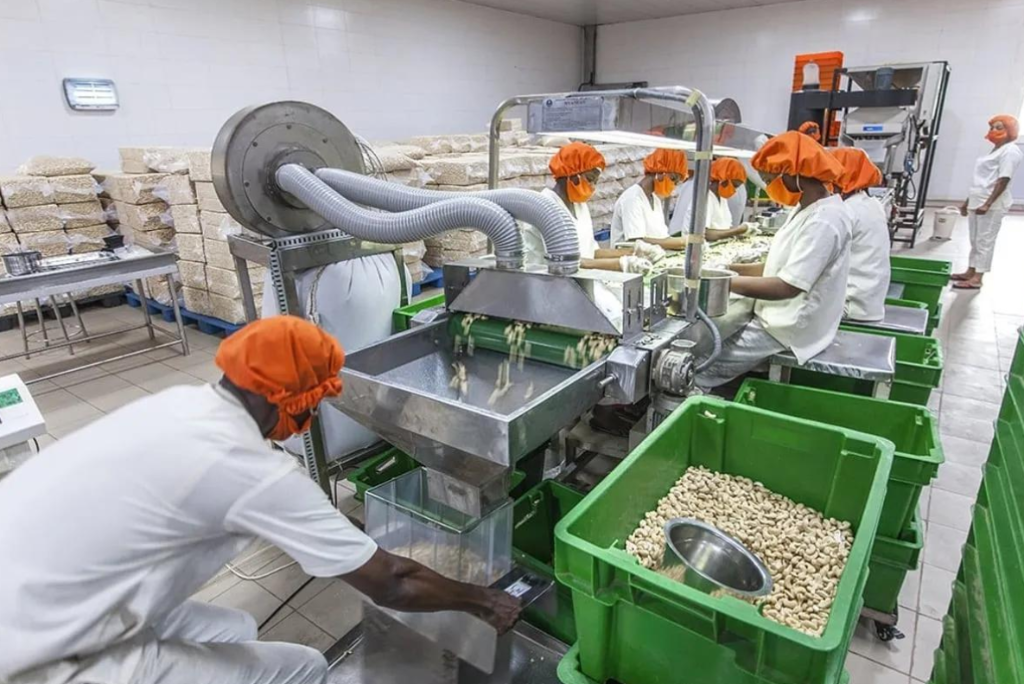
With real GDP growth hitting 8.2% in the first half of 2026, Benin has demonstrated remarkable economic resilience. This milestone raises a critical question: can the country sustain such momentum by transitioning from raw material exports to a diversified industrial base?
From agricultural exports to industrial transformation
The 8.2% growth figure, validated during an International Monetary Fund (IMF) assessment conducted from October 27 to November 6, 2026, marks a significant departure from Benin’s traditional economic model. While agriculture and natural resources remain foundational, the government’s strategy now prioritizes domestic processing and value addition. The goal? To capture a larger share of the economic value generated within national borders rather than exporting raw commodities at low margins.
How industrialization is reshaping Benin’s economy
This growth surge isn’t merely statistical—it reflects a deliberate shift toward structural economic transformation. By fostering local industries, Benin aims to:
- Reduce dependence on volatile global commodity markets
- Create high-value jobs through manufacturing and agro-processing
- Enhance national revenue streams through diversified exports
- Strengthen economic sovereignty by processing raw materials domestically
The push for industrialization is backed by investments in modern infrastructure, business environment reforms, and workforce training initiatives. These efforts are designed to attract private capital, streamline production chains, and position Benin as a competitive manufacturing hub in West Africa.
Glo-Djigbé Industrial Zone: the cornerstone of Benin’s industrial dream
The Glo-Djigbé Industrial Zone (GDIZ) stands as a testament to this transformation agenda. This flagship project is strategically positioned to:
- Develop value chains around cotton and other local agricultural products
- Manufacture finished goods for both domestic consumption and international markets
- Attract foreign direct investment by offering a world-class industrial ecosystem
- Generate employment opportunities in specialized sectors
The GDIZ’s success will hinge on its ability to integrate seamlessly with Benin’s broader economic infrastructure, including port facilities, logistics networks, and trade corridors.
Targeting global markets: Europe, China, and beyond
Benin’s industrial ambitions extend far beyond its borders. Government officials are actively pursuing trade opportunities in high-value markets, including:
- Europe: A gateway to premium agro-industrial products and manufactured goods
- China: A key partner for scaling textile production and technology transfer
- United States: A market for specialty food products and light manufacturing
Breaking into these markets requires strict adherence to international standards, robust supply chain management, and competitive pricing strategies. Benin’s ability to meet these demands will determine its success in transforming temporary surpluses into sustainable export revenue.
Navigating the roadblocks on the path to industrial dominance
Despite the promising trajectory, persistent challenges threaten to derail Benin’s industrial ambitions:
- Commodity price volatility: Fluctuating global prices for cotton, cashews, and other key exports could strain revenue projections.
- Regional security concerns: Instability in neighboring countries may disrupt trade flows and deter investment.
- Climate-related risks: Droughts, floods, and erratic weather patterns threaten agricultural output, which underpins many industrial inputs.
Overcoming these obstacles will require:
- Diversifying export baskets to reduce exposure to single-commodity risks
- Strengthening regional security partnerships to protect trade routes
- Investing in climate-resilient agricultural practices and renewable energy
The ultimate test: turning growth into lasting prosperity
The 8.2% growth milestone is just the beginning. For Benin to cement its place as a rising industrial powerhouse, policymakers must focus on:
- Job creation for youth and women: Channeling growth into inclusive employment opportunities
- SME development: Providing financing, training, and market access to local entrepreneurs
- Infrastructure upgrades: Modernizing ports, roads, and energy grids to support industrial scaling
The nation’s ability to balance rapid industrial expansion with equitable development will define whether this economic momentum translates into long-term prosperity. If successful, Benin could serve as a model for how African economies can evolve from raw material suppliers to high-value manufacturers on the global stage.