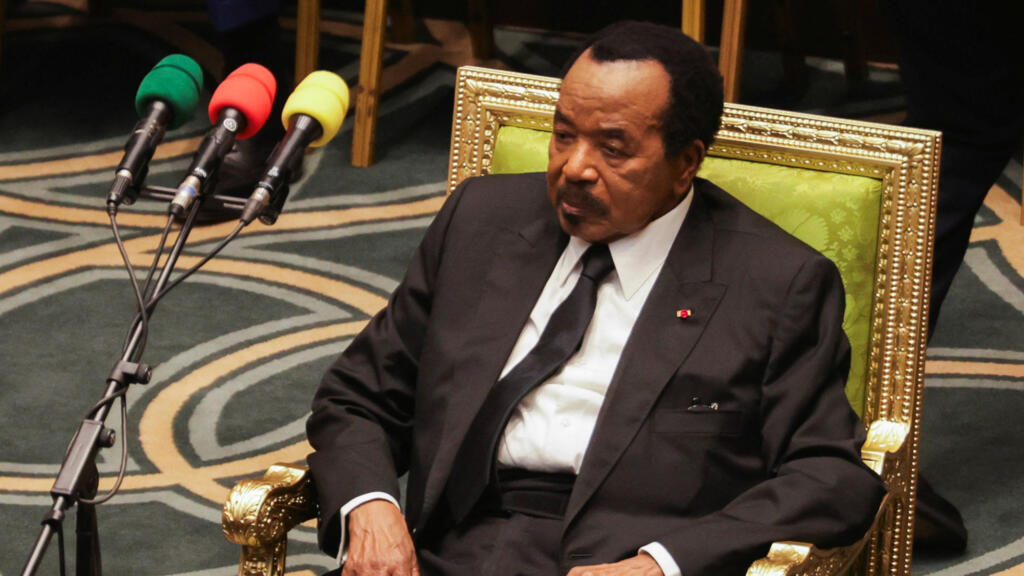
Cameroon has taken a significant step toward revitalizing its judicial system by appointing fourteen new members to the Supreme Council of the Judiciary. The move follows years of near-paralysis within the institution, which plays a crucial role in overseeing and regulating the legal framework of the country.
Announced on June 2, the nominations mark the beginning of a five-year mandate, a period widely anticipated by legal professionals across the nation. The council, chaired by the President of the Republic, has not convened for nearly six years, leaving a trail of administrative and operational stagnation in its wake. The reactivation of this body is expected to breathe new life into a system that has struggled to function effectively.
Long-awaited reforms breathe hope into Cameroon’s judicial sector
The prolonged inactivity of the council has had far-reaching consequences. Among the most pressing issues is the suspension of the integration of newly trained magistrates, leaving hundreds in limbo for years without the opportunity to practice. Additionally, the freeze on appointments for both magistrats du siège (judges) and magistrats du parquet (prosecutors) has stalled career advancements and disrupted the judicial hierarchy.
The appointment of these fourteen figures signals a potential turning point. Legal analysts suggest that this development could also hint at forthcoming changes in other key governmental positions, including the long-promised reshuffle of the cabinet—long awaited since its announcement six months ago—and the still-unfilled vice-presidency, a role created in April.
The timing of these appointments underscores the government’s commitment to addressing long-standing challenges in the judicial sector. As the council prepares to reconvene, stakeholders are hopeful that the renewed structure will restore efficiency and accountability within Cameroon’s legal system.