Gabon targets 7% growth by 2030 with bold economic plan
After years of economic stagnation, Gabon’s leadership is charting a new course. President Brice Clotaire Oligui Nguema has unveiled a sweeping strategy to break free from the country’s long-standing reliance on raw resource exports.
Decades of economic inertia have left Gabon with growth rates hovering below 5%, prompting the president to declare a decisive end to what he calls a « rentier economy » that has stifled progress.
Ending the resource curse
The president’s assessment is blunt: « Gabon’s economy has relied on exporting wealth without creating value or opportunities at home. Selling unprocessed oil and manganese is a losing strategy—it exports jobs instead of wealth. »
His administration is now prioritizing structural change through three key pillars:
- Local industrialization: Transforming raw materials into finished goods to retain value and generate employment.
- Economic diversification: Shifting focus to agriculture and service sectors to reduce dependence on extractive industries.
- Business environment reform: Implementing policies to attract investment and foster a competitive market.
A roadmap for transformation
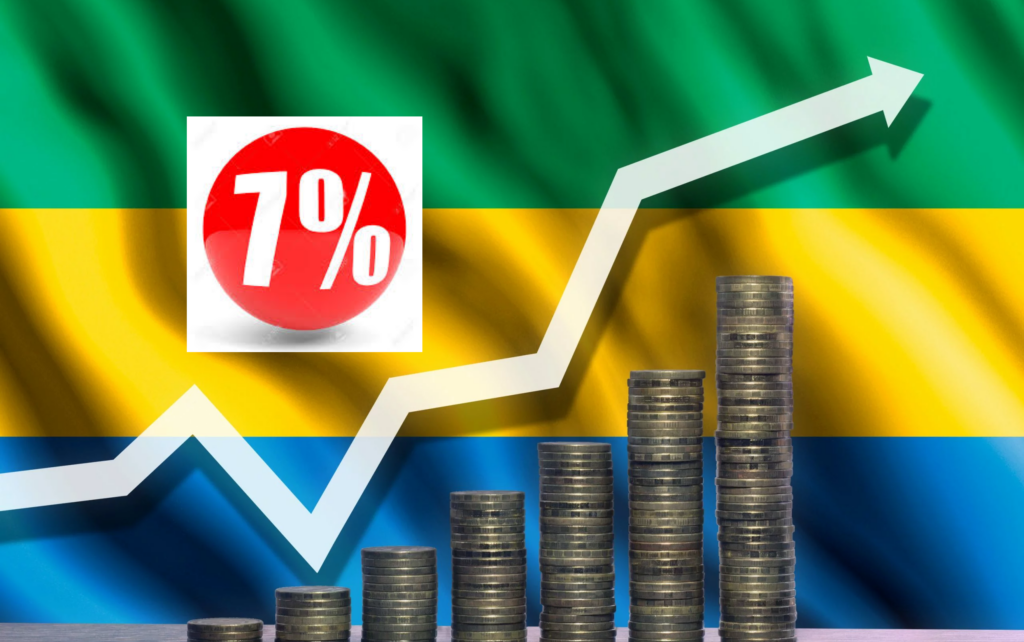
The centerpiece of this strategy is the National Growth and Development Plan (PNCD 2026-2030), designed to accelerate Gabon’s economic trajectory. The plan sets ambitious targets, aiming for growth rates between 6% and 7% annually by the end of the decade.
Key initiatives include:
- Expanding manganese processing to capture higher-value markets.
- Boosting poultry and cattle farming to enhance food security and exports.
- Accelerating digital infrastructure development to modernize the economy.
- Leveraging carbon markets to monetize Gabon’s vast forestry resources.
« Gabon possesses the natural resources and human potential. What it lacked was strong governance—and we are restoring it. »
The president’s vision links economic ambition with disciplined leadership, positioning Gabon as a rising force in Central Africa by 2030.