Escalating violence in the Democratic Republic of the Congo’s eastern provinces has intensified violations of international humanitarian law, with civilians bearing the brunt of unchecked hostilities. Despite repeated pledges from authorities and international partners, these breaches persist, prompting urgent calls for stricter enforcement and accountability.
On July 23, the International Committee of the Red Cross (ICRC) convened a high-level conference in Kinshasa to address the crisis. The gathering highlighted the widening gap between legal protections and their implementation on the ground, where armed groups operate with near-total impunity.
Civilian suffering amid legal neglect
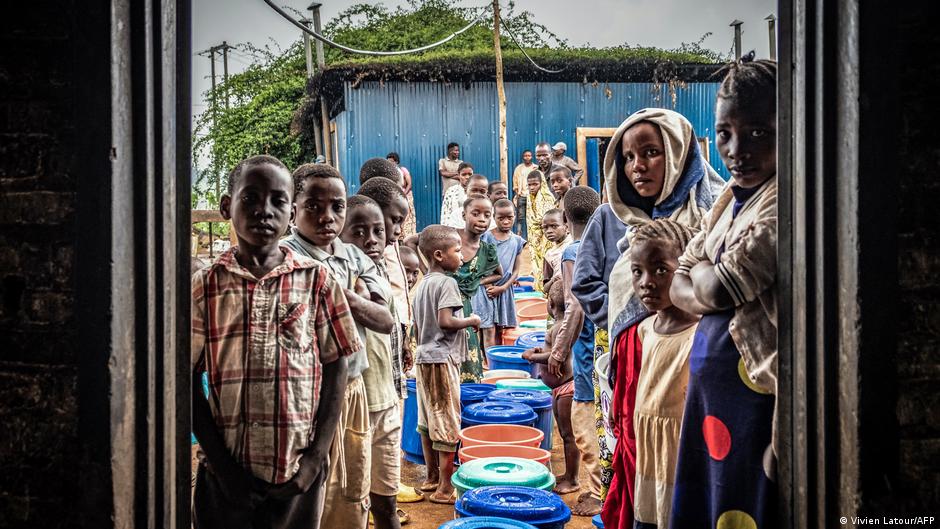
In conflict-affected regions such as North Kivu, South Kivu, Ituri, and parts of Tanganyika, the absence of clear boundaries between combatants and non-combatants has worsened civilian casualties. Human rights advocate Julienne Lusenge underscored the severity of sexual violence, stating that millions of women and children have endured such atrocities in recent years.
“Violence against women and girls remains a systemic weapon of war,” Lusenge emphasized. “Yet, global accountability for these crimes remains shockingly rare. International courts must prioritize prosecutions to break the cycle of impunity.”
Military justice steps up, but challenges persist
The Congolese military justice system has initiated proceedings against soldiers accused of human rights abuses, aiming to both punish offenders and deter future violations. General Jean-Paul Tshayikolo, a military magistrate, affirmed the judiciary’s commitment to transparency, noting that verdicts serve as educational tools for the broader armed forces.
“No system can guarantee zero impunity,” Tshayikolo acknowledged. “However, military courts have demonstrated a consistent track record of holding perpetrators accountable. Each ruling sends a message that violations will not go unpunished.”
Fragmented armed groups complicate justice efforts
With over 200 armed factions operating across eastern DRC, shifting alliances and decentralized command structures obstruct efforts to identify and prosecute violators. The fluid nature of these groups—often blending into civilian populations—further complicates investigations and legal proceedings.
The ICRC’s intervention comes amid a broader regional crisis, where humanitarian agencies struggle to deliver aid amid relentless fighting. Without stronger enforcement of international humanitarian law, the humanitarian toll in eastern DRC will continue to rise.