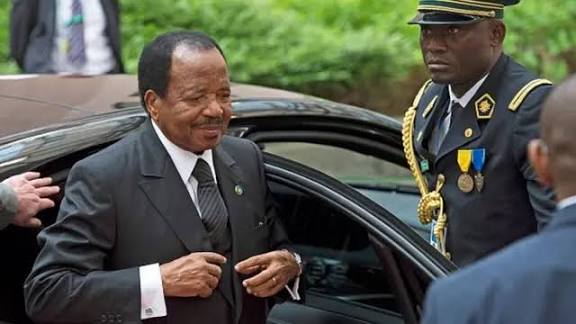
Cameroon’s president Paul Biya embarked on what was initially described as a « brief private visit to Europe » from Yaoundé on June 7, 2026. By August 10, 2026, his absence from the country had stretched to 64 days—an unprecedented duration that raises pressing questions about governance and national stability.
This prolonged stay abroad marks the longest recorded absence of a sitting president in Cameroon’s modern history, far exceeding typical diplomatic or medical trips. Analysts and citizens alike are questioning the implications of such an extended period away from the nation’s helm.
Governance in question: what happens when leadership is absent?
The president’s extended absence underscores concerns about the continuity of state functions. While official communications claim the trip is private, the duration and lack of transparency fuel debates about accountability and the functioning of institutions during his absence.
In Cameroon, presidential absences are not uncommon, but the current record-breaking duration has intensified scrutiny over who is effectively managing state affairs. Critics argue that prolonged absences without clear delegation of authority could undermine governance and public trust.
Public reaction and political implications
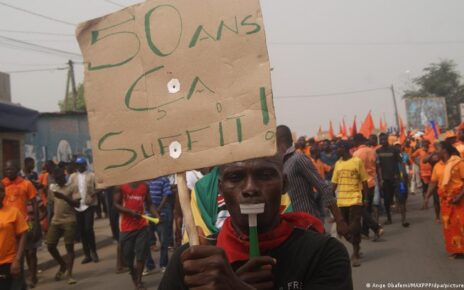
The news of Biya’s record absence has sparked mixed reactions. Supporters point to his long-standing experience and argue that occasional breaks are necessary for a leader of his age. Meanwhile, opposition figures and citizens express growing unease about the lack of visible leadership and decision-making at a time when the country faces pressing economic and security challenges.
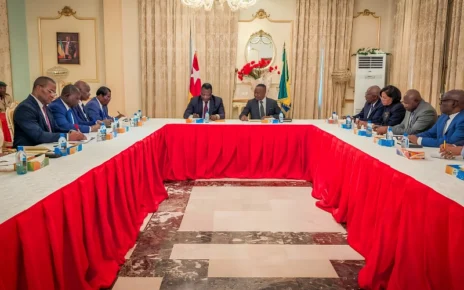
Questions also arise about the role of the vice president and other officials in maintaining governance. The absence of clear public updates on who is temporarily assuming key responsibilities has only deepened concerns.