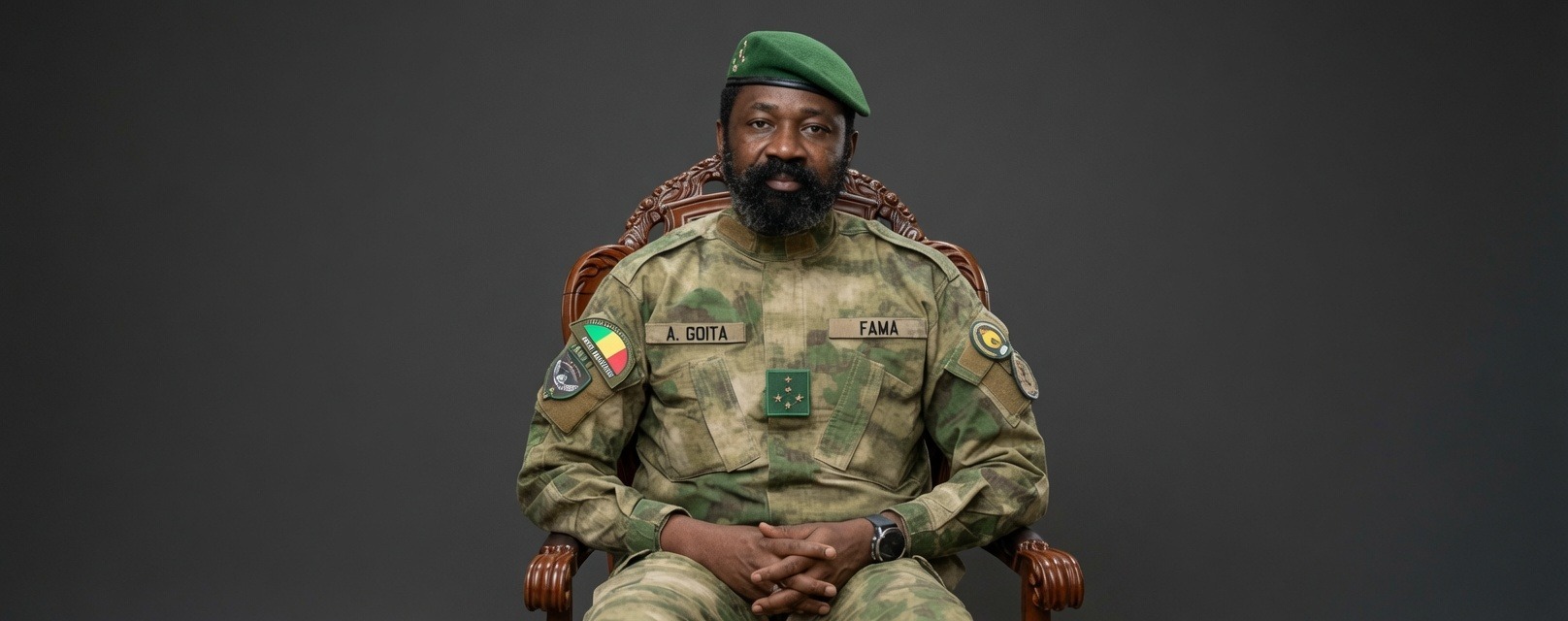
Can a brief but strategic intelligence summit thaw the frosty relations between Abidjan and Bamako? That question looms large as Vassiriki Traoré, Director-General of Côte d’Ivoire’s National Intelligence Agency, lands in Bamako on Thursday, October 15, 2026, invited by Mali’s intelligence chief, General Modibo Koné. With shared security threats escalating, the three-day dialogue could signal whether both nations will shelve political grievances in favor of deeper security collaboration.
Focus on intelligence cooperation
Traoré’s visit follows a formal request from General Koné, head of Mali’s State Security Directorate. Talks will zero in on exchanging critical intelligence, synchronizing surveillance tactics, and fortifying joint counter-terrorism initiatives between the two agencies.
While the agenda is tightly scoped, a successful outcome could unlock broader channels for restoring trust and streamlining day-to-day security exchanges between Abidjan and Bamako—ties that have frayed in recent years.
Decades of discord and diplomatic distance
The current chasm began widening after Mali’s military leadership assumed power in 2020, sparking sharp divergences over foreign policy stances, engagements with partners like France, and recurring security clashes. These friction points have steadily undermined once-cooperative efforts between the two governments.
A defining flashpoint emerged in July 2022, when Malian authorities detained 49 Ivorian soldiers on charges of mercenary activity. Bamako ultimately convicted the troops before granting them a pardon, while Abidjan insisted they were operating under a legitimate United Nations peacekeeping mandate.
Jihadist threats demand unified action
Despite their diplomatic rift, both nations face an identical menace: the relentless expansion of armed extremist groups across the Sahel. While Mali endures frequent, high-casualty attacks, Côte d’Ivoire remains vigilant along its northern frontier, where spillover violence from Malian conflict zones poses growing risks to border communities.
A more cohesive intelligence network—sharing real-time alerts, cross-border surveillance data, and coordinated threat assessments—could sharply reduce the risk of major incursions and disrupt terrorist planning cycles.
Pathway to renewed trust
Traoré’s Bamako trip is a litmus test for whether Abidjan and Bamako can prioritize existential security interests above lingering political disputes. Outcomes on intelligence sharing and joint counter-terrorism drills may set the tone for future negotiations, potentially reopening channels for broader bilateral cooperation down the road.
The ultimate question: Will this short but focused visit catalyze a lasting détente capable of outlasting today’s tensions?