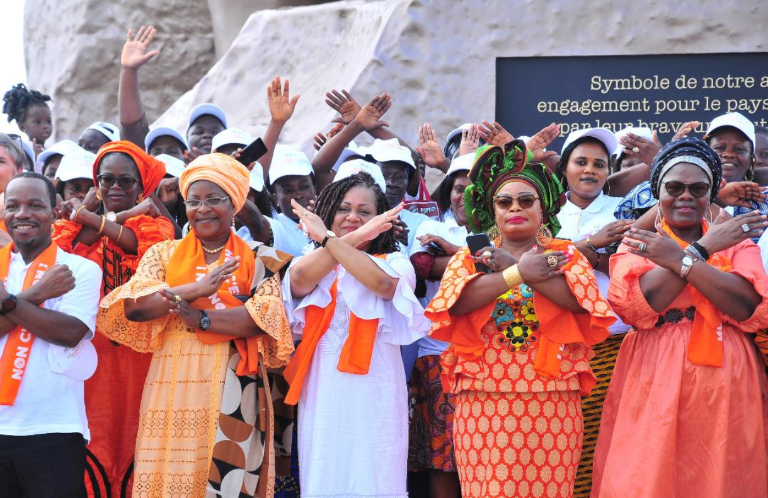
Why Benin’s latest move on women’s rights could be a game-changer
The government of Benin has taken a decisive step to strengthen the protection of women and girls by submitting a landmark African Union convention to parliament for ratification. This bold move, led by President Romuald Wadagni, signals a turning point in the country’s fight against gender-based violence and reflects a growing commitment to align national policies with continental standards.
What does this African Union convention really change?
The Convention on the Elimination of Violence Against Women and Girls, adopted in Addis Ababa in February 2025, is a legally binding instrument designed to address all forms of violence—whether physical, psychological, emotional, or digital. Unlike previous frameworks, this treaty recognizes that violence occurs not only in homes or public spaces but also in workplaces and online environments, where women and girls face rising threats such as cyber harassment, stalking, and reputational harm.
One of the convention’s most groundbreaking aspects is its refusal to accept cultural, religious, or traditional justifications for violence. It sends a clear message: no custom or belief can justify violating the rights and dignity of women and girls. This principle reinforces the idea that protecting human dignity must always come before social norms that perpetuate harm.
How Benin plans to adapt to new forms of violence
Benin’s decision to ratify this convention comes at a critical time. As digital spaces become more integrated into daily life, so do the risks of violence against women. Online abuse can follow victims beyond physical boundaries, affecting their careers, mental health, and social standing. By embracing the convention’s provisions, Benin is positioning itself to develop modern, comprehensive responses to these evolving threats.
The government has already begun strengthening its legal framework, but the real challenge lies in implementation. The convention demands more than just laws—it requires a cultural shift. This means fostering positive masculinity, educating communities, and ensuring survivors receive proper support and justice. The upcoming parliamentary vote will determine whether Benin can fully commit to these ambitious goals.
From political will to lasting impact: the road ahead
With the 25th of November marking the start of the 16 Days of Activism Against Gender-Based Violence, Benin’s move carries symbolic weight. Yet symbols alone won’t end violence. The government must now translate its promises into action by improving victim support services, enforcing laws, and launching nationwide awareness campaigns.
Minister of Family and Social Action Véronique Tognifodé has emphasized that ratification is just the beginning. “This is a crucial step, but it’s not enough,” she stated. “We must go further—preventing violence, protecting survivors, and reshaping attitudes across society.” Her words underscore a key truth: progress depends on collective effort, not just government action.
What’s at stake for Benin’s women and girls
The stakes couldn’t be higher. Every year, countless women and girls in Benin face violence that strips them of safety, dignity, and opportunity. By ratifying this convention, the country can join a continental movement dedicated to ending these injustices. But success will depend on whether these legal commitments lead to real change—where no woman or girl has to live in fear, and where justice is swift, accessible, and meaningful.
As Benin stands on the brink of a new era in women’s rights, the question remains: Will this legal milestone translate into tangible protection for those who need it most?