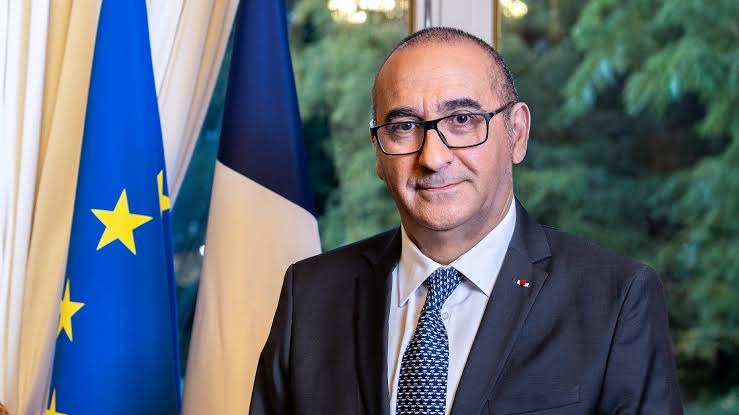
Why Emmanuel Macron chose to double down on Laurent Nuñez despite searing chaos
As France stared into the abyss of another explosive night—barricades smoldering in Lyon, storefronts shattered in Marseille, and rioters clashing with riot police in Nantes—Emmanuel Macron faced a defining choice. Should the government surrender to the chaos by accepting the resignation of Interior Minister Laurent Nuñez, or hold the line and demand a bold overhaul of how security forces respond to urban unrest? The president’s decision was swift and unyielding: Nuñez stays, but only under the condition that he transforms the ministry’s entire approach within days.
The fires burning across French cities on that Saturday night were not just physical; they exposed deep fractures in intelligence gathering, emergency response, and public order doctrine. In a rare public acknowledgment of systemic failure, Macron refused Nuñez’s resignation not out of loyalty, but out of necessity—to prevent a leadership void during a crisis that threatens to unravel public trust in the state.
From containment to confrontation: the urgent shift in security tactics
The old playbook—tactical retreats, slow escalation, and prolonged standoffs—has been replaced by a new directive: zero tolerance, zero delay. Interior Minister Laurent Nuñez has been ordered to dismantle the barricade-and-harass strategy that has long emboldened rioters. Instead, security forces must now neutralize threats at the first spark: blockades must be demolished within minutes, looting attempts foiled before they begin, and unrest nipped in the bud before it spreads.
This is not a cosmetic change. It’s a radical reimagining of how the state protects its citizens and its institutions. Intelligence units have been instructed to anticipate gatherings before they turn violent, not after. Communication protocols have been tightened to prevent misinformation from fueling further chaos. And crucially, officers on the ground have been given explicit orders to intervene decisively—even preemptively—when signs of organized violence appear.
But can this shift be executed fast enough to prevent the next wave of destruction? Or will the government’s delayed response to the intelligence failures of the past continue to haunt every deployment?
What really failed before the riots erupted?
The question haunting the Élysée is not whether the police were overwhelmed—it’s why they were so easily overwhelmed. Officials now admit that warnings from municipal authorities, community leaders, and even social media intelligence were ignored or diluted. The result? A security apparatus that was reactive at best, paralyzed at worst.
The president has demanded a full audit of the intelligence chain—from local precincts to national headquarters—with transparency as the cornerstone. Every missed signal, every delayed decision, every hesitation must be scrutinized. The goal is clear: to rebuild not just operational capacity, but public confidence in the state’s ability to protect its citizens.
Laurent Nuñez, now under the microscope of history, must deliver results within weeks, not months. Fail, and France risks another cycle of violence. Succeed, and he may yet redefine what it means to govern under pressure.
What’s at stake for France—and for Europe
The stakes are higher than the immediate damage. France is not just battling rioters—it’s battling a narrative of systemic failure. The world is watching as Europe’s second-largest economy grapples with a crisis that threatens to spill into neighboring countries. The outcome of this restructuring effort will shape not only Macron’s legacy, but Europe’s perception of its ability to maintain order in an era of rising unrest.
Can a nation that prides itself on liberty, equality, and fraternity afford to maintain a security doctrine that has repeatedly failed to protect its people? Or is this the moment to embrace a new era of decisive governance? The clock is ticking. The streets are waiting. And the Interior Minister’s mandate depends on one thing only: results.