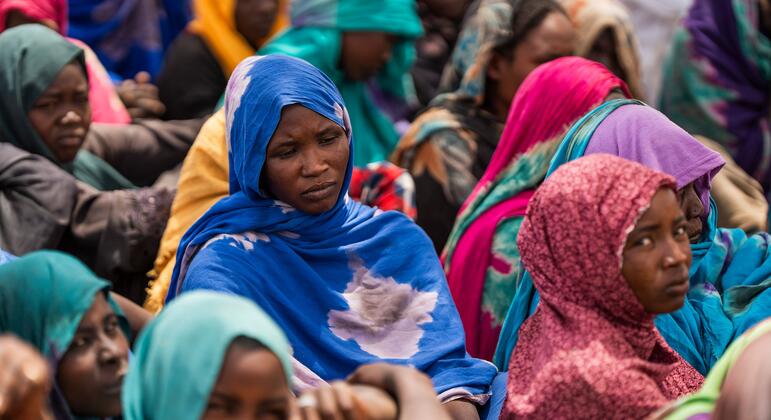
The Chad is grappling with a mounting humanitarian crisis as over 1.3 million refugees and returnees, predominantly women and children, seek shelter in a nation already strained by poverty and an underfunded healthcare system. This critical situation was highlighted during a recent mission by a senior United Nations official specializing in reproductive and sexual health.
Sudan’s conflict spills into Chad, intensifying risks for women and girls
During a week-long assessment in the eastern regions of Chad, the UN official, Andrew Saberton, Deputy Executive Director of the United Nations Population Fund (UNFPA), visited key areas including Abéché, Adré in the Ouaddaï Province, and the Iridimi refugee camp—located more than 1,000 kilometers from the capital, N’Djamena. His observations underscored the severe repercussions of the neighboring Sudan conflict on refugee women and girls.
In Adré, situated near the Sudan border, Saberton toured an UNFPA-supported center where refugee women shared harrowing accounts of violence they endure when leaving the camps to gather firewood. These women face constant threats of harassment, assault, and sexual violence, turning a routine task into a perilous ordeal. “Collecting firewood has become a moment of terror,” Saberton remarked, echoing the distressing testimonies collected from multiple camps.
Despite these adversities, the women demonstrate remarkable resilience, empowered by psychosocial support, vocational training, and income-generating initiatives offered at these centers.
Healthcare shortages compound the crisis for pregnant women
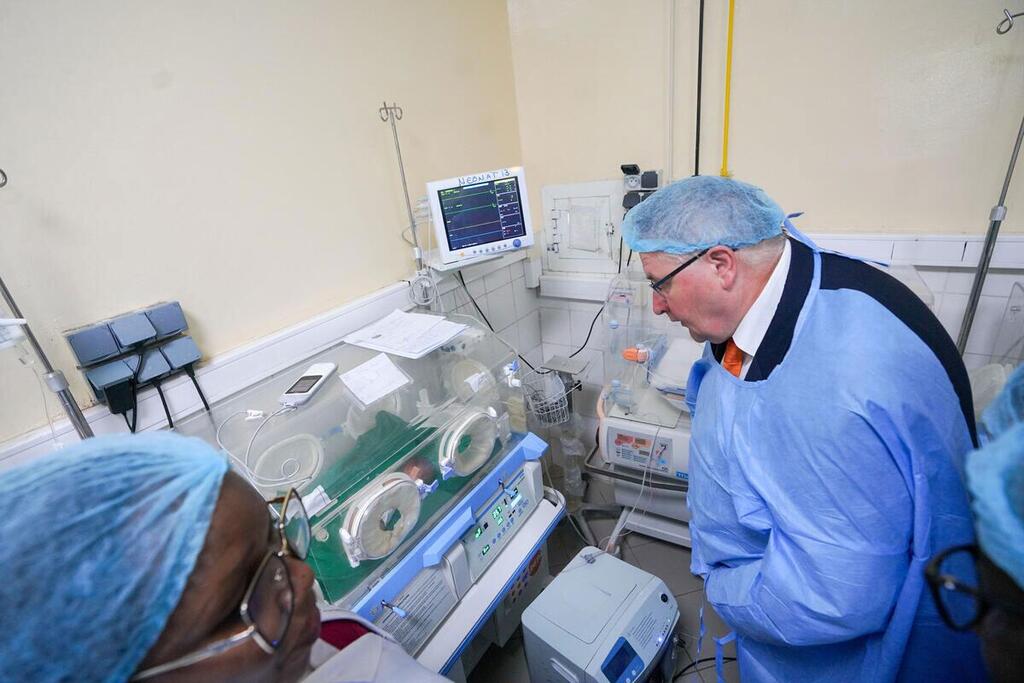
In the Wadi Fira Province, home to the Iridimi camp, healthcare facilities are overwhelmed by the continuous influx of refugees. Local authorities report over 333,000 refugees distributed across eight camps in the region. At the camp’s health center, midwives conduct up to 300 deliveries monthly, often under dire conditions.
Healthcare workers reveal that shortages of anesthetics sometimes prevent safe cesarean sections. “No woman should have to undergo a C-section without anesthesia,” Saberton emphasized. The situation is further exacerbated by a significant reduction in humanitarian funding. The UNFPA office in Chad has experienced a 44% decrease in resources compared to 2025, with only 2.5% of the $18.7 million requested for 2026 allocated to date.
The country already has one of the highest maternal mortality rates globally, with approximately 860 deaths per 100,000 live births. The UNFPA is urgently calling for international support to address these pressing needs. “For the women and girls in eastern Chad, assistance means safe childbirth, care after violence, and the chance to survive,” Saberton concluded.
Survivors of obstetric fistula face long-term struggles
Saberton also met a young survivor of obstetric fistula in Abéché. Married at just 15, she endured three days of labor without medical assistance during her first pregnancy, resulting in her baby’s death and her husband’s abandonment. For nearly a decade, she lived with this severe complication before finally receiving treatment. “She continues to face pressure to remarry,” Saberton noted, highlighting the ongoing struggles of survivors in such crises.
Urgent call for global support to protect women’s health in Chad
The dire conditions in eastern Chad underscore the critical need for sustained international aid. With maternal mortality rates among the highest worldwide and healthcare systems buckling under the strain, the situation demands immediate attention. The UNFPA and local authorities are appealing for increased funding and resources to ensure that women and girls receive the care and protection they desperately need.