The bustling capital of Dakar has become the epicenter of a critical economic discussion this week, as policymakers, economists, and civil society leaders convene to address Sénégal’s escalating debt burden. The International Conference on Debt, themed “From Crisis to Solutions: Rethinking Sénégal’s Debt and Moving Beyond Austerity”, underscores the urgency of exploring sustainable alternatives to the rigid fiscal frameworks imposed by international lenders.
This two-day forum brings together a diverse coalition of voices, including African economists, former government officials, and debt justice advocates, all united by a shared critique of the approaches championed by the International Monetary Fund (IMF) and other multilateral institutions.
Criticism of IMF policies and their global implications
Ndongo Samba Sylla, a prominent economist and regional director for International Development Economics Associates (Ideas), delivered a stark assessment of the IMF’s role in perpetuating debt traps across Africa. In his keynote address, he argued that the Fund’s structural adjustment programs—often framed as financial lifelines—actually deepen dependency and economic vulnerability.
“The IMF is not the solution; it is part of the problem. The Fund’s policies entrench external debt cycles, reinforcing a pro-creditor bias that serves the geopolitical interests of wealthy nations like the United States and France. The most indebted countries are typically allies of these powers, yet they remain trapped in cycles of austerity and underdevelopment. For Africa, the IMF will never be the answer.”
Regional solidarity as a pathway to debt relief
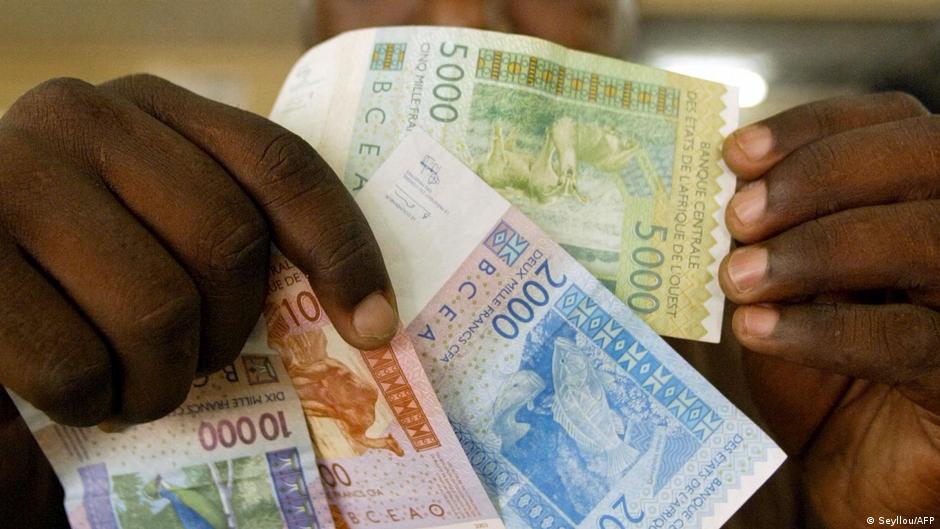
While Sylla highlighted the West African CFA franc as a structural obstacle to financial sovereignty, Alioune Tine, founder of the Afrikajom Center, urged a broader, pan-African approach to debt negotiations. He emphasized that debt crises cannot be resolved in isolation but require coordinated action among indebted nations to challenge unjust fiscal policies collectively.
“Debt management must transcend national borders. Only through unified resistance can African nations push back against austerity measures that cripple our economies and erode social progress. Sovereignty today demands solidarity.”
Uncovering hidden debt and pushing for cancellation
In late 2024, Prime Minister Ousmane Sonko exposed “hidden debts” and fiscal irregularities inherited from previous administrations, a revelation later corroborated by the IMF. Current estimates place Sénégal’s debt-to-GDP ratio at over **130%**, prompting calls for debt cancellation from voices like Sylla, who insists on the illegitimacy of such obligations.
“Illegal debts should never be honored. Even if repayment were mandatory, a functional central bank could manage obligations without strangling public finances. The priority must be economic recovery, not servicing predatory loans.”
Tine, however, cautioned against emotional responses, advocating instead for pragmatic, multilateral negotiations that account for global power imbalances. He stressed the need to move beyond outdated notions of isolationism, acknowledging that interdependence defines today’s economic landscape.
Parliamentary reforms to prevent future crises
The ruling Pastef-Les Patriotes party has outlined legislative measures to enhance fiscal transparency and parliamentary oversight of debt management. Ayib Daffé, leader of the party’s parliamentary group, outlined the urgency of these reforms:
“To prevent repetition of past mistakes, we must strengthen parliamentary control over debt and budget execution. Financial laws must adhere to principles of budgetary honesty, ensuring taxpayer funds are allocated with integrity and accountability.”
Meanwhile, President Bassirou Diomaye Faye met with Kristalina Georgieva, the IMF’s Managing Director, on the sidelines of the Africa-France Summit in Nairobi. The closed-door discussions focused on “exploring viable solutions for Sénégal’s prolonged economic crisis”, according to official statements.
As the debate in Dakar intensifies, one question looms large: can Sénégal and its African peers forge a new path—one rooted in economic justice, regional cooperation, and financial sovereignty—or will they remain shackled by the policies of the past?