IMF–Senegal talks: Debt management and economic reforms take center stage
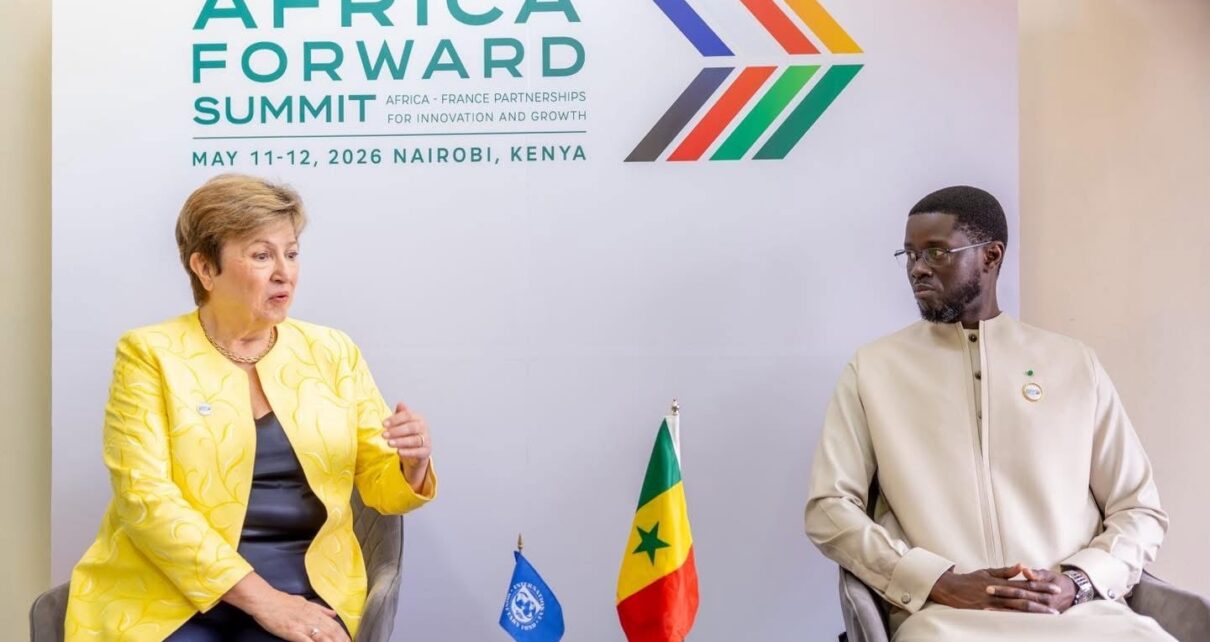
Kristalina Georgieva, Managing Director of the International Monetary Fund (IMF), engaged in critical discussions with Senegalese President Bassirou Diomaye Faye following a meeting on the sidelines of the Africa Forward Summit in Nairobi. The talks centered on debt sustainability and key economic reforms, though concrete progress on Senegal’s financial program remains pending amid ongoing global economic uncertainties.
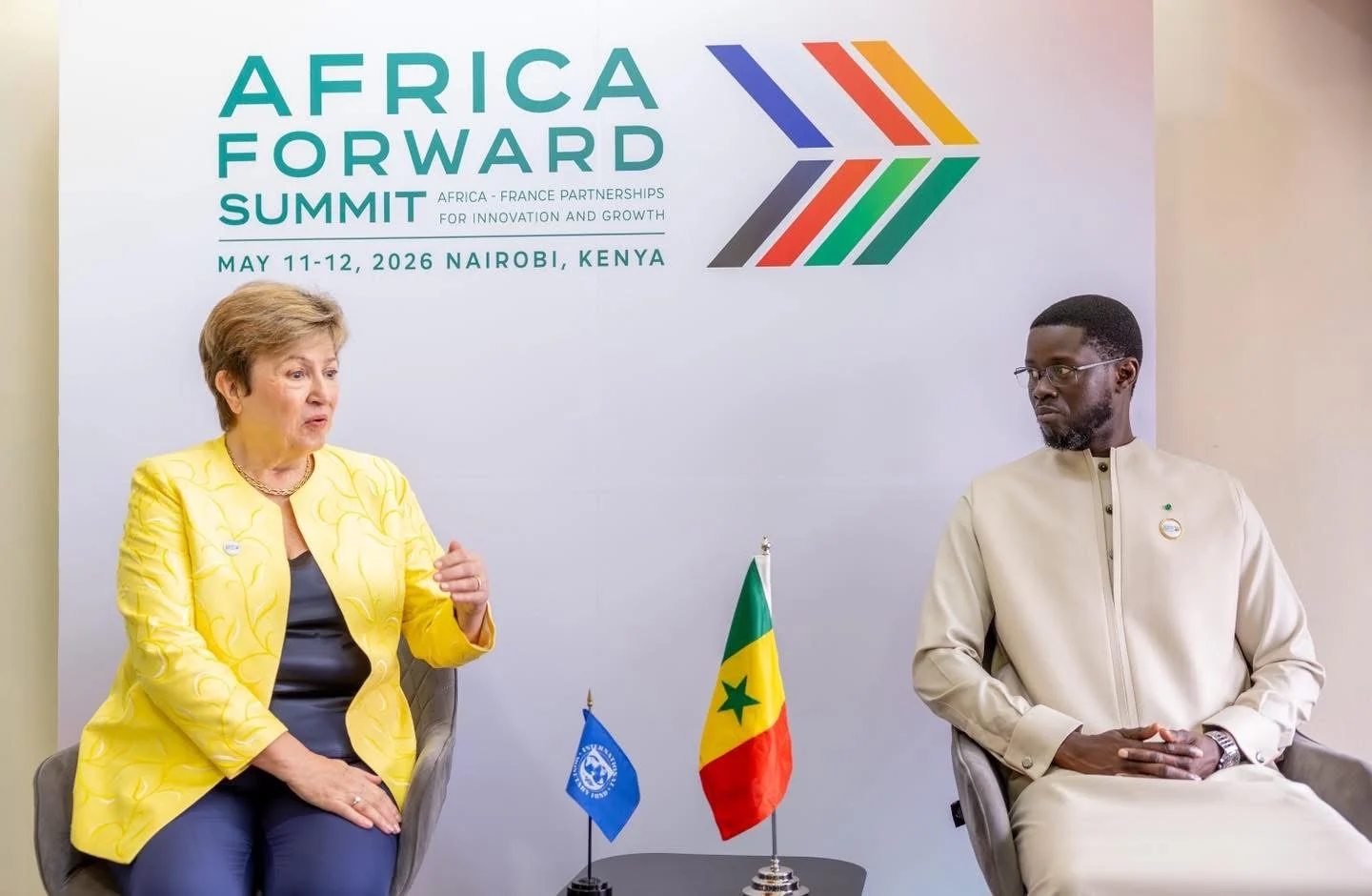
Key economic priorities highlighted in Senegal-IMF dialogue
Georgieva emphasized the importance of transparency and structural reforms in her post-meeting statement on social media. « We discussed Senegal’s reform priorities, debt management, and the critical role of transparency, » she noted, signaling the IMF’s focus on sustainable economic policies.
IMF’s stance on Senegal’s financial program
While reaffirming its commitment to supporting Senegal, the IMF has yet to finalize a new financial program requested by Dakar nearly two years ago. Previous comments from IMF officials, including Abebe Aemro Selassie, Director of the African Department, suggest that market volatility is complicating debt sustainability assessments for the country.
Selassie highlighted the need for cautious analysis amid unstable financial conditions: « The current market environment demands rigorous scrutiny of economic outlooks and debt access conditions. Rushing into irreversible decisions is not the optimal path. »
The IMF has opted to allow Senegal’s government additional time to develop a credible and sustainable economic strategy—one that avoids excessive austerity measures for citizens.
Senegal’s economic challenges and reform roadmap
The Senegalese administration faces the dual challenge of high debt levels inherited from previous governments and the urgent need to restore investor confidence. Selassie underscored the importance of crafting policies that balance fiscal responsibility with social equity: « The new authorities must prioritize defining the best options to address the country’s economic situation. »
With negotiations still underway, the IMF’s approach reflects a preference for thorough deliberation over hasty commitments, ensuring any program aligns with Senegal’s long-term stability.