Dengue fever outbreak strikes Mali: what you need to know
Mali faces a growing dengue fever crisis as health authorities report confirmed cases in Bamako and surrounding regions, highlighting the need for urgent prevention measures.
Understanding the dengue threat in Mali
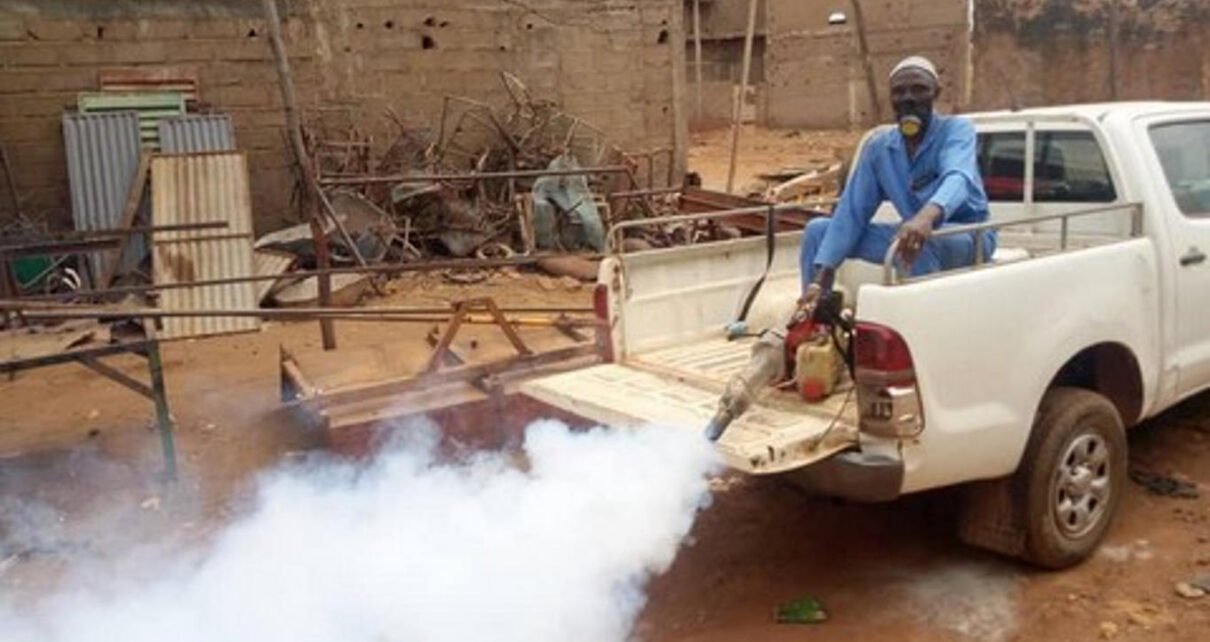
Dengue fever, a mosquito-borne viral infection, has been detected in Mali with 12 confirmed cases reported in Bamako and the districts of Kalaban Coro and Koulikoro. Health officials warn that this mosquito-transmitted disease often goes undiagnosed due to symptoms that closely resemble those of malaria. Kalif Keita, Deputy Director General of Public Health and Hygiene, notes that “adults and men represent the majority of cases.”
This isn’t Mali’s first encounter with dengue. The disease was first identified in 2008, with subsequent outbreaks in 2017 and 2019. The recent surge in Burkina Faso has prompted Malian authorities to intensify surveillance, though comprehensive data on dengue epidemics remains scarce across Africa due to diagnostic limitations and symptom overlap with other illnesses like malaria.
Historical context and current response
Dengue in West Africa presents an ongoing challenge. Mali’s health system, already strained by other health priorities, must now contend with this viral threat. The World Health Organization (WHO) emphasizes that dengue prevention requires a multi-faceted approach combining mosquito control, community awareness, and strengthened healthcare infrastructure.
- First detection: 2008 in Mali
- Subsequent outbreaks: 2017, 2019
- Current cases: 12 confirmed in Bamako and nearby districts
- High-risk groups: Adults and men most affected
Essential prevention strategies
With no specific treatment for dengue, prevention becomes crucial. Health experts recommend:
- Mosquito bite prevention: Use insect repellent containing DEET, wear long sleeves during dawn and dusk hours
- Environmental control: Eliminate standing water sources where mosquitoes breed
- Community efforts: Support local vector control programs
- Travel precautions: Those visiting or returning from affected areas should monitor symptoms for 14 days
The current situation demands heightened vigilance from both residents and travelers to Mali. Early detection through improved diagnostic capabilities could significantly reduce the disease’s impact on public health.