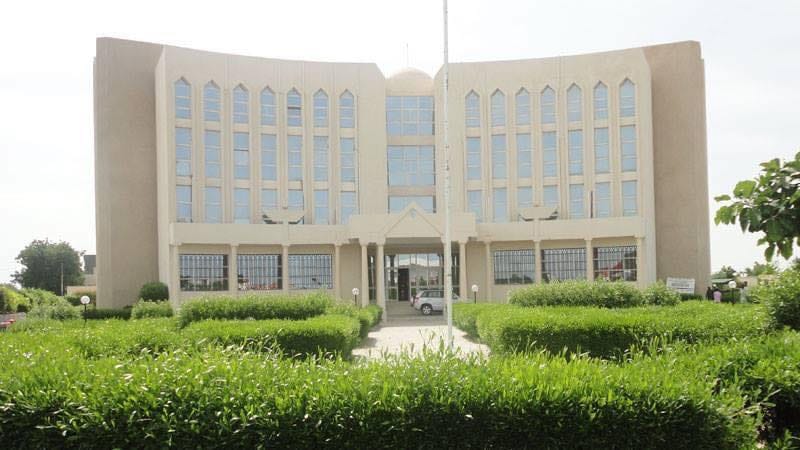
The trial of Chad’s prominent opposition figure Succès Masra has kicked off at the Supreme Court, marked by tight security measures and the absence of the defendant himself. Journalists covering the proceedings were promptly removed from the premises, while security forces—including police, gendarmes, and nomadic guards—maintained a heavy presence around the courthouse and surrounding access routes.
A tense standoff unfolded as local and international reporters were ordered to leave the area. The head of the National Human Rights Commission was denied entry by the commander of the nomadic guard unit. Meanwhile, the court session proceeded with Masra’s legal team engaging directly with the presiding judge of the Supreme Court, despite the opposition leader’s physical absence.
Security clampdown surrounds high-profile case
N’Djamena’s judicial district has been locked down as proceedings begin. The deployment of security personnel extends beyond the courtroom, with checkpoints established at key intersections to control access. Authorities cited public order concerns as justification for the extraordinary measures, though critics argue the restrictions aim to limit scrutiny of the politically sensitive trial.
Legal showdown begins without the defendant
While Succès Masra remains outside the courtroom, his defense attorneys have taken the lead in presenting their arguments. The confrontation marks a pivotal moment in Chad’s ongoing political landscape, with the opposition leader’s absence underscoring the high stakes of the legal battle. Observers note that the trial’s outcome could reshape the country’s power dynamics ahead of upcoming elections.